“We get what we pay for, and sometimes we pay for what we get.”

“We get what we pay for, and sometimes we pay for what we get.”

—Seth Godin, American Author

Image from Unsplash by Christian Wiediger

In January, we experienced a considerable snow storm. While shoveling the eight inches of wet, heavy stuff from my driveway, I saw very few vehicles trying to navigate the roads, other than Amazon Prime vans. They seemed to be everywhere, delivering what we conveniently pay for sitting at our computers or other digital device.

What is this instant gratification approach to getting what we want costing us? In what ways may it be impacting our self-centeredness, impatience, clutter, and the emotional roller coaster of debt?

EXERCISE:

Where and how would taking a “the best things in life are free” approach to living help you get far more out of life?
“I wish you way more than luck.”

“I wish you way more than luck.”

—David Foster Wallace, late American writer and university professor

Image from Unsplash by George Pagan III

Eliyahu Goldratt has a provocative quote about luck that has a bit more meat on the bone. It states: Good luck is when opportunity meets preparation, while bad luck is when lack of preparation meets reality.

Who hasn’t, from time to time, wished others good luck on some personal or professional objective?

Being nice, courteous, polite, and positive seems like a good thing to do but how much of a difference does it actually make?

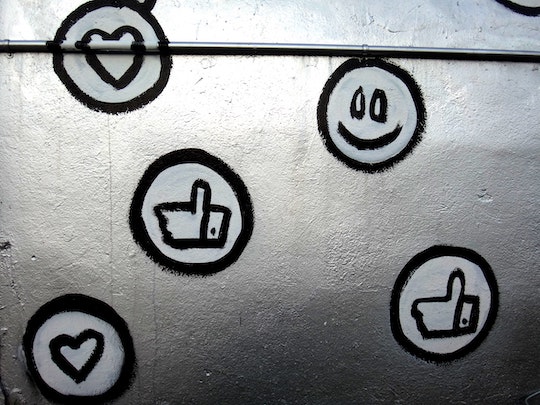
Similarly, how much of an impact does liking or retweeting a social media post have?

EXERCISE:

What does wishing someone more than luck look like to you? How might it include supporting someone’s preparedness, or foster greater opportunities for those you wish to support?

Feel free to reply to this post to share your perspective.