“When we know our tendencies, we can account for them. Tendencies aren’t flaws to overcome; they’re patterns to work with.”
 Image from Amazon
We spend too much energy trying to fix ourselves. What if nothing is broken?
When we understand our tendencies — how we react, decide, hesitate, or push — we gain leverage. Patterns become information, not judgement.
If you know you rush decisions when excited, you can pause. If you withdraw under stress, you can reach out sooner.
This isn’t about self-criticism — it’s about self-awareness.
Growth doesn’t come from fighting who you are, but from working skillfully with it.
The goal isn’t perfection, it’s alignment using your natural wiring as a guide instead of an obstacle.
When you honor your tendencies, you reduce friction and build consistency. Progress feels less forced and more sustainable, turning everyday awareness into lasting change over time.
EXERCISE:
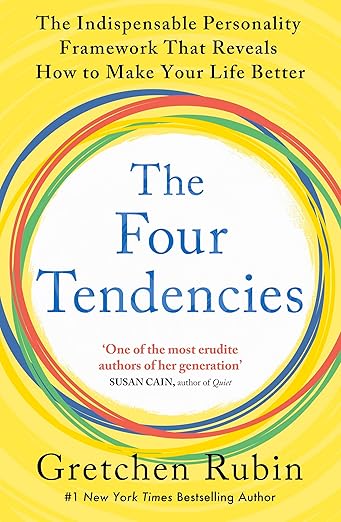
Consider reading the book The Four Tendencies by Gretchen Rubin. In it she explains that people tend to fall into one of four patterns: Upholder, Questioner, Obliger, or Rebel, based on how they respond to inner or outer expectations.
The book shows that understanding these tendencies helps us work with human behavior more effectively, both in ourselves and in others.
 “Your best teacher is your last mistake.”
 “What we learn to do shapes how we learn to think.”
 “Change is the end result of all true learning.”