“He that can have patience can have what he will.”

“He that can have patience can have what he will.”

Benjamin Franklin, Inventor, Thinker, and Founding Father

Image from Unsplash by Ümit Bulut

Patience is often mistaken for passivity, but it is actually a quiet form of strength.

It is the discipline to stay steady when results are slow, to trust the process when life feels uncertain, and to keep moving without demanding instant proof.

Many dreams fail not because they are impossible, but because people abandon them too early.

Patience gives purpose time to mature.

It deepens character, sharpens judgement, and protects us from impulsive choices that can undo progress.

In a world obsessed with speed, patience is a powerful advantage:

It reminds us that what is truly worth having is often worth waiting for.

EXERCISE:

Adjust your expectations and align your mental timeline with reality.

Try assuming tasks, commutes, and projects that will take twice as long. Accept friction and expect that people, technology and plans will occasionally fail. Focus on progress and learn to value the steps of a project rather than just the outcome.

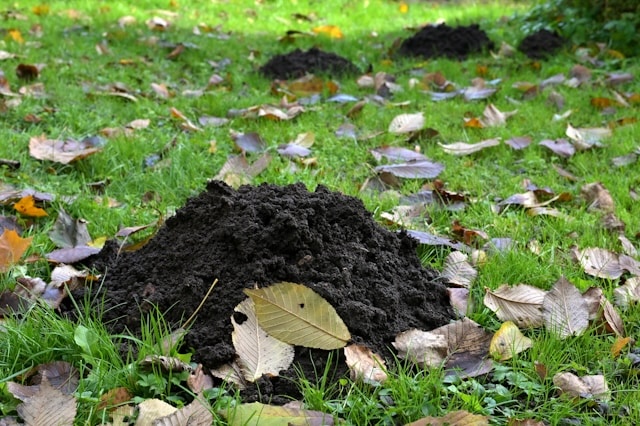
Climbing mountains and molehills are both pathways of achievement

Climbing mountains and molehills are both pathways of achievement.

—Calm App Reflection

Image from Unsplash by Andres Simon

Some chase mountain peaks that scrape the sky. Others tackle the tiny molehills that pop up in everyday life.

In truth, both climbs matter.

A mountain tests stamina and courage while a molehill tests patience and perseverance.

Each step — whether over rock or routine builds strength, resilience, and a quiet sense of pride. Sometimes, scaling a pile of laundry, or finishing a tough email feels as triumphant as reaching the summit of Mt. Everest.

The real magic isn’t in the size of the climb but in the will to rise.

So, celebrate every ascent, big or small. After all, achievement isn’t always measured in altitude – it’s found in attitude!

EXERCISE:

Each day, write down one “mountain” challenge and two “molehill” tasks. At the end of the week, reflect on how both types of victories made you grow and built your motivation for the days and weeks ahead.

Progress isn’t necessarily a fast friend

Progress isn’t necessarily a fast friend.

Stephen St. Amant, Author of the Savenwood Blog

Image from Unsplash by Jon Tyson

We glorify speed — quick fixes, overnight success,10x results — but real progress rarely rides that wave.

It’s slower, more deliberate, sometimes painfully patient. Progress whispers instead of shouts, testing how deeply you want the chance you claim what you chase.

The trouble is, we mistake velocity for value and activity for achievement.

But some of the most profound transformations — healing a relationship, reshaping a belief, rebuilding strength —move at the speed of trust and truth.

Progress isn’t a fast friend: it’s the one who stays after the crowd leaves, reminding you that growth doesn’t have to dazzle, it just simply must endure.

EXERCISE:

What areas of your life require greater patience, self-confrontation, and a willingness to crawl when your ego wants to fly?

Where in your world could you pursue greater wisdom through seasons not seconds?

Bolts of lightning rarely change the world

“Bolts of lightning rarely change the world, but erosion does.”

Seth Godin, American author, marketing expert, entrepreneur

Image from Unsplash by Micah Tindell

Far too many of us fantasize about the big breakthrough, the viral post, the overnight success that “fixes” everything.

Meanwhile, the real magic is happening in the quiet, unsexy moments we keep overlooking.

  • It’s the daily walk when the couch or covers are calling
  • The honest conversation when silence would be easier
  • The extra rep, the kind work, the tiny risk you take today

These acts don’t look heroic, but they slowly carve new canyons in your life.

One small cut at a time, your habits are either sculpting your future or eroding it.

So, stop waiting for lightning! Be “erosion,” persistence, patience, impossible to ignore.

EXERCISE:

Three top resources that center on consistency, persistence, and building positive habits are Atomic Habits by James Clear, The Power of Habit by Charles Duhigg, and The Compound Effect by Darren Hardy.

Not every half-baked idea deserves tossing

“Not every half-baked idea deserves tossing. Some just need more time in the oven.”

Stephen St. Amant, author of the Savenwood Blog

Image from Unsplash by Alex Lam

Not every half-baked idea deserves tossing. Some just need more time in your ideation oven, and Voila! – they are golden!

Think of your wild notions like a tray of cookies: sometimes the gooey middle turns exactly right with a little patience.

Instead of abandoning an idea for being “underdone” give it a chance to rise, reshape, and surprise you.

History is full of quirky inventions and creative projects that started half-formed, but a dash of persistence helped them become something special.

If a notion keeps popping into your mind, don’t be shy — stick it back in the oven and let inspiration do its slow-cooking magic.

You might end up with a creative treat that delights everyone!

EXERCISE:

To test which of your ideas deserve more time in the oven, try to summarize your idea in one clear sentence. If you can’t, it might need more focus or rethinking.

It’s easy to recognize the ups and downs of life

It’s easy to recognize the ups and downs of life. Learning to love the plateaus in our world takes a bit more practice and patience.

—Calm App Reflection

Image from Unsplash by Neo Ngoc Khan Huyen

It’s easy to notice life’s highs and lows: the wins we celebrate, the losses we mourn. These peaks and valleys grab our attention, stir our emotions, and often become the stories we tell.

But what about the plateaus — those stretches of calm, routine, and steady progress?

We often overlook these quieter moments, mistaking them for stagnation or boredom. Yet plateaus can be powerful.

They offer us time for rest, reflection, and integration. They give us gaps in our lives to consolidate our gains and prepare for what’s next.

Learning to love the plateaus takes mindfulness, patience, and trust. It means embracing the idea that growth isn’t always dramatic — sometimes it’s subtle, internal, and slow.

EXERCISE:

Today, notice your own plateau moments and ask yourself: What quiet lessons are waiting for me to receive and appreciate?

Friday Review: Patience

Friday Review: Patience

How would you rate your level of patience on a scale of 1-10, with 10 being the highest? Here are a few related posts you may have missed.


“From the errors of others, a wise man corrects his own.”


“My experience of life is what I agree to attend to.”


“You can only untie one knot at a time.”


Your mind will answer most questions if you learn to relax and wait for the answer.

“Your mind will answer most questions if you learn to relax and wait for the answer.”

William S. Burroughs, 20th Century American writer and visual artist

Image from Unsplash by Drew Coffman

Many people treat life decisions like a game show.

When posed with a critical question, they feel that they must buzz in with an immediate answer. If these answers aren’t instantly available, they often give up and move on to some easier ones.

Rarely does operating this way result in any significant insight or growth.

Taking our time and patiently wrestling with our more challenging issues is a proven method of building our mental muscles and resilience.

EXERCISE:

Where would a more relaxed and patient approach to life’s questions offer you more and better answers to the significant issues facing you?

Bring patience to your path. See each step as progress and move forward at your own pace.

Bring patience to your path. See each step as progress and move forward at your own pace.

—Calm App Reflection

Image from Unsplash by Tamara Manzi

Many people operate at a fast pace in almost everything they do these days.

How fast do you talk, walk, eat, and drive?

What are some of the benefits of moving in the fast lane?

What are the negative consequences of always being in a hurry?

For many of us, our pace is ingrained and set on auto pilot with only modest awareness.

How might a slower and more patient pace of living offer hidden benefits?

Where would a steady as she goes approach help you arrive more safely and sanely to your desired destinations?

EXERCISE:

Where in your life would a slow is smooth and smooth is fast approach make the biggest difference?

Where can and will you bring greater patience to your path beginning today?