When we know our tendencies, we can account for them

“When we know our tendencies, we can account for them. Tendencies aren’t flaws to overcome; they’re patterns to work with.”

Stephen St Amant, Author of the Savenwood Blog

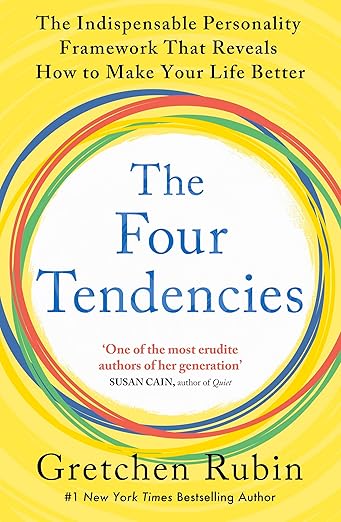
Image from Amazon 

We spend too much energy trying to fix ourselves. What if nothing is broken?

When we understand our tendencies — how we react, decide, hesitate, or push — we gain leverage. Patterns become information, not judgement.

If you know you rush decisions when excited, you can pause. If you withdraw under stress, you can reach out sooner.

This isn’t about self-criticism — it’s about self-awareness.

Growth doesn’t come from fighting who you are, but from working skillfully with it.

The goal isn’t perfection, it’s alignment using your natural wiring as a guide instead of an obstacle.

When you honor your tendencies, you reduce friction and build consistency. Progress feels less forced and more sustainable, turning everyday awareness into lasting change over time.

EXERCISE:

Consider reading the book The Four Tendencies by Gretchen Rubin. In it she explains that people tend to fall into one of four patterns: Upholder, Questioner, Obliger, or Rebel, based on how they respond to inner or outer expectations.

The book shows that understanding these tendencies helps us work with human behavior more effectively, both in ourselves and in others.

There’s a lesson in every interaction

“There’s a lesson in every interaction, if we want there to be.”

Seth Godin,  American author, marketing expert, entrepreneur

Image from Unsplash by Vince Fleming

Each exchange — a casual chat, a heated argument, a polite nod — is a classroom if you’re bold enough to enroll.

Most people coast through conversations collecting validation, not wisdom. But what if you treated every interaction as a mirror, a test, or a gift?

That annoying colleague might be teaching patience.

That quiet stranger might be modeling presence.

Every moment becomes richer when you ask, “What can I learn here?” instead of “What’s in it for me?”

The world never stops offering hints about who you are, how you lead, and how you love.

The only question is: Are you listening closely enough to catch the lesson before it disappears?

EXERCISE:

When someone in your life irritates you, pause and ask: What is this reaction teaching me?

This question reframes discomfort into a growth opportunity, showing where your patience, ego, or compassion could evolve.