“Being a nice person can be an effective strategy.”
—Eric Barker, Author of BARKING UP THE WRONG TREE
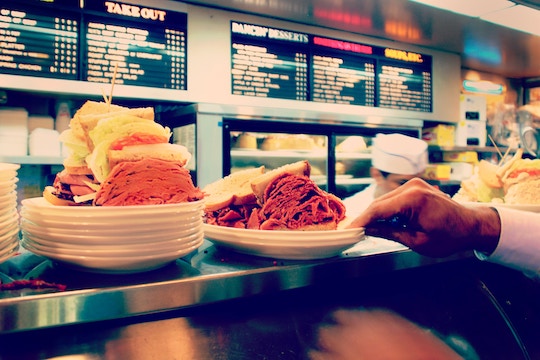
Image from Unsplash by Tim Mossholder
During my senior year of high school I worked as a Deli-man at the local Jewish delicatessen. My responsibilities included serving a high volume of customers delicacies such as pastrami, corned beef, and smoked fish for Sunday brunch, from 3pm Saturday to 3am Sunday.
I was 18 years old. The majority of the other deli-men were in their fifties or sixties. It turned out that being able to slice lox razor-thin was paramount to being a brain surgeon in this community, and these veterans were simply the best.
One downside of this work was the significant number of challenging customers who saw themselves as superior to everyone else, and demanded “only the best.”
When those customers entered the store, most of the veteran deli staff quickly took their 30-minute breaks, leaving ME to the wolves, and most of these customers strongly objected to an 18-year-old rookie taking care of them.
Clearly, fighting fire with fire was never going to work, so I took the kill them with kindness approach, and in time, won them over.
EXERCISE:
Where and with whom in your personal or professional communities would being the nice person you are be the best strategy to follow?