The intent we ascribe to a person is the lens through which we view their actions

“The intent we ascribe to a person is the lens through which we view their actions.”

Rohan Rajiv, Author of A Learning a Day Blog

Image from Unsplash by Jacob Mejicanos

Intent is the quiet narrator behind every interaction, yet we often cast it without evidence.

When someone cuts us off in traffic, we might assume arrogance.

When a friend goes silent, we might read indifference.

But what if our assumptions say more about our fears than their motives?

The intent we assign becomes the lens that sharpens or distorts reality, turning neutral moments into slights or kindness into suspicion.

Choosing curiosity over certainty does not excuse harm, but it widens perspective.

Ask: What else could be true? In that question lies space for empathy, better conversations, and fewer unnecessary battles.

Notice how quickly a story forms, and how gently it can change when we look again with greater care.

EXERCISE:

The next time something bothers you, pause and produce three explanations: one generous, one neutral, and one negative.

Notice how these shifts in interpretation can soften your reactions and open better communications.
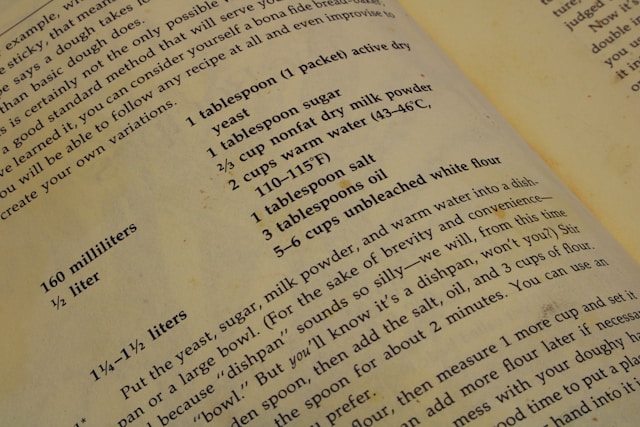

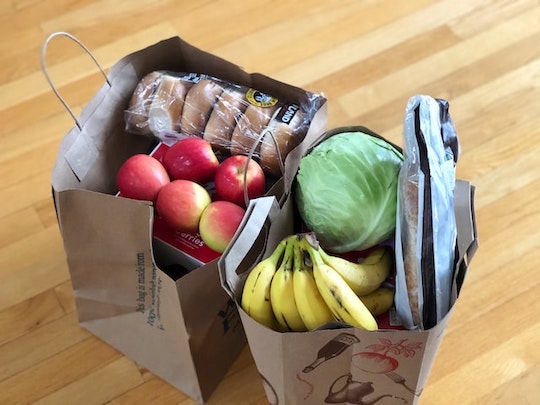
What is your list of ingredients and recipe for a delicious life?

What is your list of ingredients and recipe for a delicious life?

—Calm App Reflection

Image from Unsplash by James Lee

Consider beginning your recipe with intention: a daily choice to live on purpose.

Add curiosity, because growth keeps the spirit young.

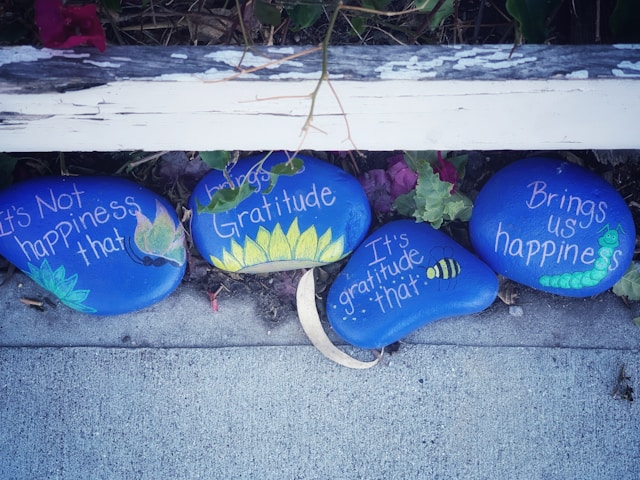
Stir in gratitude, the quiet force that turns enough into abundance.

Fold in movement and nourishment, honoring the body as a lifelong partner.

Season generously with connection since love multiplies meaning.

Finally, practice courage, the heat that transforms fear into action.

Simmer all of these with patience and reflection.

Taste often, adjust gently, and share freely, because a truly delicious life is one that nourishes others as much as it satisfies you through small choices that quietly shape your life and legacy over time.

EXERCISE:

Write your own blog post answering today’s question.

Display it for yourself and consider sending it to the important people in your communities to rally support for the delicious life you plan to share with the world.

“Life works better when you know the facts”

“Life works better when you know the facts”

Niklas Göke — Author of 2-Minute Pep Talks & The 4 Minute Millionaire

Image from Unsplash by Chris

Nik Göke’s insight —“Life Works Better When You Know the Facts” – unveils practical truths for intentional living.

Here are five key points he emphasizes:

  1. Embrace I don’t know: Facts start with admitting ignorance, sparking empowerment over defeat.
  2. Self-Inquiry solves most challenges: sitting with yourself reveals inner truths, cutting through external noise.
  3. Truth is what you choose to believe: select empowering facts about yourself, freeing your mind from illusion.
  4. Perspective shifts first: changing views on facts is tough but essential before any action.
  5. Facts demand action: Know them via experiment and feedback- stagnation dies, clarity fuels progress.

EXERCISE:

To learn more about Nik Göke’s work and wisdom please check out his website at https://nik.art/books/, in which he features daily essays, stories for “dreamers, doers, and unbroken optimists,” and a free email subscription for new insights.

Who sets your agenda?

Who sets your agenda?

—Question from a Seth Godin post

Image from Unsplash by engine akyurt

Every day, someone or something is competing to program your mind — emails, social media, expectations, and the endless noise of “urgent” demands.

Pause and ask: Who really decides where your attention goes? When others set your agenda, you surrender the very power that defines your life.

Leadership starts with self-ownership — choosing what matters most and acting from intention, not reaction.

Imagine how different your week would look if you curated it instead of consuming it.

Freedom isn’t found in more time; it’s found in claiming your focus.

Reclaim your agenda. Make it your declaration of purpose, not a to-do list written by someone else.

EXERCISE:

Instead of me offering you a specific exercise here, create one of your own to set the course of your day and all your tomorrows to come.

We’re not just observers, we’re participants — co-creators of tomorrow.

“We’re not just observers, we’re participants — co-creators of tomorrow.”

Stephen St. Amant, Author of the Savenwood Blog

Image from Unsplash by Daniele Levis Pelusi

We’re not just observers in this unfolding story of life — we’re participants, architects, and co-creators of tomorrow.

Every choice we make, every thought we nurture, builds the framework of what comes next.

Waiting for “someday” surrenders our creative power!

The world doesn’t evolve without our fingerprints on it. So, instead of asking, “What will the future bring?” try asking, “What future am I building right now?”

Each action, conversation, and invention is a brushstroke on the canvas of what’s to come. Step out of the spectator’s seat — the next chapter in our life isn’t written for us. It’s written by us.

EXERCISE:

Where in your world are you intentional about leaving a mark?

What mindful choices and acts of courage are yours to make to give yourself and others many better tomorrows?

Everyone discovers an extra gear in a crisis

“Everyone discovers an extra gear in a crisis. The rare skill is accessing it without one.”

Shane Parrish, New York Times bestselling author

Image from Unsplash by Tim Mossholder

Everyone finds an extra gear in a crisis. It’s almost primal — the sudden clarity, the instinctive surge that lets us move faster, think sharper, endure longer.

But why does it take a crisis to wake up our full potential?

Most people need pressure to feel permission to be powerful. Only the rare few don’t wait for the fire — they summon that energy on purpose.

They act with urgency before urgency exists. They don’t need adrenaline — they have intention.

Mastering that — accessing your “crisis gear” in calm times — isn’t luck or genetics, it’s discipline, awareness, and practice.

The world rewards those who shift early, not only when the road is on fire.

EXERCISE:

Consider reading Wayne Dyer’s book The Power of Intention to access that extra gear. His work demonstrates how intention is a universal creative force where aligned thoughts, emotions, and actions come together to create a more rewarding and purposeful life.

As we express our gratitude, we must never forget

“As we express our gratitude, we must never forget that the highest expression is not to just utter words, but to live by them.”

John F. Kennedy, 35th President of the United States

Image from Unsplash by Donald Giannatti

Words of gratitude fill the air at Thanksgiving, and Kennedy’s powerful reminder urges us to do more than just speak our thanks.

True gratitude is shown through our actions — in kindness, generosity, and how we treat others every day.

This season, let’s embrace gratitude not just as a feeling or a phrase, but as a way of life.

By living our appreciation, we not only honor those blessings but inspire goodness and connection in the world around us.

EXERCISE:

Challenge yourself this holiday season and into the new year to pair every “Thank You” with an intentional act:

Hold a door, give an unexpected compliment, or help with chores — actively transforming gratitude from a word into a living experience.

Make your mood or it makes you

“Make your mood or it makes you.”

Shane Parrish, author of the Farnum Street Blog

Image from Unsplash by Jessica Furtney

Moods are not just fleeting feelings — they’re steering wheels. Left unchecked, a sour mood can quietly drive your choices, color your conversations, and shape how others respond to you.

But when you step in as the driver, intentionally setting the tone, you shift the entire ride. A smile on purpose, a pause before reacting, or gratitude whispered in the middle of frustration — these are small levers with big power.

Your mood becomes a tool, not a trap. The choice is always present: be shaped by circumstance or shape it yourself.

Each day ask yourself: Who’s driving, you or your mood?

EXERCISE:

When negative thought arises, consciously reframe them in a positive way to build emotional resilience and foster a more hopeful outlook.

Leave every place you go, everything you touch, a little better for having been there

“Leave every place you go, everything you touch, a little better for having been there.”

Julie Andrews, English actress, singer, and author

Image from Unsplash by Immo Wegmann

Julie Andrews — who played Mary Poppins — reminds us of the quiet power of intentional living.

Improvement doesn’t always require grand gestures. Often, it’s the small choices — picking up something left behind, offering a smile, sharing encouragement — that helps the world feel lighter.

Each interaction is a chance to plant seeds of kindness, respect, or care that ripple beyond us.

What if every day became an opportunity to uplift the spaces and souls we encounter?

The true measure of a life well lived may not be wealth or accolades, but the trail of goodness we leave behind.

EXERCISE:

Where in your life can you contribute your own spoon full of sugar to make the world better and brighter for having been there?