Friday Review: EXPECTATIONS

Friday Review: EXPECTATIONS

What expectations do you carry for yourself? How do you react to the expectations others hold for you? Here are a few related posts you may have missed.

“Do my expectations match the level of effort I’m giving?


“We are the gatekeepers of our expectations.”


“For those who expect everything, there are many curses. For those who appreciate everything, there are many blessings.”


It is the nature of man to rise to greatness if greatness is expected of him

“It is the nature of man to rise to greatness if greatness is expected of him.”

—John Steinbeck, 20th Century American author and Nobel Prize winner

Image from Unsplash by Alexander Grey

We become what others — or we ourselves — expect of us.

Imagine your potential unleashed because someone believes your best is possible.

Expectations are more than wishes — they’re the fuel for extraordinary action.

When greatness is expected, complacency fades and resilience grows.

Instead of shrinking from challenges, we engage, stretch, and outdo ourselves, driven by the belief we can truly excel.

Expect greatness of yourself today: step up, speak up, aim higher.

Expect greatness from those you guide, mentor, or coach. Their best may surprise you, and your encouragement will become the catalyst.

EXERCISE:

Here are some top books that support today’s quote. Give them a read — or if time is limited, do a search for a quality book summary or U-Tube video of their key messages.

Mindset, The New Psychology of Success by Carol Dweck
Awaken the Giant Within by Tony Robbins
Think and Grow Rich by Napoleon Hill
Daring Greatly by Brene Brown
Grit: The Power of Passion and Perseverance by Angela Duckworth

What we see in people is determined, in large part, by what we expect to find.”

“What we see in people is determined, in large part, by what we expect to find.”

Sir Paul Smith, English luxurious fashion designer

Image from Unsplash by Brendan Church

What we see in others often reflects not just who they are, but what we are looking for.

Expectations act like filters, shaping interactions long before words are exchanged.

When we expect kindness, we’re more likely to notice gentle gestures.

When we assume criticism, every pause feels sharp.

The mind confirms what it predicts, often overlooking contradictions.

If we expect flaws, we’ll find them everywhere. But if we choose to expect strengths — resilience, creativity, decency — we open ourselves to recognizing more of it in people.

Shifting expectations doesn’t just change perception — it changes connections.

The most powerful way to see the best in others is to simply expect it.

EXERCISE:

Before your next conversation, pause and set an intention to notice a positive trait in the other person.

Afterward, reflect on what you observed and how your expectation influenced your perception.

Honor those around you by managing and communicating your expectations

Honor those around you by managing and communicating your expectations so that no one gets upset.

—Calm App Reflection

Image from Unsplash by Headway

Clear communication is a powerful act of respect. Today’s quote reminds us that misunderstandings often arise from unspoken assumptions.

When we take time to clarify what we expect — whether at work, home, or with friends — we show consideration for others’ feelings and time.

This proactive approach helps prevent frustration and disappointment, fostering trust and harmony in our relationships.

Honoring others isn’t just about grand gestures — it’s about the everyday courtesy of being open and honest.

By managing and sharing our expectations, we create an environment in which everyone feels valued, respected, and empowered to be and do their best.

EXERCISE:

In what areas of your life can you do a better job managing and communicating your expectations to avoid misunderstandings and upsets?

Unspoken expectations are premeditated resentments

“Unspoken expectations are premeditated resentments.”

Neil Strauss, American author, journalist and ghostwriter.

Image from Amazon

Where in your life do you harbor resentments towards others?

Who are the people that make your blood boil — or just annoy you — because they let you down or fall short of your expectations?

In arguments with our significant others, it is not uncommon to hear the phrase “I’m not a mind reader” used to express our frustrations.

To avoid or lessen the occurrence of such interactions preempt them by speaking up early with direct and specific requests. If accepted, you have a clear promise — and if denied, you can always try negotiating an alternative path forward.

EXERCISE:

Where in your life are you silent about your expectations of others?

How has any underlying or overt resentment affected your relationship?

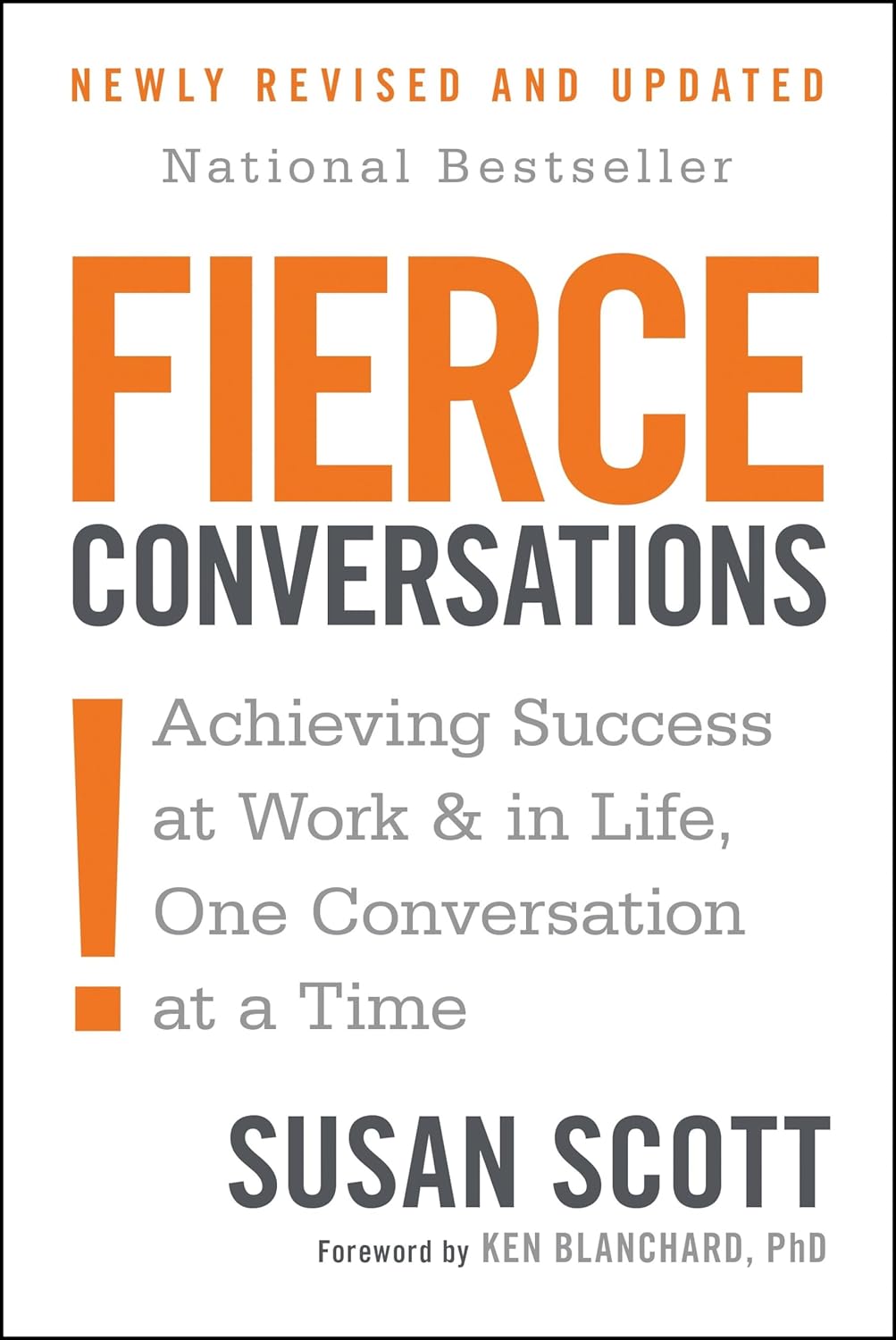
Consider reading Fierce Conversations by Susan Scott for many productive ways to speak up and listen better to improve your future interactions.

Your mind will answer most questions if you learn to relax and wait for the answer.

“Your mind will answer most questions if you learn to relax and wait for the answer.”

William S. Burroughs, 20th Century American writer and visual artist

Image from Unsplash by Drew Coffman

Many people treat life decisions like a game show.

When posed with a critical question, they feel that they must buzz in with an immediate answer. If these answers aren’t instantly available, they often give up and move on to some easier ones.

Rarely does operating this way result in any significant insight or growth.

Taking our time and patiently wrestling with our more challenging issues is a proven method of building our mental muscles and resilience.

EXERCISE:

Where would a more relaxed and patient approach to life’s questions offer you more and better answers to the significant issues facing you?

“When we raise our hopes and lower our expectations, we establish a resilient way forward.

“When we raise our hopes and lower our expectations, we establish a resilient way forward.”

Seth Godin, author, entrepreneur, and teacher

Image from Unsplash by Pedro Sanz

I recently looked for an easy-to-understand definition of resilience. Here is what the American Psychological Association had to offer:

Resilience is the process and outcome of successfully adapting to difficult or challenging life experiences, especially through mental, emotional, and behavioral flexibility and adjustment to external and internal demands.

Seth’s view on the subject is a lot easier to understand and implement!

EXERCISE:

In what areas of life would raising your hopes and lowering your expectations boost your resilience and help you move forward?

The wedding is an event, love is a practice. The Graduation is

“The wedding is an event, love is a practice. The graduation is an event, education is…”

James Clear, Author of Atomic Habits

Image from Unsplash by Brett Jordan

Full Quote: “The wedding is an event, love is a practice. The graduation is an event, education is a practice. The race is an event, fitness is a practice. The heart, mind, and body are endless pursuits.”

Too many of us rest our hopes and expectations on the big days of our lives.

We are constantly looking to capture and highlight moments to post on social media, to proclaim to the world we’ve arrived, or that we are at the top of our games.

But life isn’t just about peak experiences.

It involves the ordinary and often mundane daily efforts of doing our best even when few people ever notice. It definitely includes the rituals, routines, and daily practices that give our lives purpose and meaning.

EXERCISE:

In what ways do you sharpen the saws of your mind and body through your daily efforts?

What heart-based activities keep your life beating to the often-whispering tunes of your soul?

Embrace all of your wins no matter their size

Embrace all of your wins no matter their size.

—Calm App Reflection

Image from Unsplash by National Cancer Institute

As we begin a new year it is a common practice to reflect on the year gone by to see how it compared to our expectations.

Far too many of us experience regret and even shame for coming up short of our grandiose plans. With the wind knocked out of our sails, it’s increasingly difficult to shoot for the stars again in the year ahead.

Instead of looking through these lenses, consider the phrase What I got done today is what I got done today.

Acknowledge all your wins, in which you met the many challenges that landed in your lap the past 365 days.

EXERCISE:

Display the phrase What I got done today is what I got done today on your bathroom mirror.

Reflect on its simple wisdom each morning and night as you brush your teeth for at least two minutes.

Better dental checkups will be an added bonus!

“If you can’t pay it back, pay it forward.”

“If you can’t pay it back, pay it forward.”

Catherine Ryan Hyde, American novelist and short story writer

Image from Unsplash by Ekaterina Shakharova

Who are the people who have invested the most in you over the years?

How did they spend their time, energy, and resources to help you become the person you are today?

In what ways did you repay them for their invaluable contributions?

When I examine my own list, I sometime feel unsettled.

A good number of my teachers, mentors, advisors, and family members are no longer with us. Simply sending my prayers and feelings of gratitude into the domain of spirit doesn’t seem to be enough.

Upon deeper review, I realized that these special individuals probably never expected anything in return. They would probably be very pleased to see me paying many of their lessons forward to others in my communities.

EXERCISE:

Where and with whom would a pay it forward strategy help you balance the ledger of your life for all that you have received from others over the years?