Getting better at asking good questions can give you more buoyancy and help you navigate life’s uncertainties

“Getting better at asking good questions can give you more buoyancy and help you navigate life’s uncertainties.”

Sue Heatherington, Author of the Fresh Sight from the Quiet Edge blog

Image from Unsplash by Buddha Elemental 3D

We often chase better answers yet overlook a quieter skill: asking better questions.

The questions we pose shape what we see, what we try, and how we adapt.

When uncertainty rises, a sharp question acts like a buoy, keeping us from sinking into fear or confusion.

Instead of asking, “Why is this happening to me?” try, “What is this inviting me to learn or change?”

Better questions widen options, reveal patterns, and invite curiosity over judgement.

They turn problems into pathways.

Over time, this habit builds resilience and clarity. You don’t need certainty to move forward; you need direction.

And direction begins with a question that opens — not closes — your mind.

EXERCISE:

In what ways can asking better questions become anchors and give you greater buoyancy in changing waters?

Each morning, write down one guiding question for your day.

Let this question shape your decisions and influence your actions and mindset.
When we know our tendencies, we can account for them

“When we know our tendencies, we can account for them. Tendencies aren’t flaws to overcome; they’re patterns to work with.”

Stephen St Amant, Author of the Savenwood Blog

Image from Amazon 

We spend too much energy trying to fix ourselves. What if nothing is broken?

When we understand our tendencies — how we react, decide, hesitate, or push — we gain leverage. Patterns become information, not judgement.

If you know you rush decisions when excited, you can pause. If you withdraw under stress, you can reach out sooner.

This isn’t about self-criticism — it’s about self-awareness.

Growth doesn’t come from fighting who you are, but from working skillfully with it.

The goal isn’t perfection, it’s alignment using your natural wiring as a guide instead of an obstacle.

When you honor your tendencies, you reduce friction and build consistency. Progress feels less forced and more sustainable, turning everyday awareness into lasting change over time.

EXERCISE:

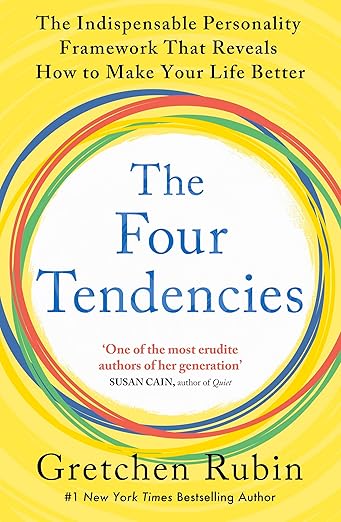
Consider reading the book The Four Tendencies by Gretchen Rubin. In it she explains that people tend to fall into one of four patterns: Upholder, Questioner, Obliger, or Rebel, based on how they respond to inner or outer expectations.

The book shows that understanding these tendencies helps us work with human behavior more effectively, both in ourselves and in others.

“History doesn’t repeat itself, but it often rhymes.”

“History doesn’t repeat itself, but it often rhymes.”

—Often attributed to Mark Twain

Image from Unsplash by Andrew Ridley

The idea that “History doesn’t repeat, but it rhymes” invites us to look at recurring patterns with fresh eyes.

In coaching, this principle reminds us that while circumstances may differ, the lessons remain timeless.

For example, The AI revolution mirrors the dot-com boom’s excitement and uncertainty, teaching us to balance innovation with caution.

Similarly, the Covid-19 pandemic echoes past crises, highlighting the importance of adaptability and resilience.

In my work, I encourage clients to embrace these rhymes-leveraging past experiences as guideposts for growth.

When we recognize life’s patterns, we gain clarity and confidence to write our own unique verse in history.

EXERCISE:

In what ways can reexamining your history provide greater insights to help guide you toward a better future?