
When we rock our bodies slowly, we offer ourselves a calm, sacred retreat during times when life becomes too much.
—Calm App Reflection
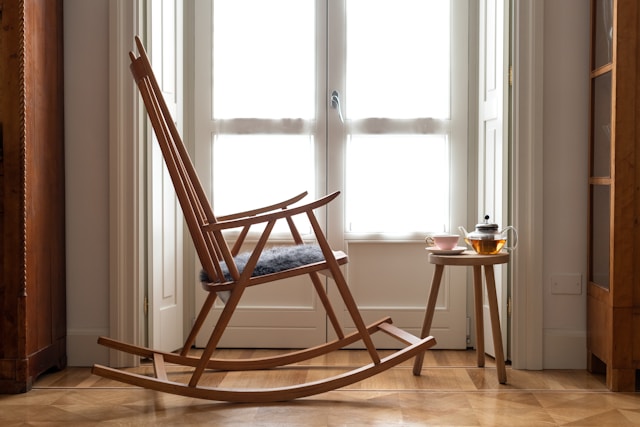
Image from Unsplash by Elena Kloppenburg
When life grows loud and overwhelming, the body often knows a quiet answer the mind forgets.
Gently rocking back and forth, we return ourselves to a rhythm older than worry — it’s the same motion that soothed us as infants, a built-in refuge we carry through every season of life.
In that small repetitive movement, the nervous system softens, the breath deepens, and space opens where tension once lived.
No equipment.
No expertise.
Just permission to pause.
Rocking becomes a kind of sacred retreat, reminding us we are safe enough, steady enough, whole enough.
Sometimes the simplest motions are the most profound acts of self-kindness. When everything feels too much, this gentle sway becomes a welcomed conversation between body and soul.
EXERCISE:
Rocking exercises to restore calm and balance to your life include:
Break out a good old fashioned rocking chair—or just visit a Cracker Barrel Restaurant’s front porch!
Side-to-side swaying with calm music, or during a meditation practice
During work, many people find a stability ball’s rocking motion helpful