Burnout is nature’s way of telling you you’ve been going through the motions

“Burnout is nature’s way of telling you you’ve been going through the motions, but your soul has departed.”

Sam Keen, late American author, academic and philosopher

Image from Unsplash by Christian Erfurt

Burnout is rarely a lack of effort; more often, it is a lack of presence.

Sam Keen’s line reminds us that exhaustion can be a spiritual alarm bell, not just a physical one. We keep performing, producing, and pleasing long after our inner life has gone quiet.

When the soul leaves the work, the work still gets done, but it no longer nourishes us.

The invitation is simple but brave—pause, listen, and ask what you’ve been ignoring.

Recovery begins when you stop living by habit and start living by truth.

Reconnect with what feels meaningful, and your energy will most likely return with it.

EXERCISE:

The book Burnout by Emily and Amelia Nagoski explains why stress becomes overwhelming when the body never gets the chance to complete the stress cycle.

It blends science and compassion to show how rest, connection, movement, and self-kindness can help people recover their energy and joy in living.

Silence, reflection, and presence are three qualities we can all practice

Silence, reflection, and presence are three qualities we can all practice to become more masterful listeners.

—Calm App Reflection

Image from Unsplash by Kristina Flour

Silence, reflection, and presence are three quiet superpowers of masterful listening.

Silence creates space; it stops us from planning our reply while the other person is still speaking.
Reflection helps us hear beneath the words, asking, “what matters most here?”
Presence keeps us fully with the person in front of us instead of checking out mentally, emotionally, or digitally.

Most people don’t feel unheard because we talk too little—they feel unheard because we listen too little.

The good news? Listening is a skill we can practice. Pause. Breath. Stay curious. Let the other person finish first.

Then respond with care, not speed. When people feel truly heard, trust grows, connections deepen, and conversations become far more meaningful.

EXERCISE:

Stephen Covey’s classic book, The 7 Habits of Highly Effective People always tops the rankings on resources for masterful listening.

Two other sources to consider are Just Listen by Mark Goulston and You’re Not Listening by Kate Murphy.

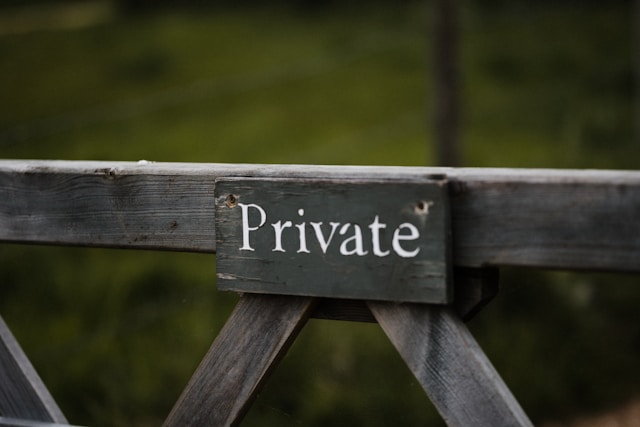
“It is completely okay to have an incredible experience without broadcasting it.”

“It is completely okay to have an incredible experience without broadcasting it.”

Rohan Rajiv, author of A Learning a Day blog

Image from Unsplash by Annie Spratt

In a world that rewards visibility, we quietly forget that meaning does not require an audience.

Some of the richest moments are meant to be fully lived, not packaged, filtered, and posted.

When you resist the urge to broadcast, you reclaim presence.
You notice more.
You feel more.
You remember more.

Privacy becomes a kind of power, a way of honoring the experience rather than putting it on display.

Not every joy needs validation. Not every insight needs applause. Let something just be yours. Let it deepen you instead of trying to impress others.

There is a quiet confidence in saying, “this mattered, even if no one else saw it.” Sometimes the most transformative experiences grow best in silence.

EXERCISE:

Keep a “private moment” inventory by writing about a recent meaningful experience you didn’t share. What made it special? How did it feel to keep it just for yourself?

Reminisce about the past. Dream about the future, but live the season you’re in

“Reminisce about the past. Dream about the future, but live the season you’re in.”

Stephen St. Amant, Author of the Savenwood Blog

Image from Unsplash by Egor Komarov

Each chapter of life holds its own quiet miracles — the laughter around the table, the sunrise that greets us, the lessons tucked between routine moments.

The past shapes us.

The future calls to us.

But right now is where life breathes.

If we rush ahead or reach backward too long, we miss the sacredness of now — this heartbeat, this morning light, this chance to be fully present.

Whatever season you find yourself in — blooming, rebuilding, or resting — live it deeply. Because when we honor the present, we discover that it’s not just a season… It’s our gift.

EXERCISE:

Consider reading The Power of Now by Eckart Tolle. This classic book invites readers to step back from their overactive minds to discover a deeper, calmer awareness available at any moment.

Take the time to see and fully experience what’s right in front of you.

Take the time to see and fully experience what’s right in front of you.

—Calm App Reflection

Image from Unsplash by Brett Jordan

Life doesn’t only happen in grand moments.

It’s pulsing quietly in the ordinary ones we often rush past — the warmth and aroma of morning coffee, the way a sunrise peaks over the horizon, and even the rhythm of your own breath.

These are invitations, not background noise.

Most of us are moving too fast to notice the world we claim to love.

Presence isn’t passive — it’s a radical act of awareness.

When you slow down enough to truly see, you return to the only place life unfolds — this moment, right here.

Stop chasing meaning somewhere else. It’s already standing in front of you, waiting to be seen!

EXERCISE:

Where are you sprinting through your days on autopilot?

How can and will you slow down, look up, and see and feel the moment you’re in?

Your best life isn’t somewhere in the future — it starts the instant you choose to be fully present.

Moral beauty rarely announces itself with fireworks

“Moral beauty rarely announces itself with fireworks. More often, it arrives disguised as attention.”

Chip Conley, founder of Modern Elder Academy

Image from Unsplash by Levi Meir Clancy

Moral beauty rarely announces itself with fireworks. More often it arrives disguised as attention — the quiet act of noticing what others overlook.

It looks like pausing before responding, asking one more question, or remembering a detail shared weeks ago.

In a culture that rewards speed and spectacle, attention is a radical kindness. It says, “You matter enough for me to slow down.”

When we practice this kind of presence, we reshape conversations, relationships, and even our own inner dialogue.

We become less reactive, more curious, and surprisingly more effective.

Attention is not passive; it is an active choice to care.

EXERCISE:

At the end of each day, write down one moment of quiet goodness or restraint.

Doing this can train and strengthen your mind to discover greater moral beauty throughout your communities.

How can you incorporate a “Be Here Wow!” attitude and a sense of wonder in each moment of today and every tomorrow?

How can you incorporate a “Be Here Wow!” attitude and a sense of wonder in each moment of today and every tomorrow?

—Calm App Reflection

Image from Unsplash by Ben White

What if every moment whispered, “Be Here-Wow?”

Life rushes by in a blur of to-dos and notifications yet wonder hides in plain sight: sunlight warming your skin, laughter echoing down the hallway, the quiet rhythm of your breath.

A “Be Here Wow” attitude means choosing presence over distraction — allowing awe to replace autopilot. It’s not about chasing epic experiences but awakening to the magic in the ordinary.

Notice the miracle of now, again and again. Each moment offers a spark waiting to ignite gratitude, curiosity, and joy.

So, breathe in this second. Let it astonish you. Be Here — and say, Wow!

EXERCISE:

How can you apply a “Be Here Wow” mindset to crack open your days and turn ordinary moments into sacred sparks of aliveness?

How can you experience every today and every tomorrow as a fresh chance to wake up amazed?

Walk as if you are kissing the earth with your feet

“Walk as if you are kissing the earth with your feet.”

Thich Nhat Hanh, late Vietnamese Buddhist monk, author, teacher

Image from Unsplash by Sandro Gonzalez

Today’s quote offers us a beautiful invitation to live with presence and gratitude.

Imagine each step you take as a gentle embrace, honoring the very ground that supports you. This simple shift can transform an ordinary walk into a mindful practice, a moment of connection with ourselves and the world around us.

Try moving a bit more slowly today — soften your steps, pay attention to the sensations underfoot, and let gratitude fill your heart for this beautiful planet we share. In doing so, we nurture not only the earth, but our spirit as well.

EXERCISE:

Take a slow barefoot walk today. Try exploring different surfaces such as grass, sand, or carpet, and reflect with gratitude on all the good things in your life.

Compassion is to share the pain without sharing the suffering

“Compassion is to share the pain without sharing the suffering.”

Shinzen Young, American meditation teacher

Image from Unsplash by Paulo Meza

True compassion isn’t about absorbing another’s sorrow, but about being present and supportive.

When someone we care about is hurting, our instinct is often to take on their suffering. Instead, compassion invites us to listen deeply, offer comfort, and walk beside them through their pain.

We acknowledge their struggles without becoming overwhelmed ourselves.

In this way, we become a source of strength and hope, rather than additional weight.

Compassion is a gentle balance — feeling with, not for, another.

It’s a gift of presence, understanding, and love that uplifts the giver and the receiver, fostering healing and connection.

EXERCISE:

Who in your life is in need of compassionate support?

In what ways can you be with them and ease their burden without needing to carry their emotional weight?

You can dramatically extend life

“You can dramatically extend life — not by multiplying the number of years, but by expanding the fullness of your moments.”

Shinzen Young, American Meditation Teacher

Image from Unsplash by Simon Berger

We often dream of extending our lives, wishing for more trips around the sun. But what if true longevity isn’t about adding time, but about deepening our experience of each moment?

Life’s richness isn’t measured in years alone, but in the fullness with which we live. By being present and embracing each moment wholeheartedly, we dramatically expand our lives — not in length, but in depth.

So, seek meaning in the Now. In doing so, you’ll discover a life that feels not just longer, but in many ways, limitless.

EXERCISE:

In what ways can mindfulness help you live more fully?

What practical steps can you take to make your daily experiences more meaningful?

Consider reading “How Will you Measure your Life” by Clay Christensen for ideas to put more life into your years.
You can also view his TED talk from 2012 on this subject