Always do your best. What you plant now, you will harvest later

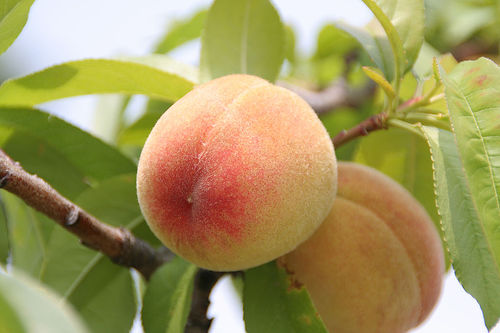
“Always do your best. What you plant now, you will harvest later.”

– Og Mandino, 20th Century American motivational author
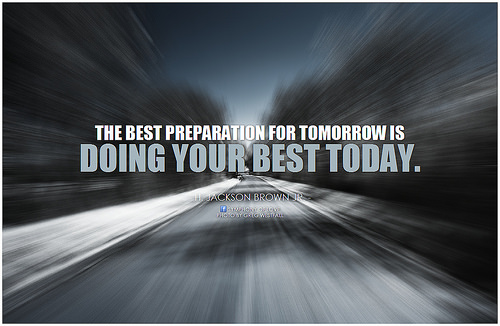
Image from Flickr by symphony of love.

Image from Flickr by symphony of love.

Asking people to do their best, to seek excellence, on a key project or top priority seems like the ultimate cliché of coaching. Blogs, books, and quotes related to this simple idea abound.

What does doing your best truly mean? For most of us, it often seems impossible, given the image we have in our minds about how our “best” can look.

Consider the idea that we all have a “best continuum,” in which what we’re capable of varies depending on the day or time. Consider, too, that your actions are like planting seeds and tending a garden, where all efforts count and add up.

Exercise:

What does your best effort look like today? Take a moment to acknowledge and appreciate yourself, knowing that the sum total of all your daily bests will bring you the harvest you seek.
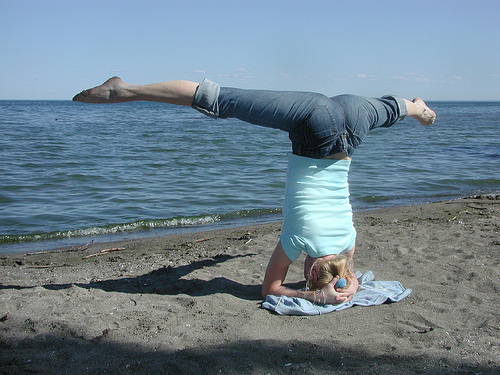
“It is more important to know where you are going than to get there quickly. Do not mistake activity for achievement.”

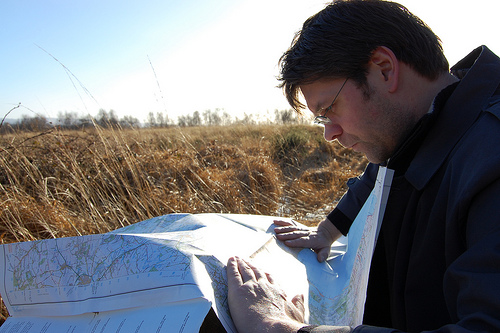
“It is more important to know where you are going than to get there quickly. Do not mistake activity for achievement.”

—Mabel Newcomer, economics professor

535

Image from Flickr by joeflintham

Today’s quote makes me think about the words “effective” and “efficient.” Many people today aim to quicken their pace at lots of daily activities – including eating, work, and most forms of interpersonal communication.

A critical downside of our multi-tasking, fast-paced society is that we are often focused on doing things efficiently, without being sure we are accomplishing what we intend to achieve.

Exercise:

During your day, take a few moments to ask yourself the following question: Is what I’m doing (or about to do) moving me toward my desire?

By focusing on where you truly want to go, you won’t mistake activity for achievement.

affectionate communication of insight

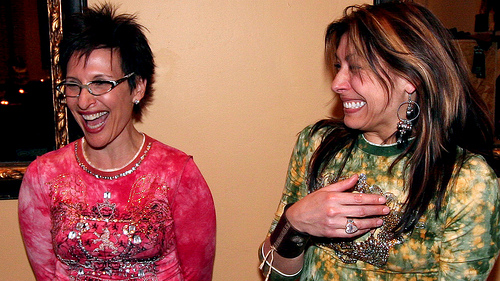
“Humor is the affectionate communication of insight.”

– Leo Rosten, American novelist

Image of women laughing

Image from Flickr by eschipul.

Stand-up comedians have one of the most difficult jobs on the planet. Imagine waiting 23.5 hours just to stand in front of a packed room with the job of making everyone laugh on cue for 30 minutes, at 11:30 pm!

The masters of this art have an uncanny ability to touch our head, heart, and funny bones with a surprising insight into our inner lives that’s rarely discussed.

Finding those universal notes that harmonize with everyone in the audience is magic, and the resulting synergistic laughter overtakes everyone – causing belly laughs, gasps, and in the best cases, the inability to catch our breath.

Exercise:

How can you learn to develop this special form of communication to deepen your connections with others and attract new people who share  common but hidden affinities and attributes?

“Love is a fruit in season at all times and within reach of every hand.”

“Love is a fruit in season at all times and within reach of every hand.”

—Mother Teresa, Catholic saint and Nobel peace prize winner

Image from Flickr by Skyseeker

I do the majority of the food shopping in my family. When I was a young boy, my mom would often take us to the supermarket where we would get a little coaching on how to pick the best produce – including the ripest and sweetest fruits, in season, of course.

Today’s mega-markets have all types of fruits in all seasons due to the advent of worldwide distribution channels. In many ways, these varieties seem a bit less tasty due to the processing required to have them make their considerable journeys.

Love, as Mother Teresa suggests, is the choicest fruit and is always at hand in every season. We don’t even need to go to the market to fill our lives and homes with its sweetness and abundance.

Exercise:

Love not only makes the world go round but also makes the ride worthwhile. How can and will you sweeten your life and the lives of others today, and throughout every season?

Committed but Flexible

“Stay committed to your decisions but stay flexible in your approach.”

– Tony Robbins, motivational speaker

528Image from Flickr by Shar Ka.

One of my primary goals as a coach is to support the organizations I work with in building coaching cultures. Very few people would disagree with this commitment to help each individual and the organization as a whole realize their fullest potential.

Critical to this journey are the skills of inspired leadership and empowered management. My experience over the years has shown that, with sufficient collaboration and cooperation, creating alignment toward these common objectives is very achievable – yet complete agreement with all the tactics necessary to realize their over-arching future rarely occurs. As today’s quote points out, staying flexible in your approach is essential.

Exercise:

Today, and in the days and weeks ahead, focus on your receptivity to “buying into” important group goals. Inform the people around you that you are absolutely open and willing to be flexible in your approaches to reach these new objectives.

“Stories can conquer fear, you know. They can make the heart bigger.”

“Stories can conquer fear, you know. They can make the heart bigger.”

– Ben Okri, Nigerian poet

523

Image from Flickr by woodleywonderworks

In the coming days, pay particular attention to the stories people tell in your professional and personal life. You can even examine the stories told in the books you read, the shows you watch, and the other forms of media you engage with.

Notice the stories that tug at your heart strings and move you deeply. The common theme is when someone summons the courage from some deeply held belief or commitment to overcome a barrier that seems improbable (or even impossible) to conquer.

Exercise:

Consider picking up a copy of one of the many Chicken Soup for the Soul books by Jack Canfield. The subtitle for the original book reads “101 stories to open the heart and rekindle the spirit.”

“The first great gift we can bestow on others is a good example.”

“The first great gift we can bestow on others is a good example.”

—Thomas Morell, English librettist and scholar

522

Image from Flicker by svenlohmeyer

Organizations often engage coaches to support the growth and development of their key people. They see these engagements as investments that can pay huge dividends as they create a culture of coaching.

Of paramount importance to these efforts is the fact that these key leaders and managers are setting an example for their teams, by demonstrating their own coachability and openness to change.

Exercise:

Who in your personal or professional life sets a great example for you to follow?

What can you do to set an even better example for others in your life?

What Weighs You Down

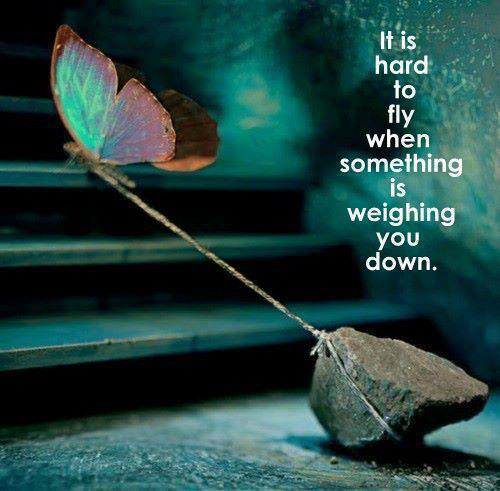
“It is hard to fly when something is weighing you down.”

– Unknown

weighing

My health club is one of the largest in the region. It includes all the regular exercise facilities you might expect, plus some extras such as tennis courts, basketball courts, swimming pools, and even a climbing wall.

I’ve noticed some of the fittest and most competitive athletes adding extra weights to their ankles or waists, to weigh themselves down and make their normal athletic efforts even more difficult.

When they remove them and are no longer weighted down, they experience a lightness and an added strength that lets them fly a bit higher and further.

Exercise:

Identify the circumstances and issues that weigh you down.

How can you use these personal and professional challenges as a resource to build your capacity to fly once you remove them completely from your life?

hiding in the crowd

“The world will never discover a person who is hiding in the crowd.”

– Dr. Mardy Grothe, psychologist

520Image from Flickr by Si1very.

When my children were young, we would often play a searching game with them called “Where’s Waldo?” The books in this series consisted of detailed double-spread illustrations depicting dozens or hundreds of people doing amusing things at a given location.

Readers were challenged to find Waldo, a slender, glasses-wearing, nerdy character sporting a red and white striped shirt, bobble hat, and blue trousers.

Unfortunately, most people don’t like taking the time to find the “Waldos” of opportunity in their world. They much prefer opportunities to stand out in the world shouting, “Here I am!”

Exercise:

What special efforts can you make or what goal can you accomplish today that will have you stand out from the crowd?

“There are two ways of spreading light: to be the candle or the mirror that reflects it.”

“There are two ways of spreading light: to be the candle or the mirror that reflects it.”

– Edith Wharton, Pulitzer Prize-winning American novelist

518Image from Flickr by Avijeet_Sachdev.

This quote immediately appealed to me as a great metaphor for the role of a coach. Much of the time, a coach’s focus is to help their clients discover, expand, and give off their light in the form of their vision, values, gifts, and talents.

At the same time, coaches often act as mirrors, reflecting back to each individual this same light to support and synergize with them in order to enhance their power, focus, and effectiveness.

Exercise:

How can you play the role of candle and mirror today as you support others and pursue your own excellence journey?