“Habits are first cobwebs, then cables.”

“Habits are first cobwebs, then cables.”

– Spanish Proverb

Photo from Flickr by Koen

Photo from Flickr by Koen

As a new year approaches, many people make resolutions to achieve various personal and professional goals. Research points out that well over 90 percent of their objectives never come to pass.

Most experts tell us it takes three to six weeks to create a habit. A new attempt at exercise, diet, and getting into better shape is like the first filament in a cobweb – delicate, unsupported, easily torn.

If, however, we continue the positive behaviors over longer periods of time, the filaments become cables that hold our lives together, strong enough to endure the challenges that might pull the weaker filaments apart.

EXERCISE:

Do a personal assessment of both your most positive and negative habits.

What will you need to do to support and strengthen those that serve you best?

What is necessary to break the strong cables of your undesirable habits, and replace them with the cobwebs – and eventually cables – of the behaviors you most desire?

“Habit is the daily battle-ground of character.”

“Habit is the daily battleground of character.”

—Dan Coats, 20th Century American politician and diplomat

Image from Unsplash by Prophsee Journals

I agree with the quote above, and disagree with it at the same time.

Let’s start where I disagree. Many of us engage in a variety of not-so-wonderful habits that would be called “character flaws” by many. These habits include eating junk food, not exercising, and spending money we don’t have, leaving us in debt.

On the other hand, the good and noble habits that demonstrate character often occur initially as a battle-ground, due to the need to go outside our comfort zones.

Most people of high character would suggest that the rewards of these habits are well worth it – and over time they become far less of a struggle to maintain.

Exercise:

Choose one of your current undesirable habits and promise yourself (and those around you) that you will replace it with one that demonstrates your highest character.

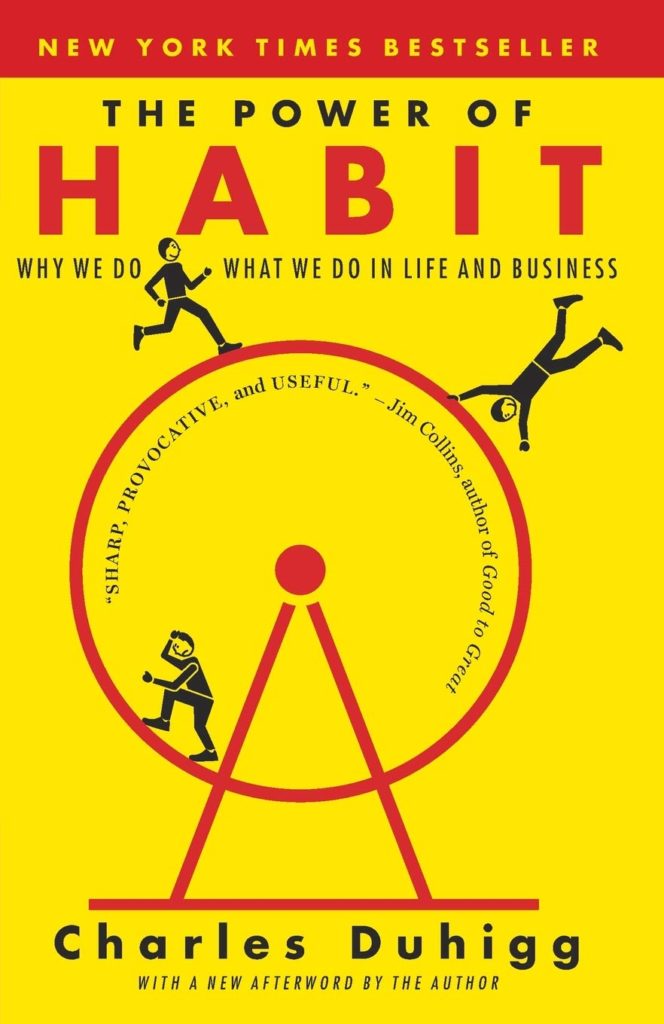
If you would like additional help with this and other habits you may wish to develop, consider purchasing and implementing the strategies in the book The Power of Habit by Charles Duhigg:  charlesduhigg.com/the-power-of-habit

“The world has a habit of making room for the man whose words and actions show that he knows where he is going.”

“The world has a habit of making room for the man whose words and actions show that he knows where he is going.”

– Napoleon Hill, early self-help author

Self-confidence can be a slippery slope. When we have too little, we are often paralyzed. If we demonstrate too much, we could be perceived as cocky, arrogant, or closed-minded.

Exercise:

Three strategies to develop and enhance your confidence without going too far include:

1. Working on critical skills and abilities through committed and consistent practice to enhance your competency.
2. Working on your ability to remain calm and centered when faced with events that can trigger upsets and strong emotions.
3. Speaking and acting each day in ways consistent with your core values and fundamental beliefs. They will provide you with both direction and personal power to step confidently through your world.

“A bad habit never goes away by itself: it’s always an ‘undo-it-yourself’ project.”

“A bad habit never goes away by itself: it’s always an ‘undo-it-yourself’ project.”

– Abigail Van Buren, founder of the “Dear Abby” column

Many researchers would say that we are our habits. All we need to do is observe the over 95% failure rate of New Year’s resolutions to see how entrenched they are. Depending on your age, you have 20, 30, 40 or more years of practice engaging in these bad habits – no wonder they seem so resistant to change.

Exercise:

Begin your “undo-it-yourself “project by replacing a bad habit with a good one, using the following 4 steps:

Step 1: Select a bad habit you wish to break which is keeping you from a high-priority goal.
Step 2: Identify the new habit you desire by observing individuals who’ve achieved this goal.
Step 3: List the exact behaviors they consistently engage in and copy their effort as closely as possible for at least 3 weeks
Step 4: Enlist additional social and structural support to ensure your success.

Feel free to get back to me and let me know what you were able to achieve, by replying to this email.

“Do your little bit of good wherever you are; it’s those little bits of good put together that overwhelm the world.”

“Do your little bit of good wherever you are; it’s those little bits of good put together that overwhelm the world.”

—Desmond Tutu, South African bishop and opponent of apartheid

I have recently finished reading the book The Power of Habit by Charles Duhigg. One of the ideas he points out as a way to generate individual and organizational habits that lead to greater success is to focus on “small wins.”

Too often we glamorize only the big wins – you know, those “superbowl” sized accomplishments that are highlighted in the media – without recognizing all those little steps along the way.

Exercise:

Develop a “little bit of good” journal, scoreboard or notebook to capture all the ways you can and do make the world a better place.

Create a separate section to capture all the little bits of good others do for you.

Imagine the possibilities of seven billion people doing this exercise!