“Sometimes changing the game is as simple as finding a few people who play by the same rules you do.”

“Sometimes changing the game is as simple as finding a few people who play by the same rules you do.”

—Curtis Tyrone Jones, Author of Guru in the Glass
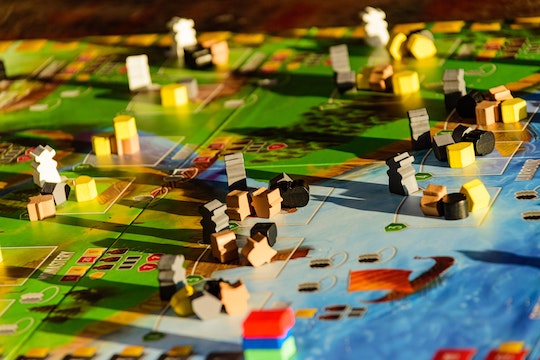
Image from Unsplash by Christopher Paul High

Imagine you are about to play a new board game. Although you want to begin playing immediately, you must first read the rules.

What if your current life was actually a board game in which the rules – and even the players – were already established without your knowledge? How much do you enjoy playing your current game, and how often do you experience that winning feeling?

Upon opening the box to your new game, you are surprised to see that instead of being highly detailed and specific, the rule sheet offers a number of provocative questions for you to create your own set of rules.

You have the power to guide your play and who you invite to join in the fun.

EXERCISE:

What questions could you ask yourself to reveal a set of rules that would most fully resonate with your most closely held values and guiding principles?

Which people in your world that live by these rules can and will you invite to take their turn rolling the dice?
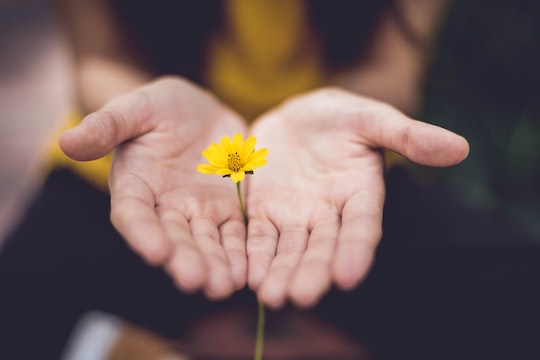

Forgiveness is a funny thing. It warms the heart and cools the sting

“Forgiveness is a funny thing. It warms the heart and cools the sting.”

—William Arthur Ward, 20th Century inspirational author

Image from Unsplash by Lina Trochez

Many people are suffering these days. Without question, life comes with ups and downs, making our journeys bumpy and filled with twists and turns.

Forgiveness is a quality we admire and appreciate in people we respect and wish to emulate. Many of us find forgiveness quite difficult to express on a consistent basis despite the fact that it truly “warms the heart and cools the sting.”

What is it in our wiring that can make forgiving others and even forgiving ourselves so difficult?

EXERCISE:

How often do you make yourself and others wrong for their mistakes, shortcomings, and acts that hurt others?

What would be the value of finding greater compassion, empathy, and forgiveness within yourself to travel life’s road a bit more smoothly?

Friday Review: Fear

FRIDAY REVIEW: FEAR

How often do you let fear stop you from achieving your goal? Here are a few fear-related posts you may have missed.


“Everyone is a moon and has a dark side which he never shows to anybody.”


“There are plenty of obstacles in your path. Don’t allow yourself to become one of them.”


“What is the cost of getting it wrong? What are the payoffs of getting it right?”


“We get what we pay for, and sometimes we pay for what we get.”

“We get what we pay for, and sometimes we pay for what we get.”

—Seth Godin, American Author

Image from Unsplash by Christian Wiediger

In January, we experienced a considerable snow storm. While shoveling the eight inches of wet, heavy stuff from my driveway, I saw very few vehicles trying to navigate the roads, other than Amazon Prime vans. They seemed to be everywhere, delivering what we conveniently pay for sitting at our computers or other digital device.

What is this instant gratification approach to getting what we want costing us? In what ways may it be impacting our self-centeredness, impatience, clutter, and the emotional roller coaster of debt?

EXERCISE:

Where and how would taking a “the best things in life are free” approach to living help you get far more out of life?

“I wish you way more than luck.”

“I wish you way more than luck.”

—David Foster Wallace, late American writer and university professor

Image from Unsplash by George Pagan III

Eliyahu Goldratt has a provocative quote about luck that has a bit more meat on the bone. It states: Good luck is when opportunity meets preparation, while bad luck is when lack of preparation meets reality.

Who hasn’t, from time to time, wished others good luck on some personal or professional objective?

Being nice, courteous, polite, and positive seems like a good thing to do but how much of a difference does it actually make?

Similarly, how much of an impact does liking or retweeting a social media post have?

EXERCISE:

What does wishing someone more than luck look like to you? How might it include supporting someone’s preparedness, or foster greater opportunities for those you wish to support?

Feel free to reply to this post to share your perspective.

“Learning how to think really means learning how to exercise some control over how and what you think.”

“Learning how to think really means learning how to exercise some control over how and what you think.”

—David Foster Wallace, late American writer and university professor

Image from Unsplash by Thought Catalog

In late January, we reached our 2,000th Quotable Coach post, which represents eight years of Monday-thru-Friday posts to you, our loyal readers.

Beyond making these nuggets of wisdom available to others, this daily exercise is part of my own cerebral workout for my mental muscles.

Posing a wide variety of questions to you (and to myself) has increased my self-awareness and ability to guide my life professionally and personally for the better.

Thank You!

EXERCISE:

In the weeks and months ahead, please consider replying to at least one post that assists you in your own thinking efforts.

A weekly reply would be great!

Please also consider sharing The Quotable Coach resource with others in your communities who might also wish to exercise greater control over how and what they think.

“May you have ideas so big they grow wings!”

“May you have ideas so big they grow wings!”

—Author Unknown

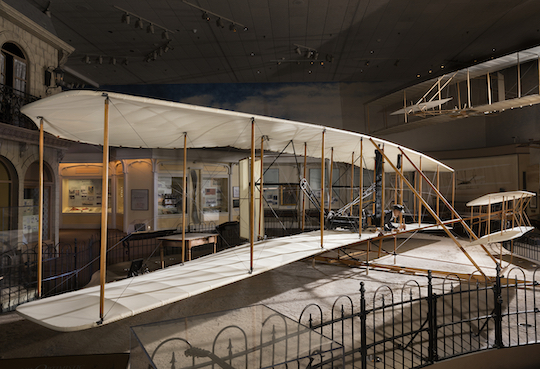
1903 Wright Flyer, Smithsonian Institution National Air and Space Museum.

On December 17, 1903, the Wright Brothers had a big idea that grew wings and took flight.

For many years, man has looked to nature for some other remarkable ideas that also took flight, including:

  • The Robotic Arm, patterned after an Elephant’s Trunk
  • The Bullet Train, patterned after the shape of a Kingfisher
  • Better X-Ray Vision, based on a Lobster’s vision
  • Harvesting Water, patterned after the Stenocara Desert Beetle
  • The Energy Grid, based on the hive mind of bees
  • Adhesives, patterned after the feet of the Gecko
  • Wind Turbines, based on the fins of Humpback Whales
  • The Shock Absorber, based on the beak of the Woodpecker
  • Ventilation Systems, patterned after Termite mounds

EXERCISE:

What are some of your best idea-generating strategies? When are your most creative times of the day?

Consider both times of great and limited focus to exercise both sides of your amazing brain.

Now, most importantly, which of these need less drag and more lift to take flight?

Friday Review: Criticism

FRIDAY REVIEW: CRITICISM

How critical are you? How do you react to criticism from others? Here are a few criticism-related posts you may have missed.


“Praise does wonders for our sense of hearing.”


“If criticism is needed, do it tactfully. Don’t use a sledgehammer when a fly swatter will do the job.”


“Dogs bark at those they do not know.”


“Anyone who keeps the ability to see beauty never grows old.”

“Anyone who keeps the ability to see beauty never grows old.”

—Franz Kafka, 20th Century German-speaking Bohemian novelist

Image from Unsplash by Mitchell Maglio

The phrase Beauty is in the Eye of the Beholder can only take us so far in life. Given the increasing pace of our lives, many of us struggle with even taking the time to perceive and fully appreciate the beauty around and within our world.

Considering beauty as a fountain of youth may cause all of us to take a far more comprehensive look at this skill, much like our current efforts to eat better, exercise more, and get the rest we need to be our best, for ourselves and those we love.

EXERCISE:

Where and in what ways can and will you more fully experience and delight in all the miraculous beauty around and within you?

Hopefully, just the anticipation of doing so will put a lot more youthful pep in your step!

“A surplus of effort could overcome a deficit of confidence.”

“A surplus of effort could overcome a deficit of confidence.”

—Sonia Sotomayor, U.S. Supreme Court Justice

Take a few minutes to reflect on your level of confidence regarding your personal and professional skills, abilities, and talents.

In which areas are you most or least confident?

Examine the levels of effort, practice, and overall experience you have put forth in each of these areas.

What factors seem to be most associated with higher versus lower confidence?

EXERCISE:

Where and on what personal or professional matter would a surplus of effort increase your effectiveness and your confidence?

What actions can and will you take to do just that?