“What we learn to do shapes how we learn to think.”

“What we learn to do shapes how we learn to think.”

Stephen St. Amant, author of the Savenwood blog

Image from Unsplash by eleonora

What we practice doesn’t just fill our time; it rewrites our minds.

When you train as a marketer, you start to see stories in every product.
When you learn to coach, you begin to listen for the question beneath the question.
Learn spreadsheets, and the world turn into columns and rows.
Learn to paint, and suddenly light, shadow, and color shout for your attention.

The danger is living on autopilot, letting old habits do your thinking for you.

The invitation is to choose your practices on purpose because every skill you rehearse is secretly a rehearsal for how you will think.

EXERCISE:

Consider reading Thinking Fast and Slow by Daniel Kahneman to examine how two powerful thinking systems shape judgement, bias, and decision making to better your life.

There’s a lesson in every interaction

“There’s a lesson in every interaction, if we want there to be.”

Seth Godin,  American author, marketing expert, entrepreneur

Image from Unsplash by Vince Fleming

Each exchange — a casual chat, a heated argument, a polite nod — is a classroom if you’re bold enough to enroll.

Most people coast through conversations collecting validation, not wisdom. But what if you treated every interaction as a mirror, a test, or a gift?

That annoying colleague might be teaching patience.

That quiet stranger might be modeling presence.

Every moment becomes richer when you ask, “What can I learn here?” instead of “What’s in it for me?”

The world never stops offering hints about who you are, how you lead, and how you love.

The only question is: Are you listening closely enough to catch the lesson before it disappears?

EXERCISE:

When someone in your life irritates you, pause and ask: What is this reaction teaching me?

This question reframes discomfort into a growth opportunity, showing where your patience, ego, or compassion could evolve.

“There are countless things we can do today to change tomorrow.”

“There are countless things we can do today to change tomorrow.”

Seth Godin, American author, marketing expert, entrepreneur

Image from Unsplash by Quino Al

Every new sunrise offers a chance to shape tomorrow in inspiring ways.

It’s easy to forget how much power we hold in the small choices and actions we make each day. From sharing a kind word, pursuing a good habit, or saying yes to growth — every moment is alive with possibility.

There are countless things we can do today to create a brighter future — whether it’s learning something new, reaching out to help another person, or embracing a fresh perspective.

Change builds with each action, and the energy you invest now multiplies, transforming challenges into opportunities.

If you want to change tomorrow, start by taking one small intentional step today — your decisions are seeds, and tomorrow is their garden.

EXERCISE:

What are a few of the countless things you can do today to change tomorrow for the better? Consider telling friends and family of your intentions and ask them to join the fun.


Job shadowing is a good idea at any age

“Job shadowing is a good idea at any age.”

Gabe Anderson– Musician

Image from Unsplash by Yk K

Job shadowing isn’t just for students or those starting out — it’s a powerful tool at any age.

Whether you’re 25, 45, or 65, stepping into someone else’s workday can open your eyes to new perspectives, spark fresh ideas, and even reignite passion for your own career.

For those considering a midlife career shift, shadowing helps you explore options without a major leap.

For seasoned professionals, it’s a chance to stay curious, expand knowledge, and connect with the next generation.

And for retirees, it offers meaningful engagement and continued learning. Curiosity has no age limit — shadowing reminds us we can all grow, adapt, and stay inspired at any stage of life.

EXERCISE:

Who would you like to shadow for a day?

How might these experiences spark new ideas and remind you that curiosity and personal growth have no expiration date?

“Your best teacher is your last mistake.”

“Your best teacher is your last mistake.”

Ralph Nader, American lawyer & political activist

Image from Unsplash by Chuttersnap

Mistakes sting, but they’re the most honest instructors we’ll ever have.

Unlike a textbook, a mistake doesn’t sugarcoat the lesson — it delivers it with clarity and impact.

When we stumble, we’re forced to pause, reflect, and adapt. That last blunder is a personalized curriculum, tailored to expose our blind spots and spark growth.

What if we welcomed errors as mentors instead of hiding from them?

Each misstep is an invitation to get better, not bitter.

The key is to analyze, not agonize.

Ask: What went wrong? What can I change next time?

Success isn’t about avoiding mistakes — it’s about learning from them.

EXERCISE:

How can you use your last mistake to improve your future decisions?

How can you turn more of life’s setbacks into stepping stones for success?

“Change is the end result of all true learning.”

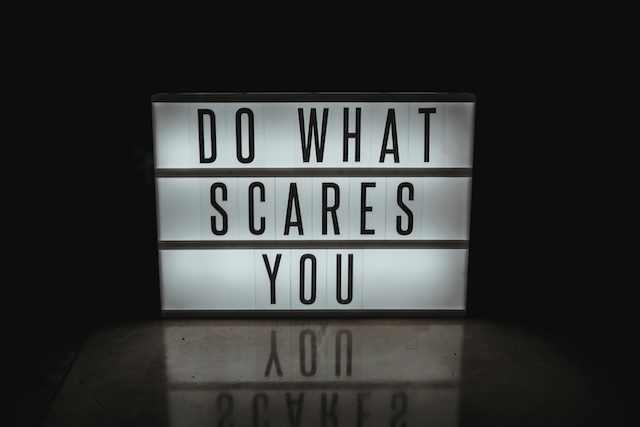
“Change is the end result of all true learning.”

Leo Buscaglia, 20th Century American author, motivational speaker, professor

Image from Unsplash by Nick Fewings

Today’s quote does an efficient job of encapsulating the transformative power of knowledge.

It reminds us that genuine learning goes beyond mere information acquisition — it fundamentally alters our perspectives and behaviors.

When we truly internalize new ideas, we can’t help but evolve. Whether it’s shifting our worldview, adopting new habits, or refining our skills, authentic learning inevitably leads to personal growth.

EXERCISE:

In what ways do you view change as a positive indicator or learning?

To what degree do you remain open and receptive to new ideas and change given our rapidly evolving world?


Friday Review: Learning

Friday Review: Learning

Are you learning something new or better every day? Here are a few related posts you may have missed.


“Fill each day with things to learn, launch, and love.”


“The best thing for being sad, replied Merlin, is to learn something.”


“You cannot teach a crab to walk straight.”


A man, though wise, should never be ashamed of learning more, and unbending his mind

“A man, though wise, should never be ashamed of learning more, and unbending his mind.”

Sophocles, ancient Greek tragedian

Image from Unsplash by Jay Mullings

Today’s quote has a message for all of us.

Although most people would consider themselves fairly wise and worldly, each of us blunders from time to time due to our unbending minds.

Far too many of us have shut the windows and doors of our minds to prevent fresh and new ideas to enter and clear the way for more informed and better choices.

EXERCISE:

Where have you and others in your communities closed the doors to learning more about the issues we all face?

How would greater flexibility and a more open-minded approach to living guide us all to a better future?

You have not grown too old, and it is not too late

“You have not grown too old, and it is not too late to dive into your increasing depths where life calmly gives out its own secret.”

Rainer Maria Rilke, 20th Century Austrian poet and novelist

The other day a friend asked who was my audience for The Quotable Coach blog. My off-the-cuff response included people looking to live more meaningful lives and those looking to learn, grow, and pursue greater wisdom.

As with many bloggers, we only get a small glimpse of who actually reads our work. We rarely get to see the impact we intend and just hope that it does. I know for sure that the process of writing is definitely valuable to me even if no one else digs into the nuggets being offered.

EXERCISE:

If you are a loyal or even an occasional reader of this blog, please consider replying with a brief note about yourself and let me know why you invest a minute of your day to see what may be there for you.

Thank you.

“Optimism is man’s passport to a better tomorrow.”

“Optimism is man’s passport to a better tomorrow.”

—Author Unknown

Image from Unsplash by Miki Fath

If the idea Thoughts Become Things is true, being an optimist seems like a pretty good way to manifest a good life.

Consider the half full versus the half empty people in your life.

Who do you prefer to be around and what other people and things seem to be attracted to them?

Explore your family gatherings and the people with whom you work.

Which people light you up or pour cold water on your world?

EXERCISE:

The books Learned Optimism, and Authentic Happiness by Martin Seligman, PhD are two excellent resources to expand your optimism to lead you and others to many better tomorrows.