Silence, reflection, and presence are three qualities we can all practice

Silence, reflection, and presence are three qualities we can all practice to become more masterful listeners.

—Calm App Reflection

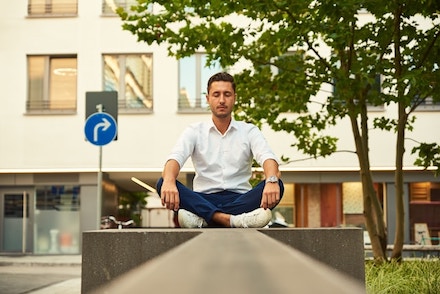
Image from Unsplash by Kristina Flour

Silence, reflection, and presence are three quiet superpowers of masterful listening.

Silence creates space; it stops us from planning our reply while the other person is still speaking.
Reflection helps us hear beneath the words, asking, “what matters most here?”
Presence keeps us fully with the person in front of us instead of checking out mentally, emotionally, or digitally.

Most people don’t feel unheard because we talk too little—they feel unheard because we listen too little.

The good news? Listening is a skill we can practice. Pause. Breath. Stay curious. Let the other person finish first.

Then respond with care, not speed. When people feel truly heard, trust grows, connections deepen, and conversations become far more meaningful.

EXERCISE:

Stephen Covey’s classic book, The 7 Habits of Highly Effective People always tops the rankings on resources for masterful listening.

Two other sources to consider are Just Listen by Mark Goulston and You’re Not Listening by Kate Murphy.

To move forward in life, it can be useful to look back to see how far you have come

To move forward in life, it can be useful to look back to see how far you have come.

—Calm App Reflection

Image from Unsplash by Meiji Lang

Progress rarely feels dramatic while we are living it. Days blur, effort seems ordinary, and we measure ourselves against where we wish we were, not where we started.

This is why looking back matters.

When you revisit old journals, recall former fears, or remember goals that once felt impossible, you see evidence of quiet growth: the miles you can run, the patience you now practice, the wisdom you carry into conversations.

None appeared overnight.

Reflection turns invisible progress into visible proof. It builds confidence without arrogance, and gratitude without complacency.

If you feel stuck, pause and take inventory of your journey.

Your past is not a weight—it is a map showing that forward is already happening for you.

EXERCISE:

Consider reading the book Mindset by Carol Dweck.

It connects past experiences to future growth by showing that abilities can improve through reflection, learning, and persistence.

If you got a do-over, what would you do differently this month? This past year?

If you got a do-over, what would you do differently this month? This past year?

—Readers Digest “Questions to Ponder”

Image from Unsplash by air focus

Most of us move so fast we rarely pause long enough to ask questions like today’s quote. Yet, reflection is where growth hides.

Would you speak up instead of staying silent?

Prioritize rest over business?

Replace worry with gratitude?

The reality is, every sunrise is a do-over — an invitation to make choices that align with who we say we want to be.

No sweeping resolutions required. Just small, conscious shifts: an apology, a walk taken, a boundary honored.

So, maybe a better question isn’t what you would redo, but why you’re waiting.

EXERCISE:

Draw a line down the center of a page. On the left, write “this month/year as lived.” On the right, “my do-over idea,” circling three choices you can still act upon going forward.

It’s easy to recognize the ups and downs of life

It’s easy to recognize the ups and downs of life. Learning to love the plateaus in our world takes a bit more practice and patience.

—Calm App Reflection

Image from Unsplash by Neo Ngoc Khan Huyen

It’s easy to notice life’s highs and lows: the wins we celebrate, the losses we mourn. These peaks and valleys grab our attention, stir our emotions, and often become the stories we tell.

But what about the plateaus — those stretches of calm, routine, and steady progress?

We often overlook these quieter moments, mistaking them for stagnation or boredom. Yet plateaus can be powerful.

They offer us time for rest, reflection, and integration. They give us gaps in our lives to consolidate our gains and prepare for what’s next.

Learning to love the plateaus takes mindfulness, patience, and trust. It means embracing the idea that growth isn’t always dramatic — sometimes it’s subtle, internal, and slow.

EXERCISE:

Today, notice your own plateau moments and ask yourself: What quiet lessons are waiting for me to receive and appreciate?

“Don’t let yesterday use up too much of today.”

“Don’t let yesterday use up too much of today.”

Will Rogers, 20th Century Cherokee-American actor & social commentator

Image from Unsplash by Kaja Kadlecova

In our journey of personal and professional excellence, it’s easy to get caught up in past experiences, whether positive or negative.

While reflection is valuable, dwelling excessively on yesterday can rob us of the precious moments we have right now.

Today is a gift, brimming with new opportunities for learning, growth, and positive change. By focusing on the present, we open ourselves to fresh perspectives and innovative solutions.

As we navigate life’s challenges, let’s remember to honor our past without being anchored by it. Instead, Let’s channel our energy into making the most of today to create even better tomorrows.

EXERCISE:

How much of your today’s are used up by your yesterdays?

How would a clean slate for each new day help you realize far more of your potential for growth and achievement?

Friday Review: Reflection

Friday Review: Reflection

How often do you step outside your routine just to reflect on your life? Here are a few related posts you may have missed.

Stop, jot, and share. Use the superpower of reflection to cement the value of the information you take in.


“It’s on the strength of observation and reflection that one finds a way.”


“Without reflection, we go blindly on our way, creating more unintended consequences, and failing to achieve anything useful.”


Winter is a time for contemplation

“Winter is a time for contemplation and quiet for balancing the inner and outer worlds.”

John O’Donohue, late Irish poet, author, philosopher

Image from Unsplash by Hide Obara

Winter is a profound time for reflective thought, stillness, and introspection.

Following the hectic rush before and during the holidays, there now seems to be a distinct lull in activity similar to nature’s entry into hibernation. The darker days and colder temperatures are causing many of us to seek cozy, quiet, and warm spaces to rest and reflect.

For me, winter is a time to release old patterns of operating to emerge in spring with a new balance and bounce in my steps as the warmer and sunnier months emerge.

EXERCISE:

In what ways do and can you use the winter months to contemplate your inner and outer worlds? How can these efforts help balance and restore you for the upcoming seasons of your life?

Without reflection, we go blindly on our way

“Without reflection, we go blindly on our way, creating more unintended consequences, and failing to achieve anything useful.”

Margaret Wheatley, American writer, speaker, and management consultant

Image from Unsplash by Medienstürmer

When it comes to learning and personal growth, many of us often miss the important step of self-reflection.

Although many of us consider ourselves good listeners and open minded, we all tend to react instead of responding to the input we receive over the course of the day.

We’re just too busy springing into action based on our previous conditioning to consider the value of pausing to re-evaluate our default approaches to getting things done.

EXERCISE:

Where in your personal or professional communities would greater reflection open your eyes and guide your efforts to achieving even more useful results in your life?

Summon your best intentions like arrows from your heart

Summon your best intentions like arrows from your heart and let them fly into your days.

—Calm App Reflection

Image from Amazon

Living with intention is described as a way of living consciously and deliberately according to one’s passions, purpose, goals, and values.

It can include simplifying your environment, engaging in mental and physical practices, and choosing where to invest your time and energy.

Today’s reflection points to our hearts as the source of their power. It is still up to us to aim them, pull back our life bows, and let them fly.

EXERCISE:

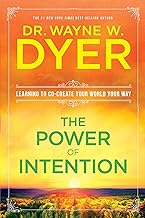
It has been over 20 years since Dr. Wayne Dyer’s book The Power of Intention was published. Consider reading or re-reading this classic and learn some of the enduring lessons of co-creating your world your way.


Where do you find yourself on the mountains of life? When is it time to rest and reflect on your view versus climbing onward?

Where do you find yourself on the mountains of life? When is it time to rest and reflect on your view versus climbing onward?

—Calm App Reflection

Image from Unsplash by Chris Holgersson

With over a month of 2024 under your belt, how far have you climbed so far?

Are your feet still on the gas pedal with your head down moving forward, or have you slowed your pace to reassess things?

When we exert ourselves, it is expected that our heart rates will increase. Along with our pulse, our rate of breathing also rises to access the energy for the effort.

Considering that both our beating heart and breathing are continuous, lifelong functions, it is interesting to note that there is always a pause — however brief — between them, to have our bodies work optimally.

EXERCISE:

How often do you stop or slow down to rest and reassess your place in the world?

How and where would doing so help you grow and enjoy many more views along the way?