Realize that if a door closes, it’s because what was behind it wasn’t meant for yo

“Realize that if a door closes, it’s because what was behind it wasn’t meant for you.”

—Mandy Hale, Blogger turned New York Times best-selling author and speaker

Image from Unsplash by Sheldon Kennedy

A closed door can feel like a personal rejection. The job you wanted goes to someone else. A relationship ends. An opportunity disappears just as you begin to picture your future inside it.

But not every “no” is a loss. Sometimes it is protection. Sometimes it is redirection.

And sometimes, it creates the space you need to discover what you truly value.

Rather than repeatedly knocking on a door that has closed, pause and ask: What is this experience teaching me about myself? What new path can I see now?

You may not understand the reason today. Yet one day, you may look back with gratitude for the door that would not open.

EXERCISE:

What life lessons have you learned over the years by facing closed doors?

Where are you facing such obstacles today?

What’s your next move forward to discover the future that is truly meant for you?

Do what you feel in your heart to be right, for you’ll be criticized anyway

“Do what you feel in your heart to be right, for you’ll be criticized anyway.”

—Eleanor Roosevelt, longest serving First Lady of the United States

Image from Unsplash by Vitaly Gariev

Criticism is often less about your choices than it is about other people’s fears, expectations, and unfinished dreams.

If you stay silent, someone may call you timid.

If you speak up, someone may call you difficult.

If you change, someone may say that you have become selfish.

So let criticism lose its power to steer your life.

Listen for useful feedback, of course—but do not hand strangers the map to your purpose.

Pause long enough to ask: What choice will let me respect myself tomorrow? Then act with courage, humility, and conviction.

You cannot control every opinion. You can control whether your decisions reflect your values.

Choose the path that feels honest and step forward into your truth.

EXERCISE:

Consider reading You Learn by Living (1960). It presents much of Eleanor Roosevelt’s practical philosophy for living.

Its central message is not to wait until you feel fearless and to learn through full engagement with life.

Culture is built on the stability of persistence

“Culture is built on the stability of persistence.”

—Seth Godin, American entrepreneur, author and public speaker

Image from Amazon

Culture is not built in a single celebrated moment. It is formed through the quiet repetition of what people choose to honor, practice, teach, and protect—especially when no one is applauding.

A community becomes trustworthy when its values survive inconvenience.

A family becomes strong when care is shown consistently.

A workplace becomes healthy when respect is not a slogan but a daily habit.

Persistence gives principles deep roots. Trends may capture attention, but steady actions shape identity.

The rituals we repeat, the stories we preserve, and the standards we refuse to abandon become the invisible architecture of a culture.

Ask yourself: What are you practicing often enough for others to call it “the way we do things here”?

Culture follows consistency.

EXERCISE:

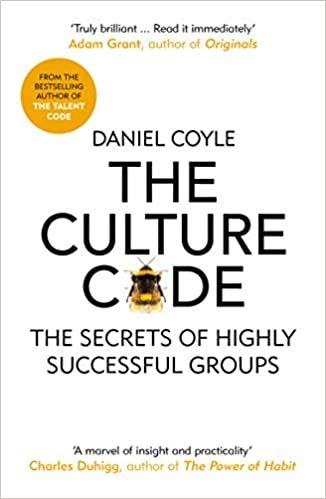
Consider reading The Culture Code by Daniel Coyle. He also wrote The Culture Playbook, which offers sixty concise actions and exercises for building trust, cohesion, and purpose through everyday habits.

All things change in time. Embrace this fact and learn to surf its waves for the ride of your life.

All things change in time. Embrace this fact and learn to surf its waves for the ride of your life.

—Calm App Reflection

Image from Unsplash by Keaton Dickinson

Nothing stays fixed—not your fears, your successes, your relationships, or even the version of yourself you believe is permanent.

Change can feel like a threat when we cling to the familiar, yet it is also the force that makes renewal possible.

Every ending clears space.

Every detour teaches balance.

Every difficult season proves that you can endure more than you once imagined.

The question is not whether or not life will change—it will.

The question is whether you will fight the current, or learn to ride it.

Surfers do not command the oceans. They watch, prepare, adjust, and move with their energy.

You can do the same.

Meet change with curiosity, stay rooted in your values, and let each new wave carry you toward a wider, wiser life.

EXERCISE:

If you want to meet change with courage rather than merely “get through it” consider reading Master of Change by Brad Stulberg and Transitions by William and Susan Bridges.

Together, they offer both a contemporary resilience mindset and maps of the emotional experience of letting go and beginning again.

Friday Review: REFLECTION

Friday Review: REFLECTION

How often do you step outside your routine just to reflect on your life? Here are a few related posts you may have missed.

It’s easy to recognize the ups and downs of life. Learning to love the plateaus in our world takes a bit more practice and patience.


Summon your best intentions like arrows from your heart and let them fly into your days.


Contemplate your monk mind instead of your monkey mind.


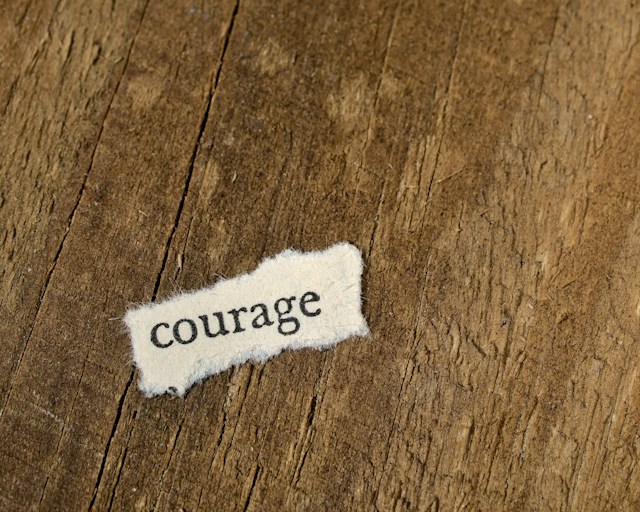
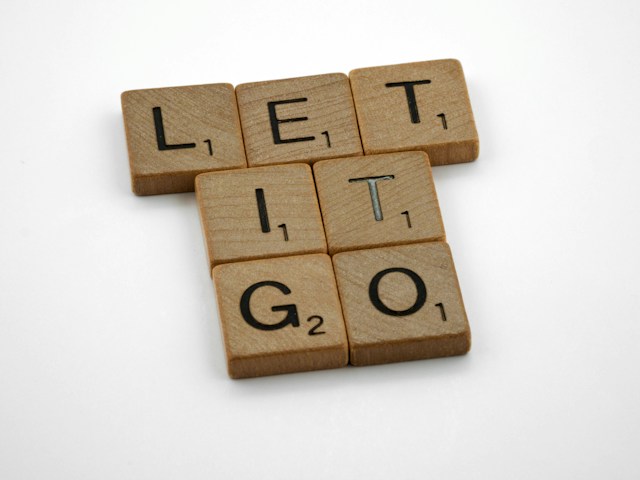
“Courage is the power to let go of the familiar.”

“Courage is the power to let go of the familiar.”

—Raymond Lindquist, 20th Century Presbyterian Pastor

Image from Unsplash by Michael Dziedzic

Courage is not always a roar or a dramatic leap. Often, it is the quiet willingness to release what once felt safe: an old identity, a predictable routine, a relationship pattern, or a story about what you can and cannot do.

The familiar can be comfortable even when it no longer helps us grow.

We may cling to it because uncertainty feels dangerous, but staying too long in what is known can become its own kind of risk.

Letting go does not mean rejecting your past. It means honoring what it taught you without allowing it to decide your future.

EXERCISE:

What familiar things are you holding on to because they feel safe, rather than because they truly serve you?

How can and will you let go and find the courage to make room for what’s next?

Some burdens become gifts—but only after we’ve set them down.

Some burdens become gifts—but only after we’ve set them down.

—Stephen St. Amant, Author of the Savenwood Blog

Image from Unsplash by Brett Jordan

Some burdens teach us before they leave us:

  • A disappointment can reveal our resilience.
  • A difficult season can deepen our compassion.
  • A responsibility we carry too long can show us where our boundaries belong.

But pain does not become meaningful simply because we endure it. Sometimes we must put it down before we can understand what it gave us.

We cannot clearly see the lesson while our hands are clenched around the weight.

Setting down a burden is not weakness, denial, or forgetting. It is an act of wisdom. It creates space to breathe, heal, and recognize the strength we developed along the way.

EXERCISE:

What are you still carrying that has already taught you what you needed to learn?

How can you release it to discover the gift that is waiting beneath the relief?

All progress is practice, and all practice is progress

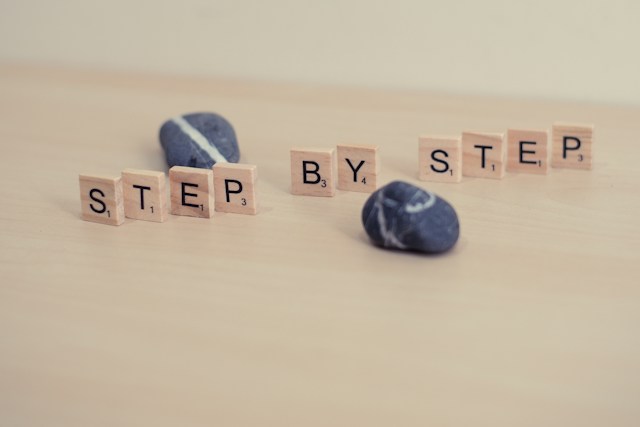
“All progress is practice, and all practice is progress.”

—Robert Louis Stevenson, 19th Century essayist, poet and author

Image from Unsplash by Kaja Kadlecova

Progress rarely arrives with applause. More often, it looks like one more conversation with greater patience, one more walk taken when motivation is low, one more attempt after an awkward beginning.

We tend to treat practice as the space before progress: the repetitive, unglamorous work we must endure to get somewhere meaningful.

But what if practice is progress? Every repetition strengthens a skill, a habit, a relationship, or a belief about what is possible.

    • The imperfect draft is progress.
    • The difficult apology is progress.
    • The ten minutes of movement, the listening pause, the choice to begin again.

    Each count!

    EXERCISE:
    In what ways can you choose practice over performance? How can the small, faithful actions you repeat daily become evidence of your growth?

End on a high note.

“End on a high note.”

—Inspired by a post by Gabe Anderson

Image from Unsplash by Logan Voss

Ending on a high note isn’t luck—it’s design.

Psychology shows we remember experiences by their peak and their finish, not their length. That means your last moments of interaction shape the story people and you carry forward.

Whether it’s a meeting, a workout, or a hard conversation, ask yourself: What’s the strongest, most positive note I can land on right now?

A sincere thank-you, a clear next step, or a moment of shared laughter can transform an ordinary ending into a far more memorable one.

EXERCISE:

Be extra intentional with your interactions today. How can and will you make them even more impactful and memorable?

“Every morning the rising sun invites and inspires us to begin again.”

“Every morning the rising sun invites and inspires us to begin again.”

—Debasish Mridha, entrepreneur, philanthropist and author

 Image from Unsplash by Elena Rabkina

Each dawn is a gentle reset button, washing yesterday’s stumbles in golden light.

The sun does not scold us for missed steps—it simply returns, dependable and radiant, offering a fresh canvas for courage, kindness, and purpose.

Sunlight is free but renewal is a choice.

EXERCISE:

What habit, relationship, or goal deserves a fresh start today?