We become not a melting pot but a beautiful mosaic

“We become not a melting pot but a beautiful mosaic. Different people, different beliefs, different yearning, different hopes, different dreams.”

Jimmy Carter, 39th President of the United States

Image from Unsplash by Shayan Ghiasvand

Today’s quote offers a liberating vision — that unity doesn’t require sameness.

A melting pot dissolves differences until only one flavor remains.

But a mosaic? It celebrates contrasts!

Each tile, unique in color and shape, adds dimension to the whole.

Maybe our challenge isn’t to blend in but to shine where we stand — to let our piece of glass, our voice, our story reflect light.

Our strength has always been diversity aligned with shared purpose. The artistry lies not in melting, but in fitting together beautifully.

EXERCISE:

What are some ways that you can notice, honor, and invite differences in others this week?

Consider engaging a coworker with opposite views, try a new cultural dish, or attend an event outside your comfort zone.

“Being assertive means being able to have your needs met while still interacting with great sensitivity to those around you.”

“Being assertive means being able to have your needs met while still interacting with great sensitivity to those around you.”

Greg Harden — Late American Performance Coach

Image from Unsplash by Karina Lago

Being assertive is not becoming louder, it’s about becoming clearer.

Most of us were trained to abandon our needs to avoid rocking the boat. Then we resent the very people we’ve silently trained to overlook us.

Assertiveness is the rebellion against that quiet self-betrayal. It says, “My needs matter too — and I am determined to voice them without crushing yours.”

When you speak up with calm strength, you don’t become selfish; you become honest.

You stop leaking frustration in sighs, sarcasm, and nuance. You start negotiation, not manipulating.

Being assertive is the radical act of standing firmly in your truth while keeping your heart open to the truths of others.

EXERCISE:

In what ways can you apply being assertive in a new light?

How would doing so help you better advocate for your beliefs and needs while still being sensitive to those around you?

Your first task is to find what feels effortless

“Your first task is to find what feels effortless to you. Your second task is to put maximum effort into it.”

James Clear, American Self-Help Writer

Image from Unsplash by Moises Alex

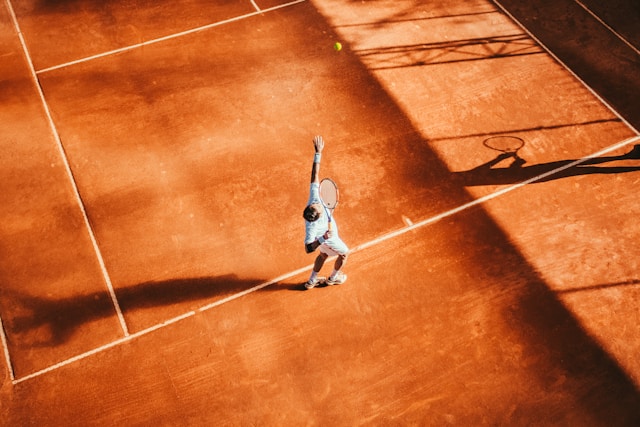
As a child, Serena Williams found tennis effortless — her movements on the court felt natural, almost like play.

Encouraged by her father, she recognized this gift early, but Serena didn’t stop at talent. She poured maximum effort into every practice, waking before dawn to train, pushing through setbacks and injuries.

Her combination of natural ability and relentless hard work transformed her into one of the greatest athletes of all time. Her story shows that true success comes not just from finding your strengths, but from dedicating yourself fully to developing them.

EXERCISE:

In what areas of your personal and professional life does today’s quote apply to you?

Consider reading Now Discover Your Strengths by Marcus Buckingham to broaden your capacities for excellence and personal mastery.

What are your unique qualities and how do you honor them?

What are your unique qualities and how do you honor them?

—Calm App Reflection

Image from Unsplash by freestocks

To what degree are you your own worst critic?

How often do you drone on to yourself and others and see yourself as inadequate?

In what areas are you simply not (fill in the blank) enough to meet your own standards or the bar set for you by the world?

Although this kind of thinking can sometimes spur us on toward greater achievements, it most often keeps us small and causes us to hide, limiting ourselves and the contributions we could make.

EXERCISE:

Who are the people that know you best? Ask them to share and acknowledge your most unique and positive qualities.

How can and will you embrace and honor those qualities and lower the volume on your inner critic?

Three books that can help you honor your unique qualities are:
Taming Your Gremlin by Rick Carson
Now Discover Your Strengths by Marcus Buckingham and Don Clifton PhD
Originals by Adam Grant


“So much of the development of mental strength flows from our ability to normalize adversity.”

“So much of the development of mental strength flows from our ability to normalize adversity.”

Rohan Rajiv, Author of A Learning a Day Blog

Image from Unsplash by Aziz Acharki

Over the years writing this blog I’ve reference a book titled The Power of Full Engagement numerous times.

A key premise of its content is to expand one’s ability to increase their physical, mental, emotional, and spiritual energies.

Consider replacing the word energy with strength.

Where are you experiencing adversity in your life?

How are you being challenged and tested in your personal and professional pursuits?

Where are you feeling resistance and a sense of being stretched beyond what’s comfortable?

How do these situations actually increasing your overall strength, capacities, and resilience?

EXERCISE:

Read or re-read The Power of Full Engagement. Consider how normalizing adversity has actually supported your growth and development.

Feel free to reply to this post with some examples from your own life.

With a new day comes new strength and new thoughts.

“With a new day comes new strength and new thoughts.”

—Eleanor Roosevelt, First Lady of the United States 1933–1945

Image from Unsplash by Dyu-Ha

A few weeks ago my wife, daughter, and grandchildren took a road trip back to Michigan to reconnect with some of our closest friends. Even with a rooftop carrier there was simply no room for me in the little SUV.

This “bachelor time,” as they called it, allowed me to do as I pleased, including binging a Netflix show called Alone.

Now in its eighth season, this reality program places ten expert survivalists in some of the most remote places on the planet to carve out a way of life without any human interactions except for periodic medical checks.

It was surprising to note how with all their adversities including loneliness, starvation, and many real dangers—including grizzly bears—most participants held out far longer than even they expected.

EXERCISE:

How does waking up each morning help you think and act with new strength and optimism about the day ahead?

One small crack does not mean you are broken

“One small crack does not mean you are broken, it means that you were put to the test and you didn’t fall apart.”

—Linda Poindexter, @PoindexterLinda on Twitter

Image from Unsplash by Johnny Cohen

In professional sports virtually all athletes play hurt on some or many occasions. Aches, pains, strains, and sprains are the price of their efforts to excel. We loyal fans cheer them on as they continue to test themselves and pursue victory.

Over the past two months I’ve been going to physical therapy to strengthen my right knee, which has been causing me some pain and instability.

During my regular visits I’ve met dozens of other patients who also have experienced a variety of physical setbacks.

It’s been nice to see all of them progressing with the targeted therapies and supportive staff assisting their efforts.

EXERCISE:

Where are you noticing a few cracks in your personal armor?

Where and how is life testing you?

How can you acknowledge the champion spirit within that has you continue to suit up and get back in the game?

The chief prevention against getting old is to remain astonished

“The chief prevention against getting old is to remain astonished.”

Kevin Kelly, founding executive editor of Wired magazine

Image from Unsplash by Esther Ann

Regardless of your age, how do you stay young at heart?

The other day I was feeling my age and didn’t like it very much.

I’m reading Arthur Brooks new book From Strength to Strength, and I’ve reached the chapters where he describes the overwhelming evidence of how we decline from our peak capabilities far sooner than we care to admit.

Putting our heads down and striving even harder is usually not the answer and often compounds our frustrations.

There is considerable evidence that life satisfaction for many people tends to increase once they shift their attention from personal success to a life of significance where they pour their skills and wisdom into others.

Doing this type of work as a coach for many years keeps my moments of astonishment coming and, on most days, puts pep in my steps.

EXERCISE:

What are the activities that astonish you with excitement and wonder?

How and where can you engage in more of these to remain forever young?

Friday Review: Strength

Friday Review: STRENGTH

What are your strengths? Here are a few related posts you may have missed.

“Be strong enough to stand alone, smart enough to know when you need help, and brave enough to ask for it.”


“Nothing has more strength than dire necessity.”


“He that wrestles with us strengthens our nerves and sharpens our skills. Our antagonist is our helper.”


“Draw strength from others.”

“Draw strength from others.”

—Cheryl Strayed, Author of Tiny Beautiful Things

Image from Unsplash by Neil Thomas

To what degree do you consider yourself the rock in your family or community?

How often are you the one to come to the rescue or lend that helping hand in your personal and professional worlds?

About 20 years ago, I overextended myself through a rigorous workout, resulting in a significant case of sciatica. It caused severe back and leg pain, and I missed many days of work.

Beyond the physical pain, I took a very unfamiliar emotional ride, which included frustration, anger, and even a sense of worthlessness. My normal optimistic view on life was flipped, and I did a fair job of playing the “Why Me” victim card.

Surprisingly, letting others serve and support me through it was very difficult. Frequent thoughts of “That’s my job,” or “I’m supposed to do that,” ran through my head.

Eventually, someone must have turned on my gratitude switch, allowing me to more fully accept and embrace many acts of kindness and generosity from family and friends.

EXERCISE:

When in the past, or recently, have you been reluctant to seek the support of others?

How and in what ways may you more fully seek and draw on the strengths of others in your personal and professional communities?