“Govern thy life and thy thoughts as if the whole world were to see the one and read the other.”

“Govern thy life and thy thoughts as if the whole world were to see the one and read the other.”

—Thomas Fuller, 17th Century English Churchman/Historian
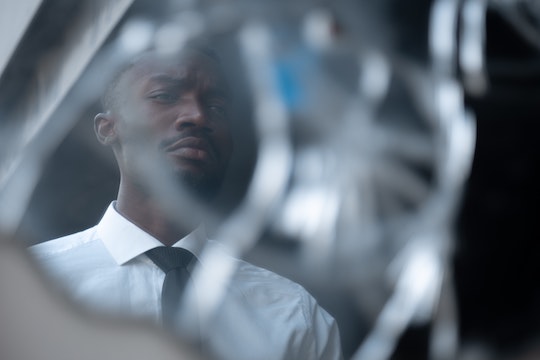
Image from Unsplash by Deniz Göçmen

What have you been doing these days? What have you been thinking about over the past few months? How pleased are you by what you and the world are seeing in your efforts and overall character?

Comparing oneself to others can be a slippery slope with a considerable down side. But examining the best qualities of others can be an excellent form of coaching by the example certain individuals set for us to emulate.

Look for the qualities of generosity, compassion, empathy, kindness, and courage as these individuals navigate their days to serve their communities while – hopefully – taking care of their own well being.

EXERCISE:

When you look in the mirror tonight, observe how pleased you feel about how you spent your day. What tweaks or significant adjustments to your actions and thinking will generate greater satisfaction when you look in the mirror tomorrow?

“Look on every exit as being an entrance somewhere else.”

“Look on every exit as being an entrance somewhere else.”

—Sir Tom Stoppard, British playwright and screenwriter

How has your life changed over the last few months? Where have you exited from the familiar aspects of your pre-COVID-19 life, into uncharted waters? What have you done to right your ship and chart your course forward as you enter each new day?

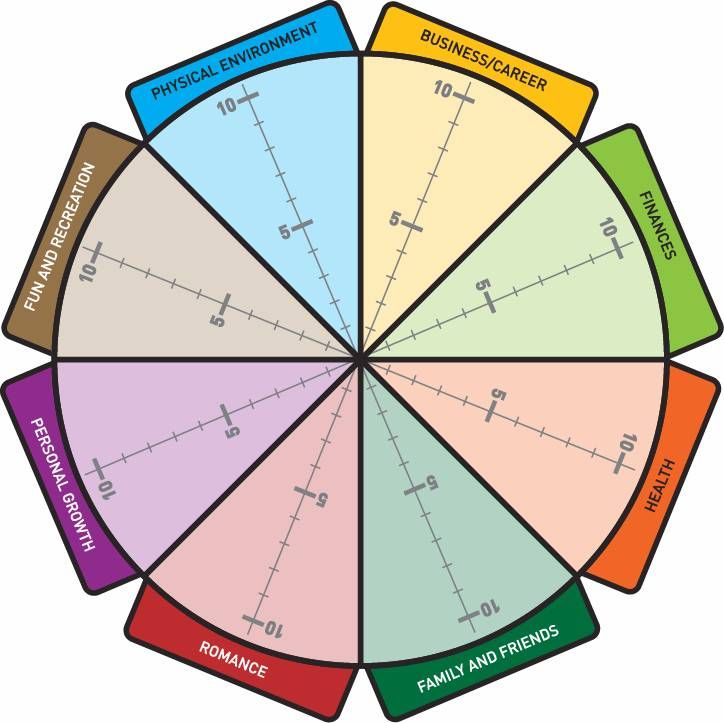
A tool coaches often use with their clients in the development of goals is called the Wheel of Life, in which each spoke represents a priority in one’s life. The list can be modified based on your areas of greatest importance:

• Family • Relationships • Health • Finance • Adventure
• Spirituality/Faith • Work/Profession • Community • Personal Growth • Learning

EXERCISE:

Consider discussing your own life priorities with family, friends, colleagues, mentors, a coach, or other trusted adviser to more fully explore your own transitioning efforts of exits and new entrances.

How can the support of these individuals help you live a more full and meaningful life?

Friday Review: Action

FRIDAY REVIEW: ACTION

What prompts you to take action? Here are a few action-related posts you may have missed.


“Our doubts are traitors and make us lose the good we oft might win by fearing to attempt.”


“Don’t judge each day by the harvest you reap but by the seeds you plant.”


“The problem with doing nothing is not knowing when you are finished.”


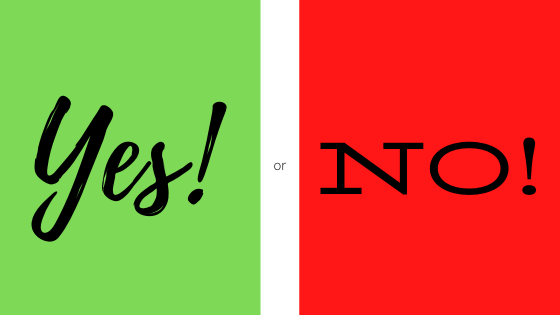
“The oldest, shortest words – Yes and No – are those which require the most thought.”

“The oldest, shortest words – Yes and No – are those which require the most thought.”

—Pythagoras, ancient Greek philosopher

We can learn a lot from babies and toddlers as they begin taking in the world through their senses. They begin their ability to use language even before their first Yes or No. Their cries and coos let us know what they do and don’t want in their lives.

As we age, our Yes’s and No’s are two of the most critical influences on how we spend our lives and who we spend them with. This is especially so when we are launched into the world beyond parental and social influences such as school.

EXERCISE:

How much thought do you give your current Yes’s and No’s? What criteria or inner compass do you use to influence and guide these life-altering choices?

How can and will you be even more discerning with these two little words, now and in the future?

“Be brave enough to start a conversation that matters.”

“Be brave enough to start a conversation that matters.”

—Author Unknown

Image from Unsplash by Fran Hogan

In times of considerable uncertainty, I have noticed tremendous bravery in people.

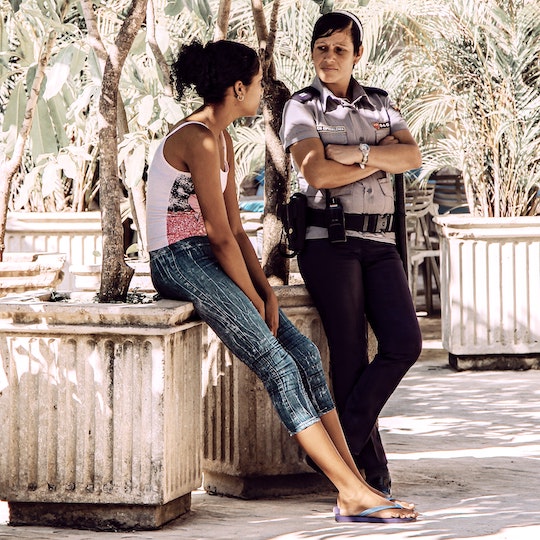
We expect bravery in our armed services men and women, our police force, firefighters, Emergency Medical personnel, and other first responders.

These days medical professions and the array of other “essential” workers that support them are also putting themselves on the line.

What brave conversations must be had to mobilize the dramatic decisions and bold actions taken to protect and serve one another and all of our communities?

EXERCISE:

What conversations in your personal or professional community are to be had that will make the difference you wish to make?

Select one such conversation in which you will summon the necessary level of bravery today.

“Life is actually an essay, not a series of responses to someone else’s agenda.”

“Life is actually an essay, not a series of responses to someone else’s agenda.”

—Seth Godin, American Author

Image from Unsplash by Thought Catalog

In order to flatten the curve of the COVID-19 pandemic, most schools and other learning institutions closed for the year.

Once the initial “extended summer vacation” excitement wore off and the reality set in, we were given an extremely important assignment.

Our homework is to write and experience the next chapters of our life stories. Some of us might look to the limitations and constraints. But we can also see new levels of creativity, innovation, and freedom to express ourselves through the amazing examples set by others in our various communities.

EXERCISE:

What will you include in your Hero’s Journey essay? How can you continue to influence your communities, expand your capabilities, and make an even more purposeful difference in the world?

What would happen if more of us put down the remote and picked up our pens to pursue our personal agenda?

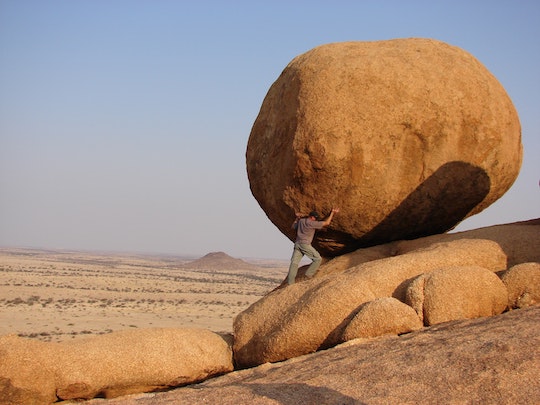
“Nothing has more strength than dire necessity.”

“Nothing has more strength than dire necessity.”

—Euripides, classic Greek tragedian

Image from Unsplash by Vicky Sim

It is so sad that in order to see man at his best we often need a crisis to occur.

When lives are on the line, new levels of extraordinary courage and strength are found and mobilized.

Almost every newscast ends on positive notes of heroism, acknowledging this capacity in select individuals, hopefully to engender this quality within us all. In this way, our own strength and inner heroes are aroused to come to the rescue of those in our personal and professional communities who are in need.

What will happen when the dust settles on the pandemic and we get back to whatever “normal” may look like mentally, emotionally, spiritually, and economically?

How might we maintain our individual and collective strength when things are a bit less dire?

EXERCISE:

What new or greater capacities have you discovered in yourself and within your communities?

How can and will you expand and build on these to proactively better your individual and our collective world in the good and not so good times ahead?

Friday Review: Acceptance

FRIDAY REVIEW: ACCEPTANCE

What is the hardest part of acceptance for you? Here are a few posts related to acceptance you may have missed.


“Accept this moment as if you had chosen it.”


“Refusing to ask for help when you need it is refusing someone the chance to be helpful.”


“Patience is the calm acceptance that things can happen in a different order than the one you have in mind.”

“What are you secretly working on today?”

“What are you secretly working on today?”

—Author Unknown

Image from Unsplash by Valery Sysoev

What do you dream or daydream about? What have you noticed about your wandering mind? Where does it go?

How much time do you spend shifting your focus from the matters at hand, seemingly pulled by invisible forces in new directions?

What would happen if you shifted your perspective to one in which dreaming and daydreaming were your job, and you took extra time and care to focus there more consistency?

Where might exercising your subconscious mind produce many wonderful and surprising benefits?

EXERCISE:

How might the practices of greater mindfulness and capturing these secret journeys in a notebook expand your efforts to work in new productive and meaningful ways?

Consider sharing these secret work efforts with a family member, friend, colleague, mentor or coach to gain additional social support. Of course, at this point it won’t be a secret any more.

“Look and you will find it – what is unsought will go undetected.”

“Look and you will find it – what is unsought will go undetected.”

—Sophocles, ancient Greek tragedian

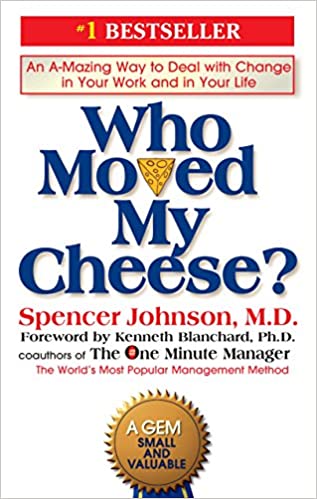
COVID-19 moved our cheese. What was familiar and predictable months ago was suddenly no longer so, and we’ve all felt the loss.

Although these various forms of loss cause much pain, we can all take a lesson from the mouse in the classic business book, Who Moved My Cheese? Going through its maze one day, taking its traditional route, the mouse did not find the cheese he expected. Noticing this, the little guy fairly quickly changed his route to seek his reward elsewhere.

EXERCISE:

What are some of the new ways that you and others in your communities have adapted, adjusted, and expanded your cheese-finding efforts? What new opportunities and possibilities have you discovered and realized?

Feel free to reply to this post with some approaches that are working for you.