“We are what we repeatedly do. Excellence, then, is a habit.”

Image of hands holding up letters of "Excellence"“We are what we repeatedly do. Excellence, then, is a habit.”

– Socrates

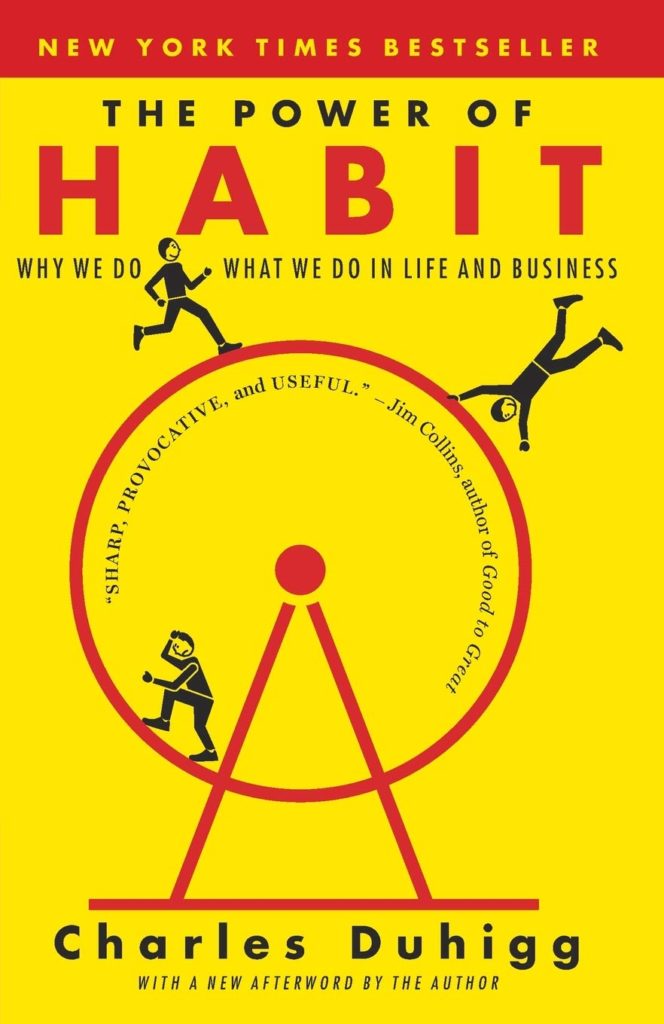
Over 95% of New Years Resolutions never come to pass. Inertia keeps things much the same. When change does come, it is often from outside us … and it is often unwelcome.

Exercise:

Here’s a simple three-step process to bring the discipline of personal excellence into your life:

1. List two or three things you really, really desire.

2. Identify the vital behaviors that are essential to achieving these desires.

3. Engage in these behaviors every day for a minimum of three weeks. Design as many social and structure supports as you can, in order to help you stay the course.


To the world, you may be one person

“To the world, you may be one person, but to one person you may be the world.”

—attributed to Brandi Snyder

Image of a parent and child

Photo by Daiga Ellaby on Unsplash

One of the greatest sources of life satisfaction for many of us is the desire to make a difference.

I’m not talking about leaving a monument to your success or an achievement noticed by many. I’m referring to the difference we make in the lives of others, by being parents, colleagues, mentors, and yes, coaches.

It seems that the more we give to others in these areas, the more we receive.

Exercise:

Who in your life means the world to you? Who are the people who have made this impact in your life?

Look for ways to be intentional about fostering such relationships, and other ways to show your gratitude for them.

We build too many walls and not enough bridges

“We build too many walls and not enough bridges.”

—Sir Isaac Newton, 17th Century English Astronomer

Image from Unsplash by Mark Basarab

Walls separate and protect. Bridges join and connect. What walls have you built around yourself, your family, or your organization to seemingly protect yourself? You may have found that they actually separate you from others, to the point of disconnection, loneliness, and seclusion.

We live best in community, and bridges help us come together to create more than we could manage on our own.

Exercise:

What are the bridges you need to build or repair?

What are the walls in your life that need to be removed or torn down? If you can’t tear them down completely, can you at least add a window or door?

Kites rise highest against the wind not with it

“Kites rise highest against the wind, not with it.”

– Winston Churchill

Image of two kites in the air

Image from Unsplash by Bill Fairs

Life is stress. Life is adversity. Life has its challenges. Life has its potholes, its storms, even just its cloudy days.

As you take on these obstacles and challenges, how can you rise and find peace, smooth travels, and sunny days?

To find the grace and blessing life has to offer, we need to meet each day with our very best.

Exercise

What challenges, obstacles and barriers are you dealing with today? How will you rise to these challenges and let your life soar?

Time is the coin of your life

“Time is the coin of your life. It is the only coin you have, and only you can determine how it will be spent.”

– Carl Sandburg

Image of a watch and coinsWhen we are young, we believe that we have an unlimited amount of time. Who cares if we waste a day – a week – a month – a year?

We trade our time for money, and as we pine for more and more things, we often get caught up in a vicious cycle. It starts to feel as if time is running out.

If you’re lucky enough to live for 82 years, how many hours will that be? How many days? How many weeks? How many months? When you do the math, you can work out what an hour, day, week, month, or year is truly worth to you.

82 years works out to around 30,000 days, 4,200 weeks, and less than 1,000 months. If you’re 40 years old, you have around 500 months left.

Exercise:

Imagine a big jar with 4,200 quarters. Each week, you take one quarter out. That’s your life being used up.

What changes will you make today to spend your time more wisely?

“The greater danger for most of us lies not in setting our aim too high…”

“The greater danger for most of us lies not in setting our aim too high and falling short, but in setting our aim too low and achieving our mark.”

– Michelangelo

Image from Unsplash by AJ Yorio

I guess spending five years painting the ceiling of the Sistine chapel is an example of reaching consistently for new heights. In fact, most of Michelangelo’s works are examples of extraordinary achievements.

  • What have been your proudest moments in life?
  • Where have you dared to achieve greatness, or a higher purpose?
  • How did stretching or reaching for these seemingly out of reach goals help you grow?

Even if we fail on attempt after attempt, we can try again.

Exercise

Where in your professional or personal life are you playing too small and too safe?

What goals in your life are worth greater risk, even the risk of failure?