Letting go is hard, but holding on is harder.

Letting go is hard, but holding on is harder.

—Zen Teaching

Image from Unsplash by Chip Vincent

We clutch old fears, grudges, and stories like lifelines, not realizing they’re the weight that keeps us from surfacing.

The mind whispers, “what if I need this later?” Yet every clinging thought drains the energy we could spend creating something new.

Freedom doesn’t come from fixing the past—it comes from loosening our grip on it.

In Zen, letting go isn’t giving up; it’s waking up. The hands that release are the same that can finally build love and live again.

So, ask yourself today: what are you gripping so tightly that it’s cutting off your circulation?

EXERCISE:

In what areas of your life are you clinging to old disappointments, identities, resentments, and expectations as if they somehow offer you safety?

How can you embrace the idea that letting go isn’t about forgetting or surrender—it’s about trusting that something truer waits beyond our grasp?
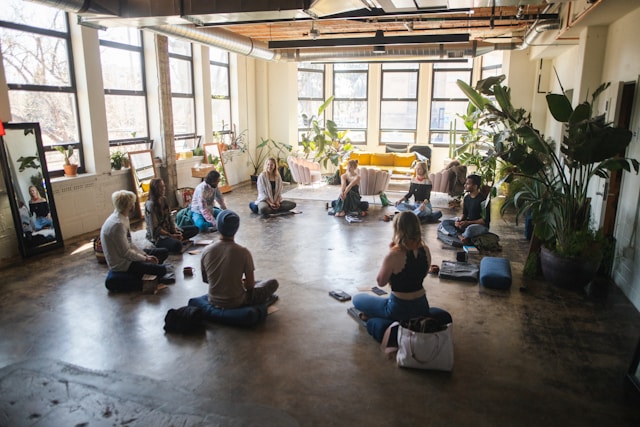
In meditation and in life, it’s good to let life unfold in the unlimited space of our awareness

In meditation and in life, it’s good to let life unfold in the unlimited space of our awareness

—Calm App Reflection

Image from Unsplash by Dillon Wanner

In meditation we are often tempted to control experience, to quiet the mind, fix the breath, achieve something.

But awareness itself asks for none of these. It is already wide enough to hold every thought, sensation, and emotion without strain.

What if life worked the same way?

Instead of tightening around outcomes, we could allow moments to arise, unfold, and dissolve within us.

This does not mean passivity — it means participation without grasping.

When we trust the spaciousness of awareness, reactions soften into responses.

Urgency loosens into clarity.

We stop forcing life into shape and begin witnessing its natural intelligence at work.

EXERCISE:

Engage in an open awareness pause:

Set a timer for 2-3 minutes. Instead of focusing on breath or thoughts, simply notice everything at once — sound, sensations, emotions, thoughts.

Let them come and go without choosing or rejecting. Practice allowing, not directing.

“To be trusted is a greater compliment than being loved.”

“To be trusted is a greater compliment than being loved.”

George MacDonald, 19th century Scouting author, poet, minister

Image from Unsplash by Alex Shute

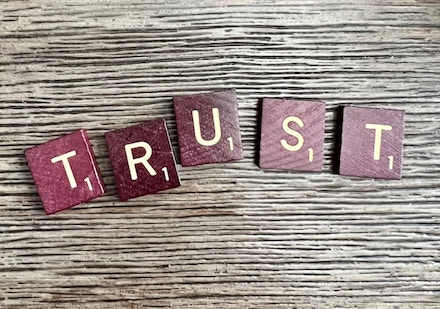
Love can be given freely and often flows from emotion. But Trust?

Trust is earned, tested, and proven over time. It asks for integrity when no one is watching, honesty when it’s inconvenient, and reliability when others might give up.

When someone loves you, they feel drawn to your heart.

When they trust you, they hand you a piece of their life, believing it will be safe in your hands.

Love can warm relationships. Trust strengthens them.

To live so that others find you trustworthy isn’t just a compliment — it’s a calling.

It means your character has outshone your charm.

EXERCISE:

How trustworthy are you?

To what degree have you built your character through consistency, honesty, and follow-through to become a person others can always depend on?

How will you let your actions, not just your words, earn greater trust today and into the future?

https://www.youtube.com/watch?v=Q79wgkLGeM4

Friday Review: EMOTION

Are you “in touch” with your emotions? Here are a few related posts you may have missed.

“Feelings are much like waves. We can’t stop them from coming but we can choose which ones to surf.”


“As soon as you trust yourself, you will know how to live.


Separate your notions from your emotions.


Listening is a magnetic and strange thing

“Listening is a magnetic and strange thing, a creative force…”

Karl A. Menniger, 20th Century American psychiatrist, author, and activist

Image from Unsplash by Joel Danielson

Full Quote: “Listening is a magnetic and strange thing, a creative force. The friends who listen to us are the ones we move toward. When we are listened to, it creates us, makes us unfold and expand.”

_____

Listening to others is a powerful tool that attracts people to us and also helps them grow.

When we genuinely listen, we show that we value and respect their thoughts and feelings.

This creates a sense of connection and trust, drawing people closer.

By actively listening we also help others clarify their ideas and gain new insights, which can expand their potential and foster personal growth.

As they feel heard and understood, they become more confident and motivated to explore new possibilities.

These mutual benefits strengthen relationships and inspire positive change, making listening a simple yet profound way to build connections and empower others.

EXERCISE:

How can you expand your view of listening as a powerful creative force? In what ways can you more fully develop this skill to both attract others and bring out their best?

“Trust is earned in drops and lost in buckets.”

“Trust is earned in drops and lost in buckets.”

—Attributed to several people, including Kevin Kelly and Keven Plank

Image from Unsplash by Darko Kriznik

Today’s quote is a poignant reminder of the delicate nature of trust.

Building trust requires consistent effort and reliability, with each small act contributing to a reservoir of faith.

Even a single betrayal, however, can drain this reservoir instantly, highlighting how fragile trust can be.

This principle underscores the importance of maintaining integrity and transparency in our relationships.

By recognizing the value of trust and the ease with which it can be lost, we can strive to nurture it with care and honesty, fostering stronger and more resilient personal and professional connections.

EXERCISE:

Consider reading The Speed of Trust by Stephen Covey and The Trusted Advisor by David H. Maister.  I’d also be happy to send you a copy of my trust-o-meter assessment if you email me at barry@dempcoaching.com

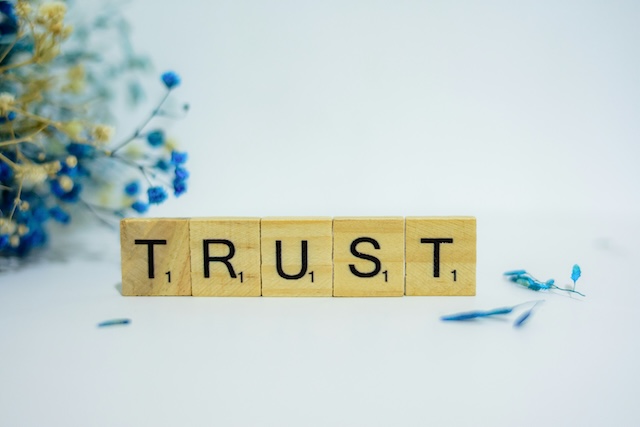
Friday Review: TRUST

Friday Review: TRUST

How trusting are you? How trust-worthy are you? Here are a few related posts you may have missed.

“Trust is earned when actions meet words.”


Explore your trustworthiness. From there look for this and other similar qualities in yourself and others.


“It’s a real pleasure to earn the trust of your customers slowly over time by doing what’s right.”


Trusting in your natural intelligence and capacities

Trusting in your natural intelligence and capacities to navigate life can be a source of great confidence.

—Calm App Reflection

Image from Unsplash by Courtney Cook

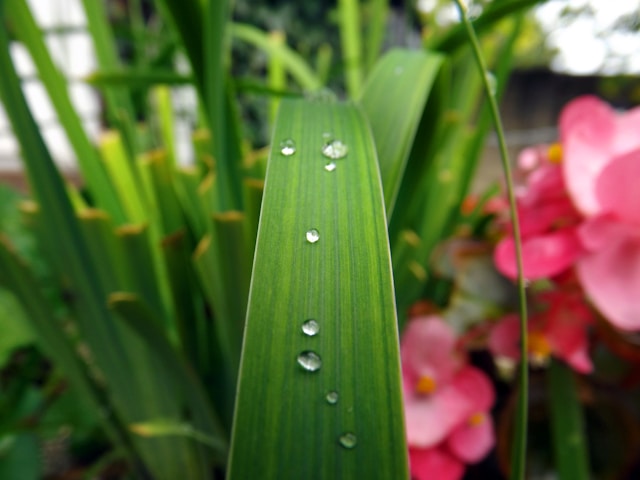
How often do you lean on others to make it through your day? How frequently do others lean on you to do the same?

Regardless of your answer, if you are reading this post, you’ve made it this far and will likely do so in the future. What have you accomplished along the way?

What obstacles and setbacks have your worked around and overcome?

Exploring these questions may have offered you a booster shot of confidence by recognizing your natural intelligence and capacities to navigate life.

How can you remind yourself in the future when self-doubt creeps in?

EXERCISE:

What internal and external support structures can you use to maintain and expand your store of confidence?

How can you serve as a coach or mentor to support the confidence of others in your communities?

“Trust is built in drops but lost in buckets.”

“Trust is built in drops but lost in buckets.”

Kevin Kelly, founding executive editor of Wired magazine

Image from Amazon

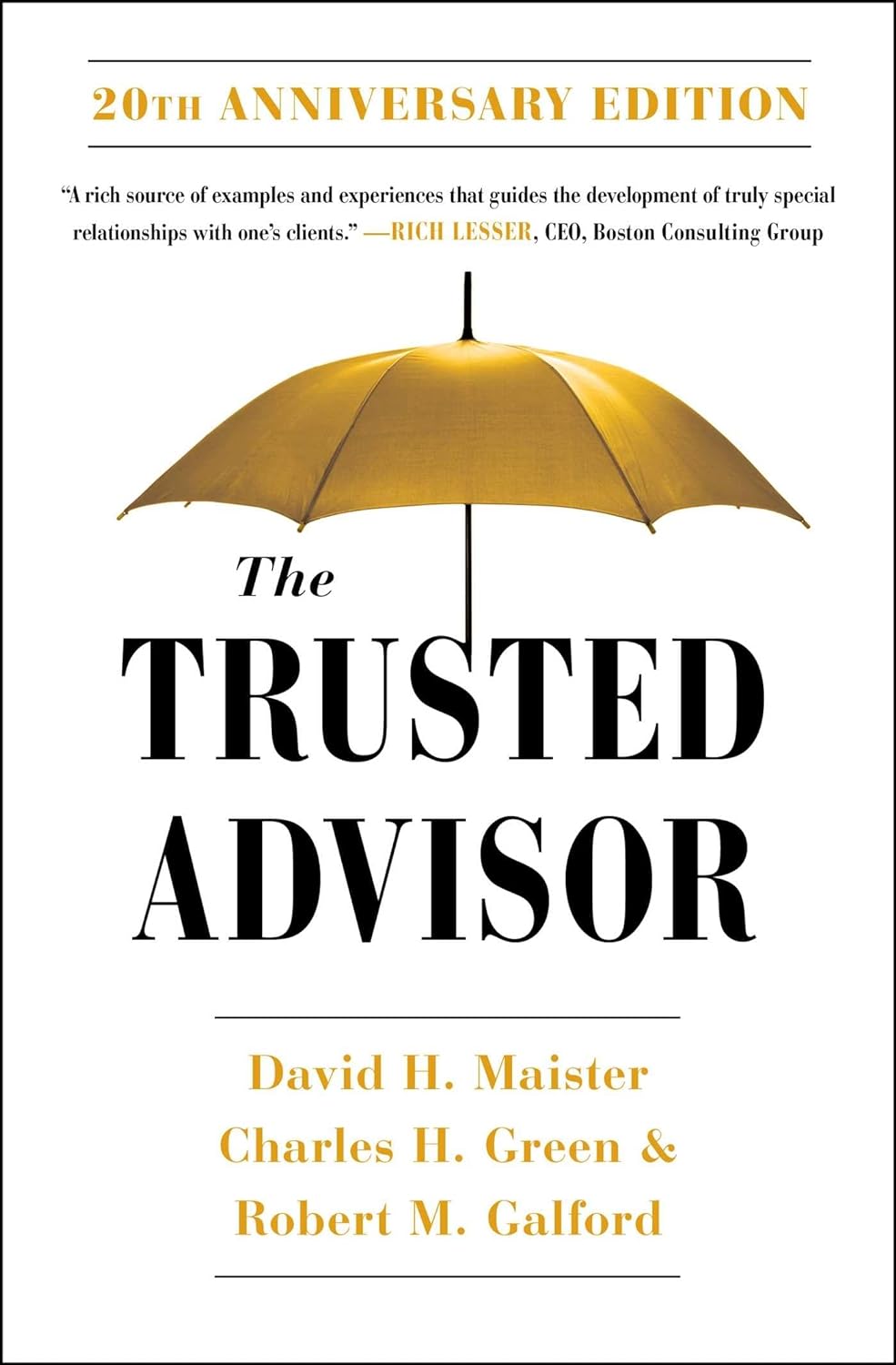
Who are your most trusted advisors? Consider the following categories as a way to begin building your list:

  • Doctors
  • Lawyer
  • Accountant
  • Banker
  • Best friend(s)
  • Family member(s)
  • News sources

How did you select these individuals or sources? How important is it that they reflect your views and values?

How long does it usually take you to determine if someone is trustworthy? What does it take for you to lose trust in people?

EXERCISE:

Consider sending me an email at barry@dempcoaching.com and I will send you my trust-o-meter handout.  If you happen to be a business professional, consider checking out the classic book The Trusted Advisor by David H. Maister.


Explore your trustworthiness

Explore your trustworthiness. From there look for this and other similar qualities in yourself and others.

—Calm App Reflection

Image from Unsplash by KVST

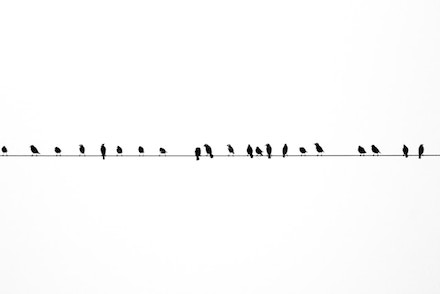
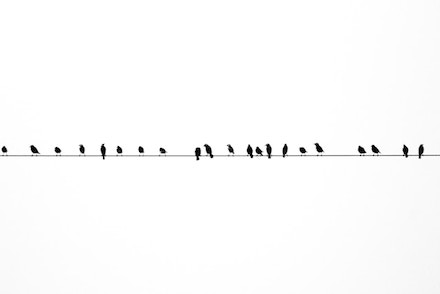
They say Birds of a Feather Flock Together. What kind of bird are you? Create a list of different birds and see what qualities come to mind when you personify their attributes.

Here is a short list to get you started:

  • An eagle
  • A flamingo
  • A penguin
  • An owl
  • A seagull
  • A swallow

EXERCISE:

What bird(s) best personify you?

What qualities do they represent, and how have you applied those qualities to attract others into your flock or tribe?