Go at it boldly, and you’ll find unexpected forces

“Go at it boldly, and you’ll find unexpected forces closing around you and coming to your aid.”

Basil King, American painter and writer
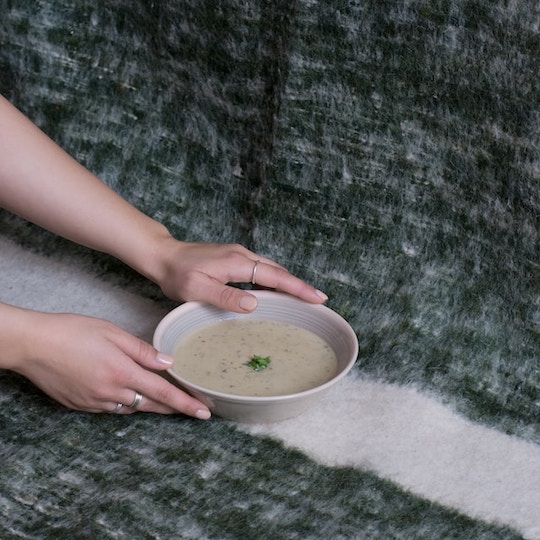
Image from Unsplash by Jametlene Reskp

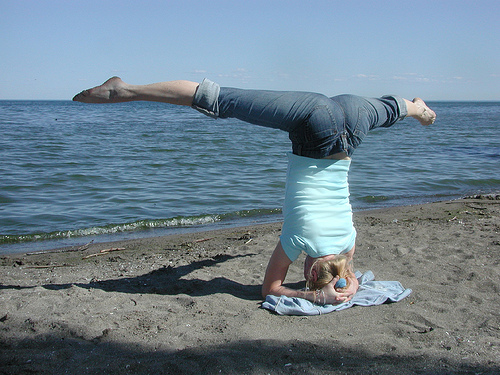
Bold action calls forth the invisible. When you move forward with conviction — before you feel “ready” —something shifts in the world around you. People appear. Opportunities surface. Momentum builds.

The timid wait for clarity; the bold create it.

Life rewards motion, not hesitation.

Courage doesn’t eliminate fear — it transforms it into fuel.

Those “unexpected forces” are faith, alignment, and the power of commitment meeting you halfway. So, stop tiptoeing toward your dreams, step into them with both feet.

The universe may just rush in to meet your stride.

EXERCISE:

State a specific, time-bound commitment publicly so that others know exactly what you are building or changing.

This clarity invites accountability, advice, and support from people who resonate with your direction and goals.


The bond of our common humanity is stronger

“The bond of our common humanity is stronger than the divisiveness or our fears and prejudices.”

Jimmy Carter, 39th President of the United States

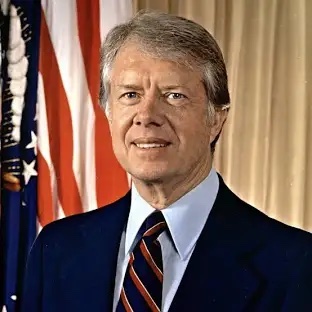
Image from whitehouse.gov

Jimmy Carter is known for his commitment and efforts to enhance human rights at home and throughout the world. He was awarded the Nobel Peace Prize in 2002 for his diplomacy and promoting peace through the Carter Center.

At the age of 100, his life stands as a powerful legacy of extraordinary contributions to global welfare, inspiring others to engage in a wide range of humanitarian work.

EXERCISE:

In what ways does your attitude and efforts support the bonds of our common humanity? How do and can you partner with others in your communities to create a more peaceful and unified world for everyone?

“A firm commitment to do something today will always best an exuberant promise to act tomorrow.”

“A firm commitment to do something today will always best an exuberant promise to act tomorrow.”

Stephen St. Amant, author of Savenwood Blog

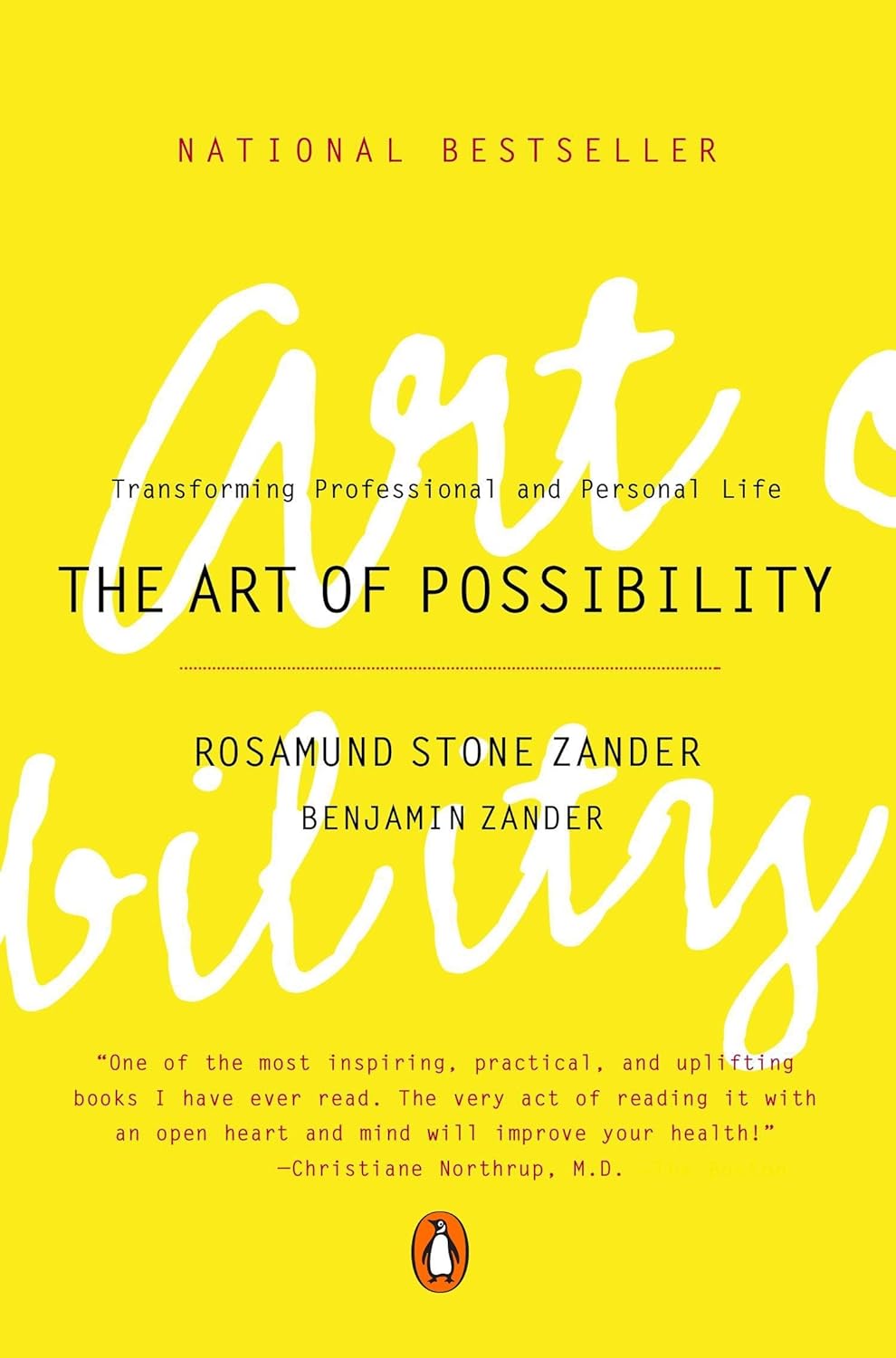
Image from Amazon

Most of us enter our days with good intentions. We have much to do and we set out to be highly productive, serve others, and leave things better than how we found them.

Benjamin Zender, who co-authored The Art of Possibility, uses an exercise with his musical prodigies when they work with him.

Since virtually everyone he works with has first chair talent, he asks them to write an essay titled How I Got My “A”.   Through this exercise, students focused on their own efforts and the actions they took, rather than their hopeful efforts and intent. The element of comparing their own efforts against themselves versus others also let them set their own bar of excellence.

EXERCISE:

What promises do you make to yourself and others that sometimes fall by the wayside?

What commitments will you keep today to deserve the “A” you desire?

Consider reading The Art of Possibility to discover more nuggets of wisdom to achieve and be your very best!

“Individual willpower is a shallow container from which to draw energy.”

“Individual willpower is a shallow container from which to draw energy.”

Omar Brownson, co-host of the Gratitude Blooming Podcast

Image from Unsplash by Dose Juice

Most of you know that I am a morning person. It’s the time of day when I have the greatest energy and discipline. On most days I meditate, exercise, and eat my oatmeal on the run before I dash into my schedule.

As the day progresses, I use snacks and a few doses of caffeine to keep up the pace. Lunchtime is often a quick affair, with only modestly healthy choices if I neglect to have something prepared.

By three in the afternoon, I’m pretty pooped and most of my disciplined efforts are nowhere to be found. Happily, an occasional power nap sets things right and I’m good until 10:00 p.m., when I head to bed to fully recharge for the next day.

EXERCISE:

When do you have the greatest energy and discipline in your days? How can and do you apply this awareness to accomplish your highest priorities and commitments?

Friday Review: Commitment

Friday Review: Commitment

How committed are you to your commitments? Here are a few related posts you may have missed.


“Stay committed to your decisions but stay flexible in your approach.”


“Apologizing doesn’t always mean you’re wrong, and the other person is right. It means you value your relationship more than your ego.”


“When we do what we have to do we are compliant. When we do what we choose to do we are committed.”


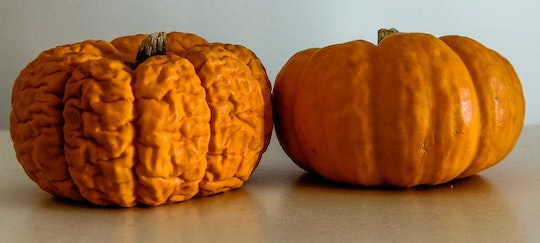
I say yes when I mean no and the wrinkle grows.

“I say yes when I mean no and the wrinkle grows.”

—Naomi Shihab Nye, American poet, songwriter, and novelist

Image from Unsplash by philippe collard

Depending on when you are reading today’s quote, try these mental exercises:

If you read it early in your day, examine the activities in your schedule related to both your professional and personal commitments. How many have you agreed to out of obligation or to not hurt others feeling? What is the cost to your vitality and well-being for betraying or going against your natural desires and instincts?

If you read it later in the day, take a moment to reflect on the many times you said “yes” when your inner voice was whispering or screaming “NO!”? How fatigued or wrinkled do you feel and look at the end of the day having handed over many hours to others to get along and keep the peace?

EXERCISE:

Examine your days carefully through the lenses of the words MORE, LESS, START, and STOP.  Do your best today to save your yeses for the MORES and STARTS and voice your no’s toward the LESS’s and STOPs on your list.  Hopefully you develop only good wrinkles from the smiles that will result.

A brain dump may be just what the doctor ordered

A brain dump may be just what the doctor ordered.

—Barry Demp

Image from Unsplash by XPS

How we carry our load of responsibilities when we are overwhelmed is very important to keeping our balance and not being crushed by the weight of things.

Breaking things down into smaller bites can help us to tackle even big challenges.

Steps I’ve found helpful include:

  1. Write down everything on your personal and professional To Do lists. This may take many sheets of paper. Keep asking “what else?” until you get it all.
  2. Estimate how many minutes each activity will take to complete.
  3. Prioritize the items that are both highly important and highly urgent. Be rigorous here, and consider discussing this list with others.
  4. Using your calendar, insert enough priority items to offer you a doable level of challenge, based on the time available.
  5. Share your intentions and plans with key individuals to establish agreed upon expectations, and to avoid upsets.

EXERCISE:

Schedule 15-60 minutes today to dump your brain and go through the steps above.
Be prepared to have this process take a number of days until you make this exercise a habit.
Share this exercise with a colleague, friend, family member, or a coach, to help you regain you momentum and the traction you desire.

“Be your own compass.”

“Be your own compass.”

—Author Unknown

Image from Unsplash by AbsolutVision

To what degree have you felt lost over the past several months?

Where did you once have clarity in your life, and to what extent do things now seem to be foggy?

Now is the time to be your own compass, to verify your “True North” and set forth with more confidence and commitment.

What are the values, beliefs, and priorities that generate the magnetic field within you, keeping you on course regardless of small or mountainous issues along the way?

EXERCISE:

How do you know when you are on the right path?

What personal or professional adjustments will you make today to better follow your own inner compass?

“Hope is like the sun, which, as we journey toward it, casts the shadow of our burden behind us.”

“Hope is like the sun, which, as we journey toward it, casts the shadow of our burden behind us.”

—Samuel Smiles, 19th Century Scottish government reformer

Image from Unsplash by Martino Pietropoli

Given our turbulent times, it is clearer than ever that hope is not a good strategy to right our world.

Wishful thinking and turning a blind eye to the objective truth has delayed the full mobilization of our world to come together as one.

Hope is, however, very powerful in that it can and will inspire our individual and collective efforts to cast the shadows of our challenges behind us.

EXERCISE:

How and in what ways can and will you mobilize your most hopeful energies and committed actions as we journey together to better our world?