#93: “The ultimate test of a man’s conscience may be his willingness to sacrifice something today…”

“The ultimate test of a man’s conscience may be his willingness to sacrifice something today for future generations whose words of thanks will not be heard.”

—Gaylord Nelson, co-founder of Earth Day

Image from Unsplash by Jason Buscema

I once saw a behavioral experiment, conducted with small children around the age of three or four years old. The experiment involved marshmallows. The child could have a single marshmallow immediately, or they could wait five minutes longer and be rewarded with two marshmallows.

Some of the children simply gobbled the one immediately. However, the children who were able to delay their gratification seemed far happier with their accomplishment.

Exercise:

What sacrifices are you willing to make today to help yourself and others have a far better future — even if you may never receive thanks or the rewards directly?

What would you like your legacy to be?
Examine the contents, not the bottle

“Examine the contents, not the bottle.”

—The Talmud, the central text of mainstream Judaism

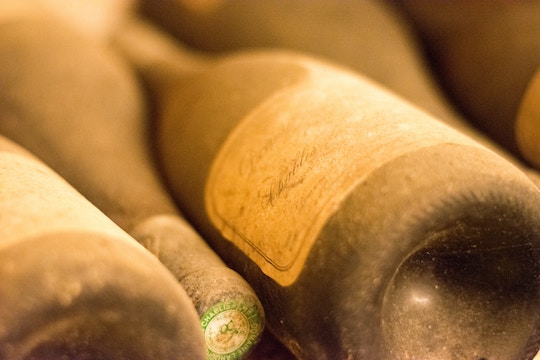
Image of dusty wine bottles

Photo by Marco Mornati on Unsplash

We all know the adages, “Don’t judge a book by its cover,” and “Discover the beauty within.”

It is so much easier, though, to use first impressions to make quick decisions – and rarely do we ever get the full story. When this happens in our interactions with other people, we refer to these as shallow or superficial relationships.

Only when we look deeper can we fully grasp the full value and the potential that lies within others.

Exercise:

How would taking the time to examine the contents of another person’s character lead you to a more fulfilling life?

With whom in your worlds have you only scratched the surface?

The bad news is time flies

“The bad news is time flies. The good news is you’re the pilot.”

– Michael Altshuler, motivational speaker

Image of a Pilot in front of his plane

Photo by Kora Xian on Unsplash

I recently attended a coaching conference where a speaker, Jim Selman, shared his work on the topic of aging. I was surprised to see just how significant and universal the subject was for the majority of conference participants – including myself.

What does it mean to age well? What has many of us pursue the fountain of youth, through everything from plastic surgery to the next wonder drug?

How can we transform our views on aging, to impact our lives in the areas of health, happiness, self-expression, meaningful relationships, and the overall desire for purpose?

Exercise:

How will you pilot your life, given your answer to the question above, to make the most of the precious time that you have?

The Seeds You Plant

“Don’t judge each day by the harvest you reap but by the seeds you plant.”

– Robert Louis Stevenson, Scottish novelist and poet

image from Flickr by Andrew Shieh

image from Flickr by Andrew Shieh

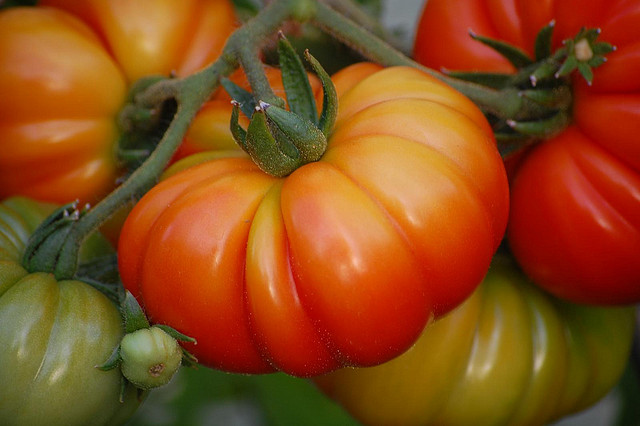
Harvest time is only a small part of the growing season. My wife and I grew tomatoes last summer, and really enjoyed harvesting them at the end of August.

The process of growing them, though, was a bit more involved and time consuming than we expected. It included purchasing seeds, preparing the soil, watering, providing sunlight, adding plant food, watering, adding more plant food, more watering… you get the idea!

Exercise:

What seeds can you plant today? What care and attention will they need daily, so that you can have a successful harvest in the future?

Make sure you enjoy the process of gardening and not just the sweet fruits of life.


Is the juice worth the squeezing

“Is the juice worth squeezing?”

– folk Proverb

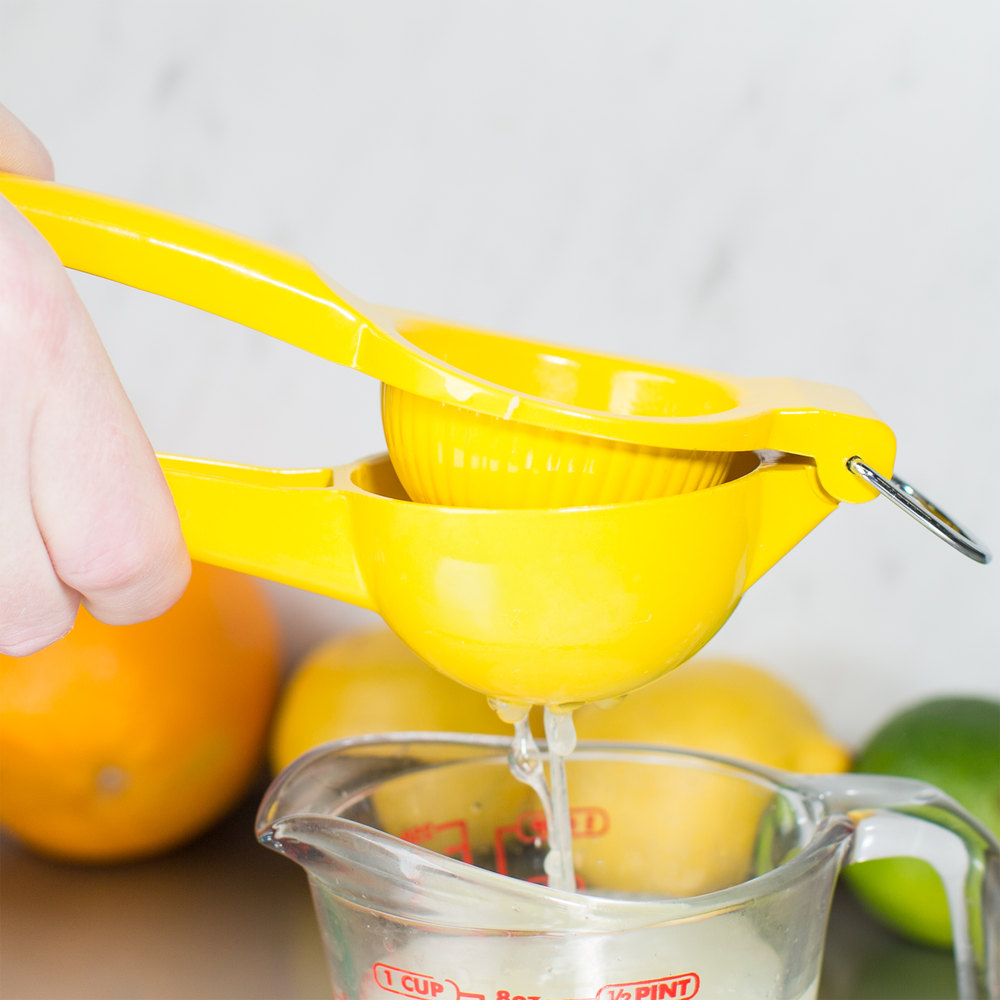
Image from webstaurantstore.com

When she was a child, my mother lived in an apartment above the fruit store her father managed. She would sometimes help him polish the apples and display the fruit as engagingly as possible to attract customers.

Have you ever bitten into a shiny apple, only to find out that what was inside was mushy? You would never use such apples for juice.

Exercise:

Look at your own life as a fruit basket of people and experiences. Where are you putting your efforts? Is the juice of your life worth the squeezing?


be true to yourself

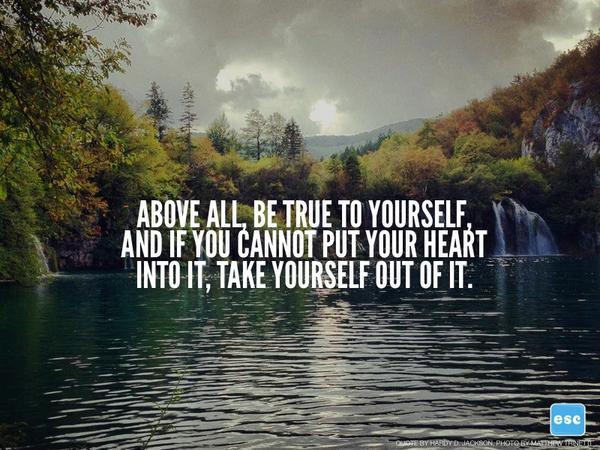
“Above all, be true to yourself, and if you cannot put your heart in it, take yourself out of it.”

– Hardy D. Jackson

Image from imgion.com

Image from imgion.com

Have you ever felt disconnected and off your game? How does this feeling differ from being in the zone and experiencing flow?

What if you had the ability to shift from disconnect to flow, and stay there for longer periods of time?

Exercise:

Create a list of your fundamental guiding principles for living. Google this subject to see what others have written, and collect the seven to twelve principles that resonate best for you. Display these principles in multiple places in your life, as a reminder of what is in your heart.

If you are presented with an experience or situation that does not fit with these beliefs, take yourself out of it.


Autumn is a second spring where every leaf is a flower

“Autumn is a second spring where every leaf is a flower.”

—Albert Camus, 20th Century French Philosopher

Image of bright autumn leaves

Image from Unsplash be Val Vesa

Our society embraces youth, beauty, and vitality. These qualities seem to coincide with the spring and summer, where new growth begins and we bloom into our fullness.

As we age, we enter the autumn of our lives. I embrace the metaphor of leaves, in all their wondrous colors, being a second spring. With aging and life experience, we can discover new forms of inner beauty and wisdom.

Exercise:

How can you embrace every moment and every season of your life?

What beauty can you find in where you are and who you have become?

Follow Your Heart

“When at a conflict between mind and heart, always follow your heart.”

– Swami Vivekananda, Hindu monk

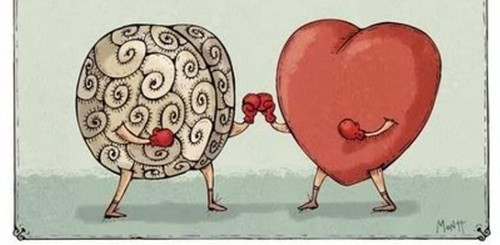
How do you make decisions? Do you come to them through logic, or check in with your gut? Do they make sense or do they feel right? Are you a head or heart decider?

Many people use both, and enjoy knowing that something is consistent with their core values as well as meeting the criteria of logic and critical thinking.

What if these two types of thinking are in conflict? How often have you been faced with such a conflict in your personal or professional life, and how successful have you been in making such decisions?

Exercise:

Where could increasing your emphasis on your heart’s decisions increase your success and satisfaction?


Nothing happens unless first a dream

“Nothing happens unless first a dream.”

– Carl Sandburg, 20th Century Pulitzer Prize-winning Poet

Close up image of a blue eye

Image from Unsplash by Daniil Kuželev

A dream, a vision, a goal, an objective: Words that convey a view of the future. When we envision the future, a magical attractive power begins to pull us towards its realization.

Without this first thought of what we want to see, we are left exactly where we are – with something neither good nor bad unless we make it so. However, the moment we think about, imagine, and envision a future, we find the ability to reach our destiny.

Exercise:

What are your personal and professional dreams?
How can you exercise your personal and professional capacity to envision your future, and use this capacity to enhance your world?

You cannot talk your way out of something you behaved yourself into.”

“You cannot talk your way out of something you behaved yourself into.”

—Stephen Covey, self-help author

Image from Unsplash by Roman Melnychuk

Actions speak louder than words. They are all we really have to make our dreams of a better future become our reality.

Consider a business leader who consistently touts his core values and corporate vision, yet is seen by his colleagues to act inconsistently with these beliefs. Consider the individual who is constantly discussing his interest in health and wellness, but is often seen making unhealthy eating choices and is rarely seen engaged in physical activity.

Exercise:

Where in life can you bring greater alignment between your actions and your words?

To whom–besides yourself–will you make these promises, and what added support will be required to ensure this new level of personal accountability?