In every challenging situation in life there are lessons to be learned.

In every challenging situation in life there are lessons to be learned.

—Calm App Reflection

Image from Unsplash by Element5 Digital

Every difficult moment carries a quiet curriculum if you are willing to pause and listen.

Challenges rarely arrive with instructions, yet they consistently offer feedback about habits, beliefs, and direction.

When something feels unfair or frustrating, ask not only “why me,” but “what is this here to teach me?”

That simple shift transforms resistance into curiosity, and pain into progress. The lesson may be patience, boundaries, courage, or letting go.

Growth is rarely comfortable, but it is always available.

The more you learn, the less life has to repeat itself, and the more intentional your path becomes.

Remember, lessons ignored tend to return louder and more demanding, while lessons embraced quietly reshape who you are becoming each day.

EXERCISE:

As we age energy shifts, recovery takes longer, and strength can fluctuate.

The lesson here often points to adaption, wisdom, and sustainability.

What parts of your daily routine could you redesign to support longevity rather than intensity?

Think consistency over strain.

Friday Review: MOTIVATION

Friday Review: MOTIVATION

To what degree are you self-motivated, situation-motivated, or motivated by others? Here are a few related posts you may have missed.

“Success is no Hocus-Pocus. Success is Focus-Focus.”


“Some of the best advice we can take is the advice we offer to others. Some of the best advice we offer to others is the advice we ourselves end up ignoring.”


“Motivation has perfect attendance. It always shows up after you.”


Our best wins are born of difficulty, uncertainty, and betting on ourselves

“Our best wins are born of difficulty, uncertainty, and betting on ourselves.”

Stephen St. Amant, Author of the Savenwood Blog

Image from Unsplash by Donald Giannatti

The best personal wins are rarely comfortable.

They are born in seasons of difficulties, when the path is unclear, the outcome is uncertain, and we have no guarantee except our willingness to keep going.

Growth asks us to bet on ourselves before the evidence arrives. It happens when we choose discipline over doubt, courage over hesitation, and action above overthinking.

These moments of pressure often become moments that define us, because they reveal what we are made of.

Every meaningful breakthrough begins with a risky step into the unknown.

Trust the struggle!

It is not just resistance; it is shaping you into someone stronger, wiser, and more prepared for the rewards on the other side.

EXERCISE:

Try ending each day this week by writing down one win, one lesson, and one thing to improve the following day.

Share this exercise with others in your communities to enhance your progress and momentum to become the best version of yourself.

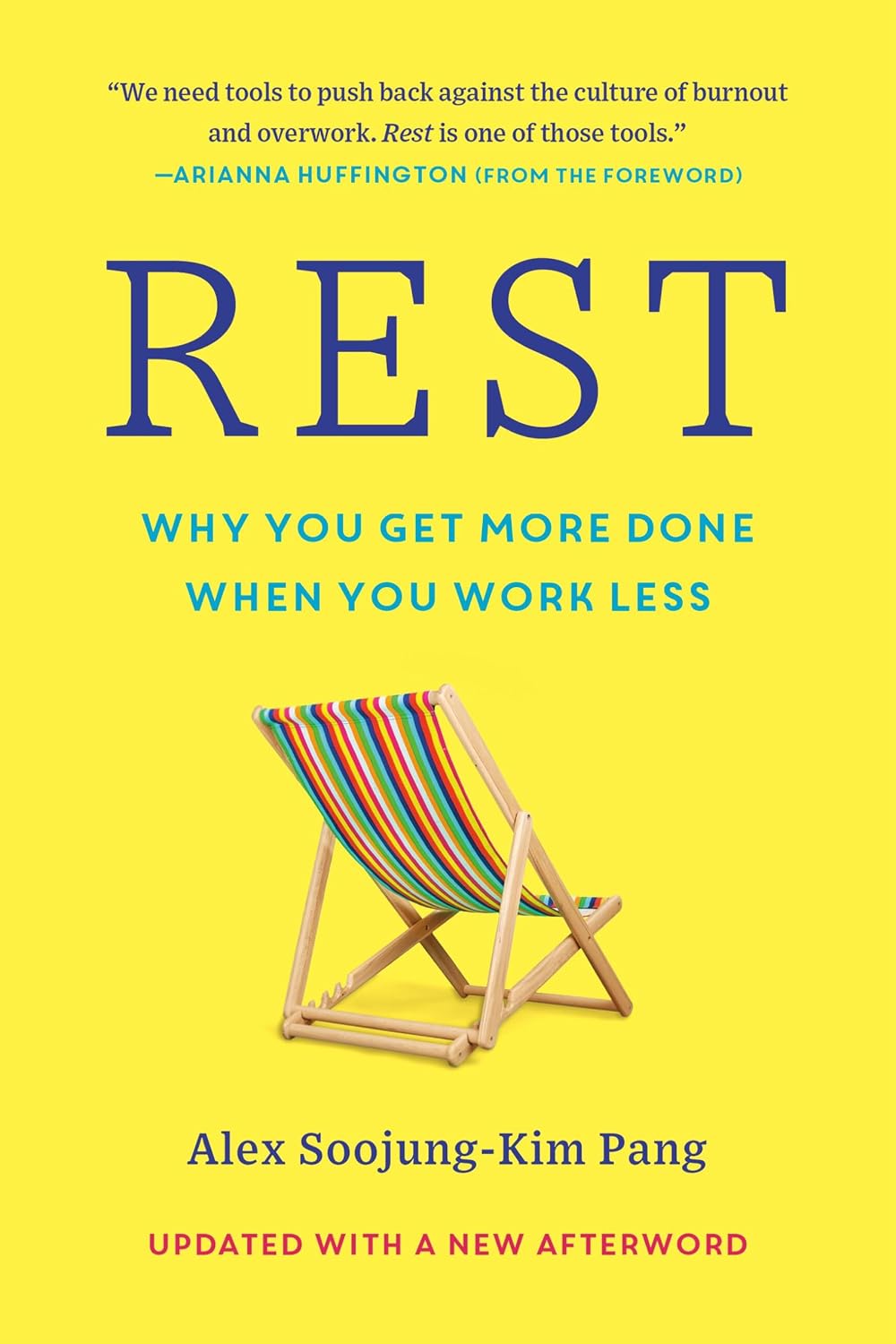
Treat rest as work’s equal and partner

“Treat rest as work’s equal and partner.”

Alex Soojung-Kim Pang, Director of Research & Programs at 4 Day Week Global

Image from Amazon

We have been taught to treat rest as a reward for demanding work—something we earn only after exhaustion. In his book Rest: Why You Get More Done When You Work Less, Pang flips that idea.

Rest is not the opposite of work—it is its partner.

High performers don’t grind endlessly. They oscillate between intense focus and deliberate recovery. Pang highlights four powerful practices: Deep work in limited bursts, genuine downtime, active rest like walking, and sufficient sleep.

When we honor rest, we think clearly, create better, and sustain energy longer. Instead of asking, “Have I done enough to deserve rest?” Ask “Have I rested enough to do my best work?”

Treat rest as essential training, not indulgence, and watch your performance and well-being rise together daily.

EXERCISE:

Check out this eight-minute productivity game animated video about Pang’s book

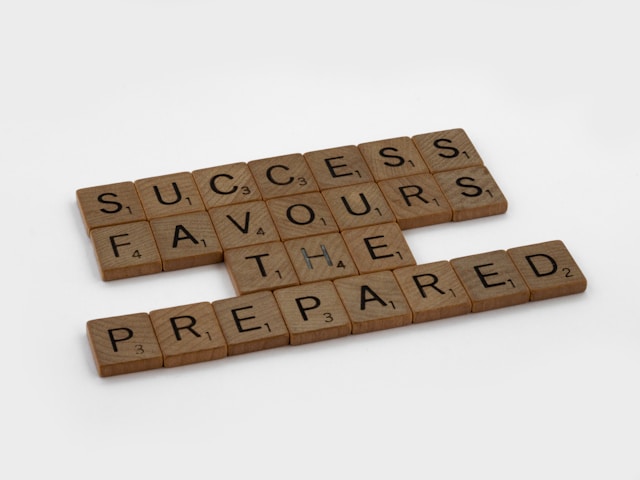
Being prepared often doesn’t mean having just enough

“Being prepared often doesn’t mean having just enough, it means having a little extra… so you’re prepared.”

Gabe Anderson, Author of the Gabe the Bass Player Blog

Image from Unsplash by Brett Jordan

Being prepared means being ready when life changes the plan.

Extra time, extra patience, extra water, extra margin in your budget, extra thought before you speak—these small reserves create calm when pressure rises.

People often confuse preparedness with perfection, but real readiness is quieter than that. It is the wise choice to leave room for surprise, delay, or need.

The extra is not a waste; it is wisdom. It’s what turns stress into steadiness and scrambling into confidence.

In the moments that matter most, having a little more than enough can become the difference between reacting and rising.

EXERCISE:

Where, in the following list, would you most benefit from having a little extra in reserve:

Time, energy, money, patience, food, water, sleep, transportation options, emotional bandwidth, margin in your schedule, forgiveness for yourself and others?

How would this extra cushion give you room to manage the unexpected events that often land on your doorstep?

When we see problems everywhere there is no room to be grateful

When we see problems everywhere there is no room to be grateful.

—Calm App Reflection

Image from Unsplash by Tim Gouw

“When we see problems everywhere, there is no room to be grateful” is a timeless whisper.

In life’s hustle, it’s easy to fixate on problems—big or small—until they cloud our entire view.

Yet, pausing to notice the good creates space for joy amid chaos.

Consider a rainy day: instead of grumbling, savor the cozy warmth of your favorite warm beverage or the earth’s fresh scent.

Gratitude isn’t denial; it’s a lens shift.

EXERCISE:

Examine this list of common problems and create a lens shift to reframe a few of them into stories of gratitude:

    • A traffic jam
    • Financial strain
    • A health issue
    • Family conflicts
    • Work stress
    • Harsh weather
    • Technology glitch
    • Rejected opportunity
    • Your aging body
    • Loneliness


Friday Review: MISTAKES

Friday Review: MISTAKES

What was the worst mistake you’ve ever made? What “mistake” turned out to be a good thing? Here are a few related posts you may have missed.

It takes a big person to acknowledge and apologize for their mistakes. Hiding them doesn’t serve anyone.


“The past is a teacher, not a judge. Your next move matters more than your last mistake.”


Take perfection off its pedestal and focus on getting good at making repairs when things go wrong or break.


Getting better at asking good questions can give you more buoyancy and help you navigate life’s uncertainties

“Getting better at asking good questions can give you more buoyancy and help you navigate life’s uncertainties.”

Sue Heatherington, Author of the Fresh Sight from the Quiet Edge blog

Image from Unsplash by Buddha Elemental 3D

We often chase better answers yet overlook a quieter skill: asking better questions.

The questions we pose shape what we see, what we try, and how we adapt.

When uncertainty rises, a sharp question acts like a buoy, keeping us from sinking into fear or confusion.

Instead of asking, “Why is this happening to me?” try, “What is this inviting me to learn or change?”

Better questions widen options, reveal patterns, and invite curiosity over judgement.

They turn problems into pathways.

Over time, this habit builds resilience and clarity. You don’t need certainty to move forward; you need direction.

And direction begins with a question that opens — not closes — your mind.

EXERCISE:

In what ways can asking better questions become anchors and give you greater buoyancy in changing waters?

Each morning, write down one guiding question for your day.

Let this question shape your decisions and influence your actions and mindset.

ging is like being enrolled in a subscription service you never signed up for

“Aging is like being enrolled in a subscription service you never signed up for…”

—Eric Barker, author of WSJ bestseller Barking Up The Wrong Tree

Full Quote: “Aging is like being enrolled in a subscription service you never signed up for, and every month they remove a feature, add a new bug, and raise the price.”


Image from Unsplash by Malin K.

Ever feel like your body signed up for a lifetime membership you don’t remember agreeing to?

Aging is that sneaky subscription service that keeps charging more while quietly removing your favorite features, like flexibility, memory, or the ability to eat pizza after 9 pm.

Each update installs new bugs: mysterious joint creaks, shrinking patience, and an expanding collection of “sensible” shoes.

You can’t cancel — the contract is eternal. So, you embrace the absurdity, laugh at the glitches, and make the best of the hidden perks: wisdom, perspective, and the confidence and courage to ignore nonsense.

In the end, aging’s premium upgrade isn’t eternal at all — it’s a sharper, more forgiving outlook.

EXERCISE:

If this post strikes a chord, consider checking out AARP Healthy Living resources. The book Healthy Aging by Andrew Weil, MD offers practical advice on diet, movement, stress, and separating fact from hype.

Reminisce about the past. Dream about the future, but live the season you’re in

“Reminisce about the past. Dream about the future, but live the season you’re in.”

Stephen St. Amant, Author of the Savenwood Blog

Image from Unsplash by Egor Komarov

Each chapter of life holds its own quiet miracles — the laughter around the table, the sunrise that greets us, the lessons tucked between routine moments.

The past shapes us.

The future calls to us.

But right now is where life breathes.

If we rush ahead or reach backward too long, we miss the sacredness of now — this heartbeat, this morning light, this chance to be fully present.

Whatever season you find yourself in — blooming, rebuilding, or resting — live it deeply. Because when we honor the present, we discover that it’s not just a season… It’s our gift.

EXERCISE:

Consider reading The Power of Now by Eckart Tolle. This classic book invites readers to step back from their overactive minds to discover a deeper, calmer awareness available at any moment.