“It is common sense to take a method and try it. If it fails, admit it frankly and try another. But above all, try something.”

“It is common sense to take a method and try it. If it fails, admit it frankly and try another. But above all, try something.”

– Franklin D. Roosevelt, 32nd President of the United States

In my coaching work with clients, I have a favorite simple technique to help them solve problems. I refer to this as a “pivot point exercise.” It involves three simple steps:

1.       Identify the current reality of a situation – what’s working and not working.
2.       Describe your vision for the future that you and others desire.
3.       Decide what new and different actions you and others can take that move you from the current reality toward your committed vision.

Exercise:

Capture this three-step pivot process on a few post-it notes and place them strategically in your home and in your place of work.

Add the word “repeat” as the fourth step to build your own self-coaching muscle to move your world forward.


“The unfed mind devours itself.”

“The unfed mind devours itself.”

—Gore Vidal, writer

Image from Unsplash

We’ve all heard the phrase “you are what you eat.” Perhaps this is also the case with our thoughts.

When we feed ourselves positive, affirming ideas and thoughts, our lives expand and become better. When we feed ourselves negative and critical thoughts – which often occur when our minds are not enriched – we tend to regress, becoming smaller and far less fulfilled.

Exercise:

If the phrase thoughts become things has some truth to it, plan your future cerebral meals carefully to include only the choicest morsels.

  • Consider purchasing a copy of John Maxwell’s Maxwell Daily Reader to chew on each day.
  • Read a passage from the Bible, Torah, Koran or another inspirational book.

Of course, please keep reading and sharing The Quotable Coach with others. I will do my best to make it worth your time!

Feel free to forward this email to friends and colleagues. If you received this from a friend, you can sign up to get future emails at www.thequotablecoach.com.

“The highest reward for a person’s toil… “

“The highest reward for a person’s toil is not what they get for it, but what they become by it.”

– John Ruskin, 19th century English artist and philanthropist

PROGRESS 1
I am a work in progress. How about you? With the wide variety of daily experiences we all have, I believe that we are constantly evolving and becoming a fuller expression of ourselves.

We all work each day to earn the compensation that allows us to care for ourselves and others. Ruskin’s quote, however, points to the less recognized and often subtle developments that accompany such experiences.

Exercise:

Explore how your daily efforts further your journey toward more fulfilling relationships, enhance creativity, expand greater self-esteem, support vibrant health, and extend your pursuit of wisdom.

How are you going beyond your basic psychological and physiological needs to pursue your own self-actualization? Consider Googling Maslow’s hierarchy of needs to explore this concept in more depth.

“Do your little bit of good wherever you are; it’s those little bits of good put together that overwhelm the world.”

“Do your little bit of good wherever you are; it’s those little bits of good put together that overwhelm the world.”

—Desmond Tutu, South African bishop and opponent of apartheid

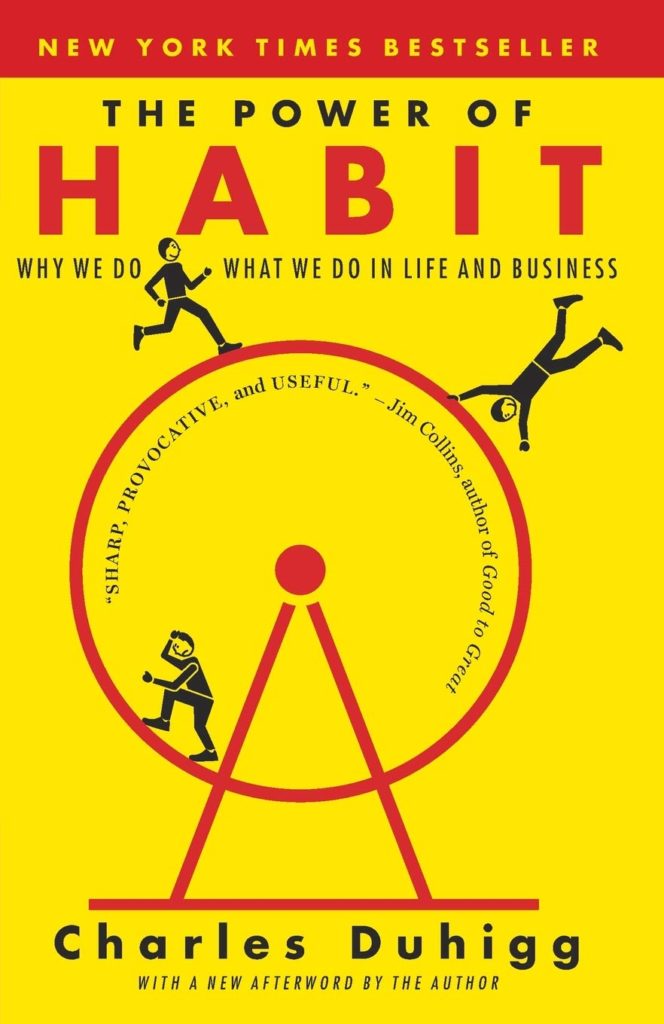
I have recently finished reading the book The Power of Habit by Charles Duhigg. One of the ideas he points out as a way to generate individual and organizational habits that lead to greater success is to focus on “small wins.”

Too often we glamorize only the big wins – you know, those “superbowl” sized accomplishments that are highlighted in the media – without recognizing all those little steps along the way.

Exercise:

Develop a “little bit of good” journal, scoreboard or notebook to capture all the ways you can and do make the world a better place.

Create a separate section to capture all the little bits of good others do for you.

Imagine the possibilities of seven billion people doing this exercise!

someday

“Someday is not a day of the week.”

– Unknown

Someone once said that hard work pays off in the future, but procrastination pays off now. This is a funny thought, and it may even be true on a limited basis. However, people who procrastinate and put things off for someday in the future often look back on their lives with regret.

When people are asked about their regrets in their lives, in their old age, they rarely regret the things they did and often regret the things that they did not do.

Exercise:

Rather than dreaming about the things you will do in the future, consider:

  • Traveling to wonderful places.
  • Starting a business or changing your career.
  • Learning a new language.
  • Becoming healthier.
  • Saving for retirement now.
  • Engaging in a new hobby.

Start or revisit your bucket list and place an actual date next to each item on the list.

Try to check one of those items off this week, if possible.

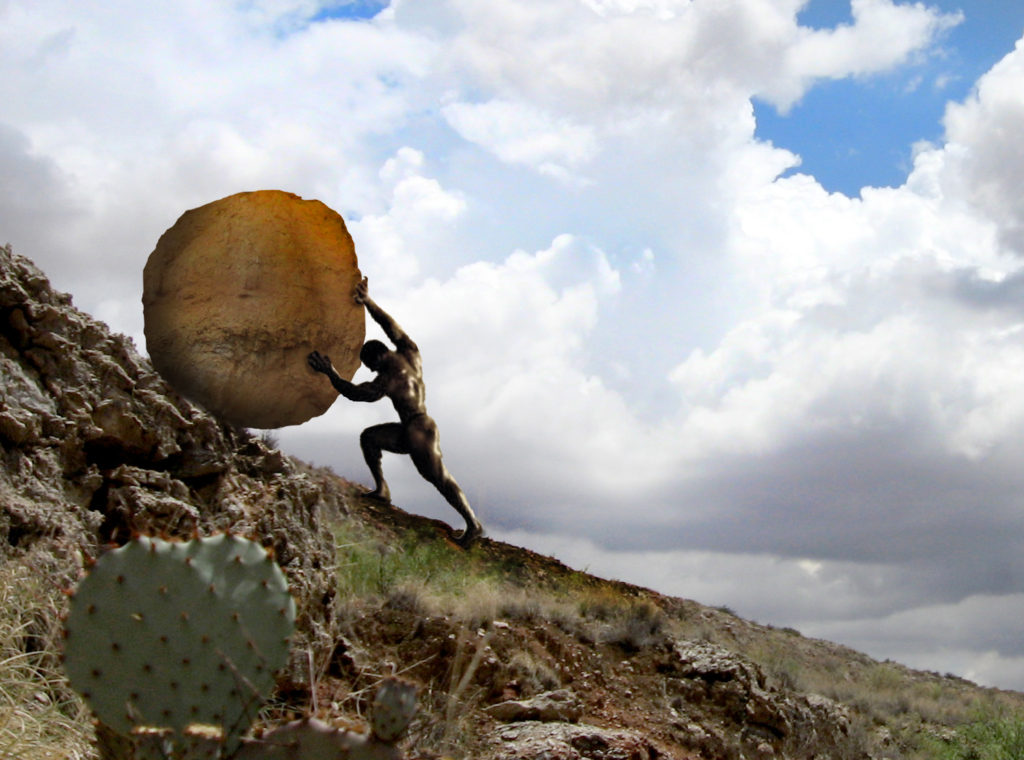
“Persistence prevails when all else fails.”

“Persistence prevails when all else fails.”

– Unknown

I believe that most people create their own luck, through the work they do day in and day out. Today’s quote suggests that persistence is a key for us to guarantee greater success and achievement.

Unfortunately, persistence almost always looks like work, and the light at the end of the tunnel often appears faint.

Exercise:

In what areas of your life does your ‘why’ make you cry, or bring you close to tears? You can bet that you have discovered a domain of your life where both persistence and the resulting rewards of your commitments will be realized.

“If you chase two rabbits, both will escape.”

“If you chase two rabbits, both will escape.”

– Author Unknown

These days, high value is placed on one’s ability to multitask to enhance productivity.

The evidence regarding the productivity gains is controversial at best, with many examples of serious downsides – just look at texting while driving a car.

There’s no question that focusing on one high-priority task at a time pays huge dividends. There’s considerable evidence that most productive people do just that, then move on the next high-priority task, thus giving the appearance of multitasking.

Exercise:

Use your calendar to break up your day into highly focused priority items, and take them on one at a time.

If another rabbit comes in sight, make sure you choose only one to chase. After all, one is far better than none.

“We are capable of greater things than we realize.”

“We are capable of greater things than we realize.”

–Norman Vincent Peale, 20th Century author of The Power of Positive Thinking

Image from Unsplash by
Paola Aguilar

Sure, we have all heard similar thoughts from our teachers, parents, colleagues and friends. We even believe them to some extent. The question to consider here is “How much more are we actually capable of that is beyond our ability to truly believe?”

If thoughts become things, what must we do with our own thoughts, opinions, judgments, mental models and yes, personal paradigms, to free us from our own limiting beliefs?

Exercise:

As you think about and create plans for the coming year, ask the following questions of yourself and of those who know you best:

  • What am I capable of through the use of my mind in the coming year?
  • What am I capable of through the development and use of my body in the coming year?
  • What new spiritual developmental opportunities will I take in the coming year?

Extra Credit:

Sign up for updates from the Dumb Little Man tips for life

better than myself

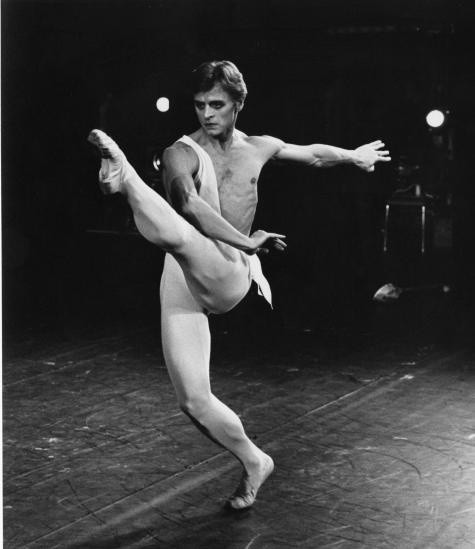
“I do not try to dance better than anyone else. I only try to dance better than myself.”

– Mikhail Baryshnikov, Russian ballet dancer

Image from awanderingjewess.com

Image from awanderingjewess.com

If you have ever seen Mikhail Baryshnikov dance, you know just how brilliant he has been over the years. If you haven’t, I suggest you Google him and check out some video clips of his mastery.

Consider that your own life is a dance, where all that is required is to keep mastering your own professional and personal steps. These steps are within your control, and they allow you to express yourself fully and authentically.

Exercise:

During this new year, what will your personal continuous improvement program include?

As you establish your goals, include the measurable results and action steps you will take. How will you turn these action steps into sustainable habits that will get you there? Just think of it as dancing your way to a better you.

Life is about choices

“Life is all about choices. How many people are trapped in their everyday habits: part numb, part frightened, part indifferent? To have a better life we must keep choosing how we’re living.”

– Albert Einstein, theoretical physicist

www.onhold.on.ca

Image from www.onhold.on.ca

As a coach, I often see individuals who are limiting their freedom to fully choose.

Which of these choices have you been fully intentional about?

• The choice of career or vocation
• The choice to be healthy and fit
• The choice of friends and associates
• The choice of how you spend your free time
• The choice of where you live, and the communities you associate with
• The choice of the thoughts and attitudes you bring to each day

Exercise:

Where are you currently trapped and limited by your everyday habits and thinking?

What new and intentional choices can you make to achieve a better life?