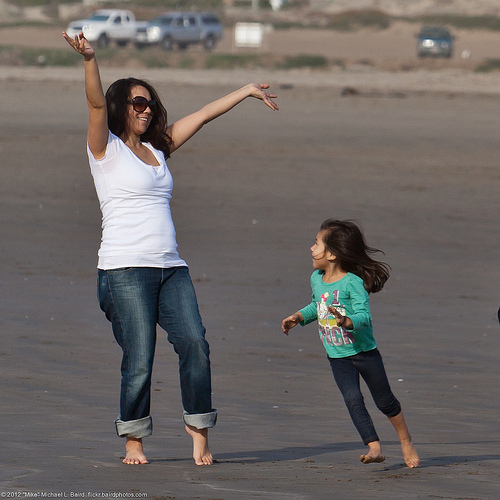
“A smile is a curve that sets everything straight.”

“A smile is a curve that sets everything straight.”

– Phyllis Diller, late American comedian

Image from Unsplash by Petr Sevcovic

I recently attended a seminar where the speaker suggested that using Google was a great idea catalyst. From my research on the importance of smiling, here are a few interesting facts I’d like to share:

Smiling…

  • Slows the heart rate and relaxes the body.
  • Releases endorphins and diminishes stress and improves our mood.
  • Must have been used by the Seven Dwarves to increase their productivity as they whistled while they worked.
  • Improves relationships by increasing trust and building empathy.
  • Makes us more appealing and attractive – yes, smiling makes us look younger.
  • Improves our immune system and lowers our blood pressure.
  • Conveys optimism and positivity that helps us be more successful.

Exercise:

How can you smile more and turn that frown upside down to improve your life and, as Phyllis Diller suggests, to set everything straight?

“A prudent question is one-half of wisdom.”

“A prudent question is one-half of wisdom.”

—Sir Francis Bacon, 15th Century English Philosopher

Image of an "ask questions" button

Image from killerinterventions

One crucial tool for most coaches, including myself, is the question. Below are some of my favorites:

  1. What results in life are essential for you to see yourself as a success?
  2. What qualities do you hope to expand or develop to be your best future self?
  3. What would you like people to say about you at the end of your life?
  4. What inspires you?
  5. What are you passionate about?

And of course… #6. What else?

Always ask “What else?” to help you layer into each question, to reach the full depth and rightness of your answers.

Exercise:

To reap the other half of wisdom, answer at least one of these questions today and others over the course of the coming week.

Share this exercise and your answers with those you care about in your personal and professional life.

Coach and support one another in living life each day consistently with your answers.

Swim With the Stream

“Only dead fish swim with the stream all the time.”

– Linda Ellerbee, journalist

Image from fifteenminutescience.com

Image from fifteenminutescience.com

We have all heard phrases such as “Go with the flow” and “Take the path of least resistance” as ways to simply and effortlessly navigate life. When we take such advice, we are almost always carried along by factors not influenced or controlled by us, and we wind up somewhere we didn’t intend.

When we chart our own course and swim against the current, we strengthen our ability to navigate our own life’s journey and realize our deepest held desires.

Exercise:

Where in your personal and professional life are you being carried downstream by someone else’s current?

What issues have you come alive, so that you use your fins to swim upstream and realize your vision?

“Great minds like a think.”

 “Great minds like a think.”

– The Economist

Image from The Economist

Image from The Economist

Based on research from the Jenkins Group, one-third of high school graduates never read another book for the rest of their lives. 42% of college graduates never read another book after college, and 80% of families did not buy or read a book last year.

Great minds, like great bodies, need exercise. Reading and thinking about new ideas is like doing cerebral sit-ups, toning our cores to have those six-pack abs we desire.

Exercise:

How will you exercise your mental muscles in the coming days, weeks, and years ahead to avoid the atrophy of the mind?

Consider taking the “use it or lose it” mental fitness challenge in Episode 10 of Brain Games, from National Geographic.

make people laugh

 “I learned that when I made people laugh, they liked me. This is a lesson I’ll never forget.”

– Art Buchwald, humorist (attributed)

Image from Flickr by Richard Foster

Image from Flickr by Richard Foster

While doing research on the subject of likeability, I came upon a list of attributes that include:

  • Being honest
  • Being humble
  • Expressing empathy
  • Being positive and optimistic
  • Being polite
  • Controlling anger and hostility
  • Being a great listener
  • And of course, having a great sense of humor

By demonstrating your sense of humor, you show a playfulness and general happiness that attracts others toward you.

Exercise:

Check out your humor level and restock it if need be. Consider humor websites, joke books, or even ask your friends and family for their best stuff.

Spreading a few more smiles around definitely pays off.

Choose yourself

“Choose yourself.”

– Seth Godin, author and entrepreneur

In recent months, I have met with numerous executives to explore next steps regarding their career advancement. Two of the most common options include advancement within their existing organization or creating an exit strategy to pursue greener pastures with another company.

Unfortunately in some cases, the entryway into the C-suite may be blocked, or the phone simply doesn’t ring with those plum assignments. In some cases, even after considerable networking and outreach efforts, they have yet to be picked for the team.

Exercise:

Take out one of your business cards and turn it over to the blank side. Write your name then the title “President” or a title of your choosing just under it.

By choosing yourself, you virtually eliminate all the current internal barriers that may be stopping you. Now all you need to do is overcome the external constraints to play your own game and make your ideal career a reality.

the highest advantage

“You can rest assured that if you devote your time and attention to the highest advantage of others, the universe will support you.”

– R. Buckminster Fuller, architect and inventor

About a year ago, I picked up a copy of Dan Sullivan’s book The Laws of Lifetime Growth. Law #3 states that we should always make our contribution bigger than our reward.

Both Fuller and Sullivan suggest that a focus on creating new kinds of value for others expands our relationship with the outside world and somehow magically attracts new rewards and opportunities to us in return.

Exercise:

Imagine that giving to others and supporting their highest advantage is like making consistent daily bank deposits, and that these investments always have a high rate of return through the magic of compound interest.

“Dream big, but allow yourself the opportunity to start small and have your share of struggles in the beginning. The world’s greatest composers weren’t writing symphonies the day they first sat at the piano.”

“Dream big, but allow yourself the opportunity to start small and have your share of struggles in the beginning. The world’s greatest composers weren’t writing symphonies the day they first sat at the piano.”

– Kevin O’Rourke, American film, stage, and television actor

O’Rourke is suggesting that we consider our life as a splendid symphony and that we are all composers.

Image from Unsplash by Paige Cody

The other day, my wife Wendy downloaded a piano app onto her iPad and began to play around with it. She began with scales and made an effort at Chopsticks. She eventually wants to play the piano that was given to her by her father many years ago as a gift when we were first married.

Exercise:

What are a few of your big dreams and goals? What small steps and potential struggles must be taken now to help you develop the mastery to compose your personal and professional symphonies?

“The first to apologize is the bravest. The first to forgive is the strongest. And the first to forget is the happiest.”

“The first to apologize is the bravest. The first to forgive is the strongest. And the first to forget is the happiest.”

—Author Unknown

Recently, I have been working with my friend and personal organizer Lisa, to help remove some clutter from my home. It is amazing the happiness I experience to see my junk drawers open easily and to enter my closet where I have only the clothing that fits me. Donating those items I was not using felt pretty good too.

When I saw this quote, it made me think of the mental and emotional clutter we often carry around with us – and how this area can often benefit from a bit of a makeover.

Exercise:

Consider picking up a copy of The Happiness Project by Gretchen Rubin, where she describes her year-long journey using a wide variety of strategies to become happier.

observation and reflection

“It’s on the strength of observation and reflection that one finds a way.”

– Claude Monet, French impressionist painter

Image of Monet Water Lillies painting

Image from The Metropolitan Museum of Art

This past summer, I had the opportunity to visit the Museum of Fine Arts in Boston, and saw some of Monet’s work. It is said that he rejected traditional approaches to landscape painting and instead of copying old masters, began learning from nature itself. He particularly took note of variations of color and light caused by daily or seasonal changes.

Exercise:

How can you find your own way to live your life and pursue your goals on your own strength of observation and reflection?

Consider checking out Daniel Pink’s A Whole New Mind, published in 2005, to exercise your right brain in what’s still a pretty left-brained world.