the highest advantage

“You can rest assured that if you devote your time and attention to the highest advantage of others, the universe will support you.”

– R. Buckminster Fuller, architect and inventor
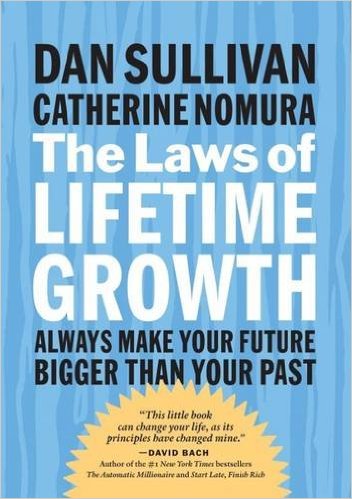
About a year ago, I picked up a copy of Dan Sullivan’s book The Laws of Lifetime Growth. Law #3 states that we should always make our contribution bigger than our reward.

Both Fuller and Sullivan suggest that a focus on creating new kinds of value for others expands our relationship with the outside world and somehow magically attracts new rewards and opportunities to us in return.

Exercise:

Imagine that giving to others and supporting their highest advantage is like making consistent daily bank deposits, and that these investments always have a high rate of return through the magic of compound interest.

“Dream big, but allow yourself the opportunity to start small and have your share of struggles in the beginning. The world’s greatest composers weren’t writing symphonies the day they first sat at the piano.”

“Dream big, but allow yourself the opportunity to start small and have your share of struggles in the beginning. The world’s greatest composers weren’t writing symphonies the day they first sat at the piano.”

– Kevin O’Rourke, American film, stage, and television actor

O’Rourke is suggesting that we consider our life as a splendid symphony and that we are all composers.

Image from Unsplash by Paige Cody

The other day, my wife Wendy downloaded a piano app onto her iPad and began to play around with it. She began with scales and made an effort at Chopsticks. She eventually wants to play the piano that was given to her by her father many years ago as a gift when we were first married.

Exercise:

What are a few of your big dreams and goals? What small steps and potential struggles must be taken now to help you develop the mastery to compose your personal and professional symphonies?

“The first to apologize is the bravest. The first to forgive is the strongest. And the first to forget is the happiest.”

“The first to apologize is the bravest. The first to forgive is the strongest. And the first to forget is the happiest.”

—Author Unknown

Recently, I have been working with my friend and personal organizer Lisa, to help remove some clutter from my home. It is amazing the happiness I experience to see my junk drawers open easily and to enter my closet where I have only the clothing that fits me. Donating those items I was not using felt pretty good too.

When I saw this quote, it made me think of the mental and emotional clutter we often carry around with us – and how this area can often benefit from a bit of a makeover.

Exercise:

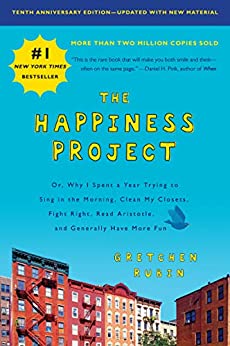
Consider picking up a copy of The Happiness Project by Gretchen Rubin, where she describes her year-long journey using a wide variety of strategies to become happier.

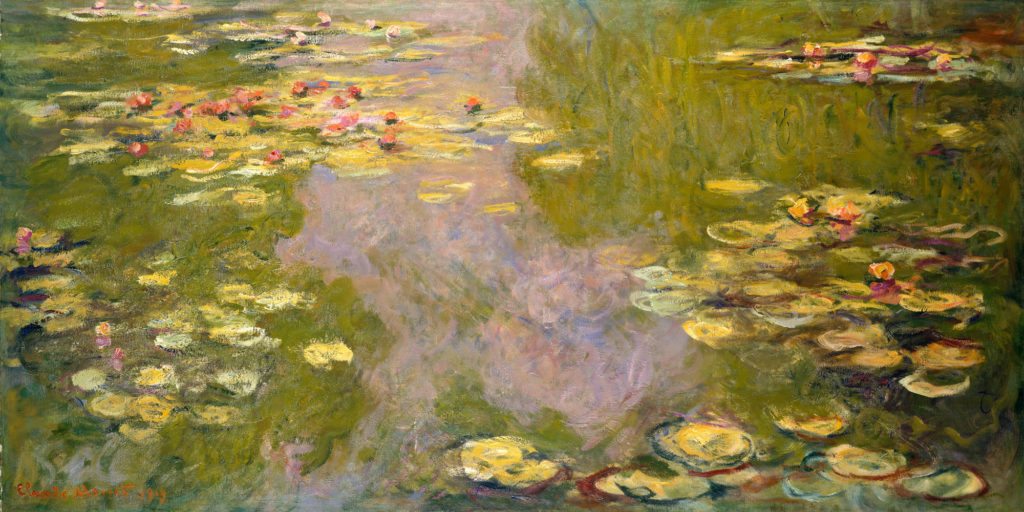
observation and reflection

“It’s on the strength of observation and reflection that one finds a way.”

– Claude Monet, French impressionist painter

Image of Monet Water Lillies painting

Image from The Metropolitan Museum of Art

This past summer, I had the opportunity to visit the Museum of Fine Arts in Boston, and saw some of Monet’s work. It is said that he rejected traditional approaches to landscape painting and instead of copying old masters, began learning from nature itself. He particularly took note of variations of color and light caused by daily or seasonal changes.

Exercise:

How can you find your own way to live your life and pursue your goals on your own strength of observation and reflection?

Consider checking out Daniel Pink’s A Whole New Mind, published in 2005, to exercise your right brain in what’s still a pretty left-brained world.

“At the end of each day, you should play back the tapes of your performance. The results should either applaud you or prod you.”

“At the end of each day, you should play back the tapes of your performance. The results should either applaud you or prod you.”

– Jim Rohn, entrepreneur, author, and motivational speaker

The gift of feedback from others, and the insights gained through self-reflection, are critical to coaching success. Without them, as Rohn notes, we are not sure if we are to celebrate our efforts or double-down to try something new on our next attempt.

Exercise:

Ask yourself the following questions at the end of your day, regarding your efforts in your personal and professional life:

1. What worked well that pleased you, and how can you build on that success tomorrow?
2. What did not work out today as you expected, and what new and different actions can you take tomorrow that would bring you the results you desire?

Consider asking these questions for a week and see if the habit of a daily playback improves your performance.

be prepared for opportunity

“It is better to be prepared for an opportunity and not have one than to have one and not be prepared.”

– Whitney Young, Jr., American Civil Rights Leader

Image of Boy Scout Logo

When I was young, I was a Boy Scout – you know, that organization that teaches young folks to “be prepared.” Although I never achieved the rank of Eagle Scout, this motto has remained with me all these years.

People today may tease or ridicule us for being a Boy Scout – for the plans we make, the lists we create, and the forethought we give to projects and areas of importance. For me, being a bit of a Boy Scout has worked out pretty well.

Exercise:

Look at your own efforts to be prepared for those important opportunities you may know about – and perhaps others not currently on your radar.

Determine what additional or modified Boy Scout habits would help you make the most of the opportunities life presents.

Unfounded Worry

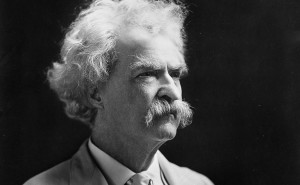
“I have lived a long life and had many troubles, most of which never happened.”

– Mark Twain, author and humorist

marktwain_cc_img_0

Do you know someone who worries a lot? These individuals are often people who experience considerable fear throughout their life. Perhaps you are one of them.

Twain points to the fact that many of these fears and worries are unfounded – and yet they can limit our enjoyment of life.

Exercise:

When you or someone you know is experiencing worry or fear, ask these questions:

1. What is the likelihood that this thing I’m afraid of will actually happen?
2. What if I am successful?
3. Who can help me resolve this issue?
4. What one step can I take to improve the situation?
5. What, realistically and objectively, is the worst that could happen?
6. How would I cope with it if it did happen?
7. What can I do to minimize the danger of …?

Lastly, try breathing deeply. This technique has a magical way of lightening the load of worry.

What becomes fragile when we age

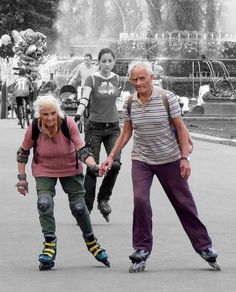
“What becomes fragile when we age is not our bodies as much as our egos. The best time to take some daring steps is when we get older.”

– Helen Hayes, actress

Image of seniors rollerblading

Prospective clients often ask me: Who are your coaches? Who supports you in living your best life?

Over the years, a number of key people who have supported me. The best and most enduring has been my 86-year-old father, Marvin. For over 56 years, he has been a steadfast supporter.

This past year, following the passing of my mom, my dad and I, along with my wonderful wife Wendy, engaged in what was, for us, some adventures:

  • A ride in a hot air balloon.
  • A safari in Disney World’s Animal Kingdom.
  • A high-speed adventure on the Test Track ride at Disney World.
  • A trip to the top of Mount Washington, the highest peak on the East Coast, on the famous Cog Railroad.
  • A canoe ride down the Delaware River.

Exercise:

Regardless of your age, how can you find a bit more daring and adventure to spice up your life, and engage others you care about in the journey?

Feel free to reply to this message with some of your own efforts to step out of your aging ego.

“How far you go in life

“How far you go in life depends on your being tender with the young, compassionate with the aged, sympathetic with the striving, and tolerant of the weak and strong. Because some day in your life you will have been all of these.”

– George Washington Carver, scientist and inventor

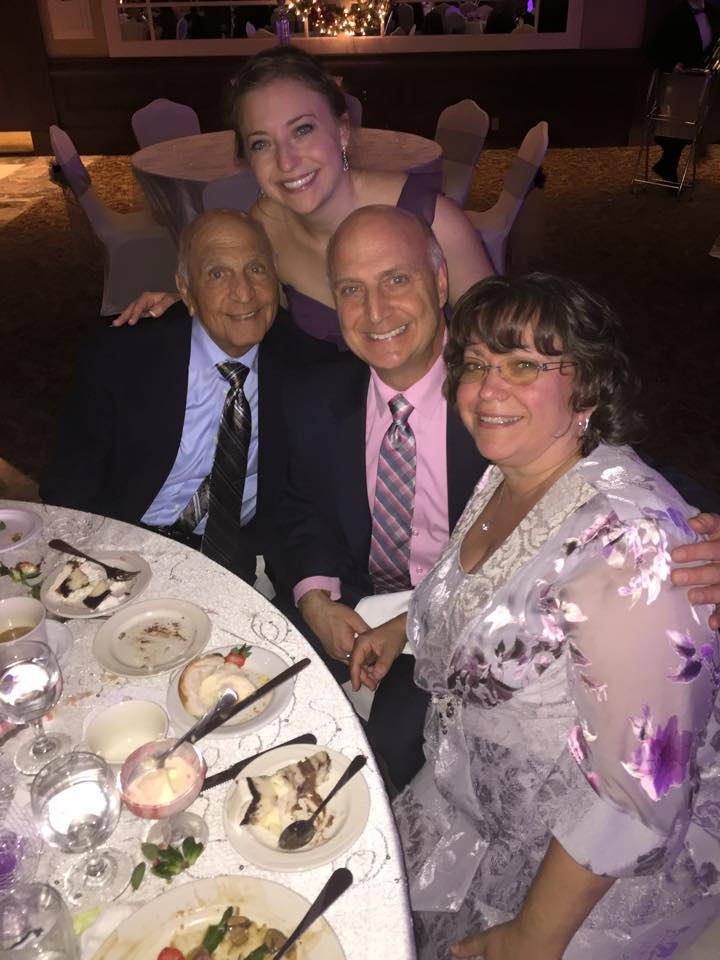
three generation photo

My father, daughter, self, and wife Wendy

At my current age, I find myself often reflecting on my life and on those around me. I consider myself fortunate to be aware of myself and my world as I support others through coaching.

In the past few months, I’ve interacted with babies, seen young teens celebrate their B’nai Mitzvah, celebrated my son’s marriage, partnered with many middle-aged individuals in a variety of professional and personal challenges, and partnered with my wonderful wife in supporting my aging father.

Exercise:

What stage of life do you find yourself in, and how can you partner with those around you to appreciate and generously contribute to all the people you meet along the way?

Everything Begins Today

“Today is when everything that’s going to happen from now on begins.”

– Harvey Firestone Jr., businessman

Image from Pinterest

Image from Pinterest

A considerable number of people who enter into a coaching relationship have a “governor” on their life and career engine that seems to be limiting them from moving forward at the speed they desire.

Their trips down memory lane regarding past accomplishments and setbacks often limit what they’re willing to do at this moment in time.

Exercise:

To minimize these journeys into the past, which may limit your orientation for forward movement, consider creating a number of Post-it notes with the following question. Place them throughout your personal and professional environments.

What is the most important thing I can do at this very moment?

Repeat this question often, to do what you can from where you are.

Thank you for being part of The Quotable Coach. Remember, you can hit “reply” on my emails at any time to let me know your thoughts and suggestions.